Using Augmented Reality to Deepen Student Understanding"
19 March 2026
Everyone loves a good story—especially when it's immersive, interactive, and practically leaps off the page. What if learning could feel the same way? Well, welcome to the world of augmented reality (AR) in education. AR is not just another tech buzzword—it's a game-changer, especially when it comes to helping students truly grasp complex concepts.
Think about it. Instead of reading about the solar system in a textbook, students can hold up a tablet and see the planets rotating in 3D right in their classroom. That's not just cool; it's powerful. It’s a way of learning that sticks.
In this article, let’s dive deep into how AR is reshaping education and making understanding more attainable, more engaging, and, let’s be honest, way more fun.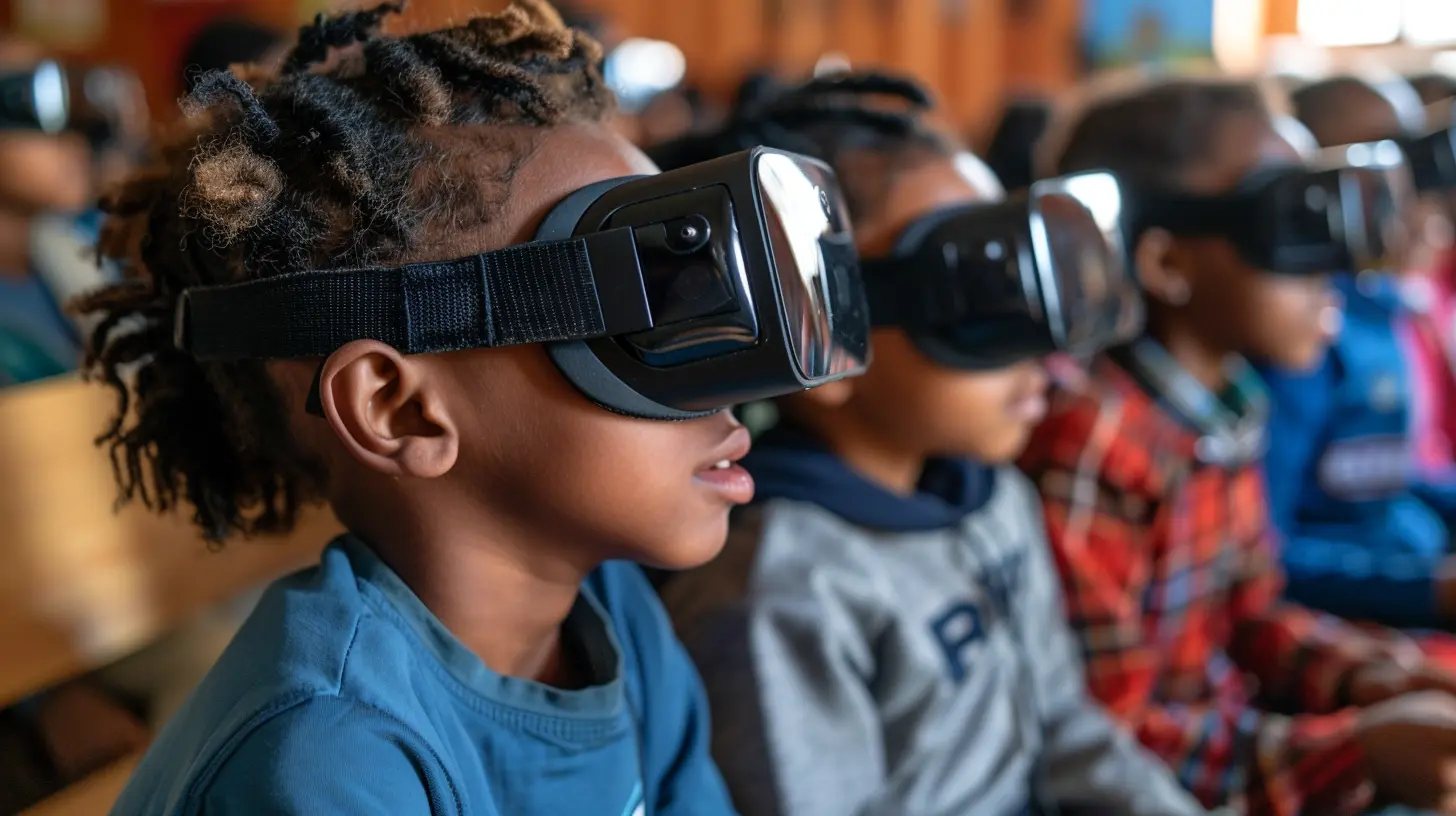
What is Augmented Reality, Anyway?
Before we geek out on its educational perks, let’s be clear about what AR actually is. Simply put, augmented reality is technology that overlays digital information—like images, sounds, or 3D models—onto the real world.Remember Pokémon Go? That’s AR in action. You look through your phone and see Pikachu chilling on your sidewalk. Now imagine replacing Pikachu with a beating heart or a historical battle scene. That’s the magic of AR in the classroom.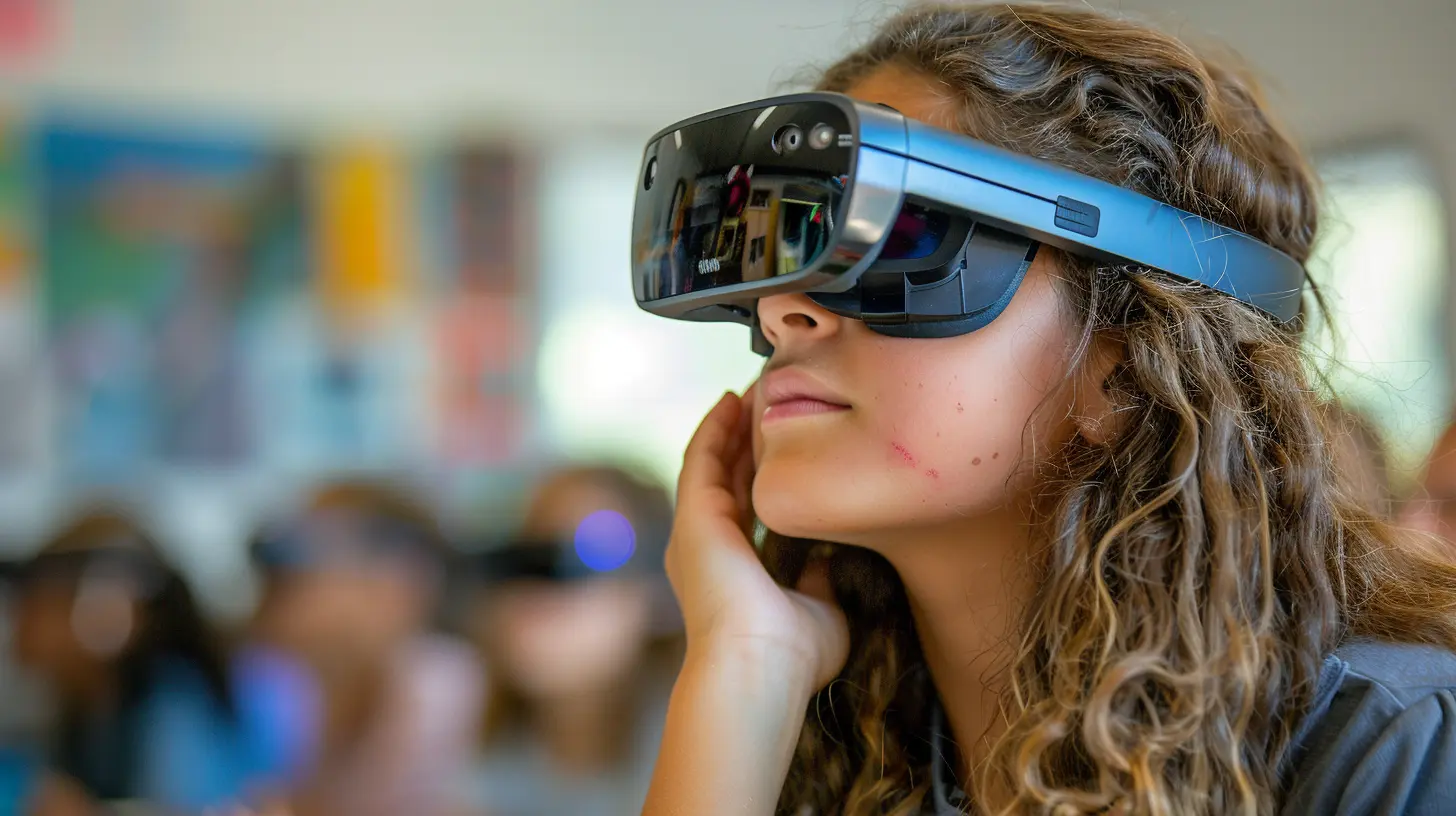
Why Does AR Work So Well for Learning?
Ever tried explaining photosynthesis to a 10-year-old? Yeah, it can be tough. Now, imagine showing them a virtual animation of how sunlight, water, and carbon dioxide work together inside plant leaves. Suddenly that confusing process becomes crystal clear.AR taps into how we naturally learn best—by seeing and doing:
- Visual Learning: Most of us are visual learners. AR adds a visual dimension that textbooks just can’t match.
- Kinesthetic Interaction: Students can interact with digital objects like 3D molecules or working engines. It's almost like holding knowledge in your hands.
- Emotional Engagement: AR is exciting—and let’s be real, when students are excited, they pay attention. And when they pay attention, they remember.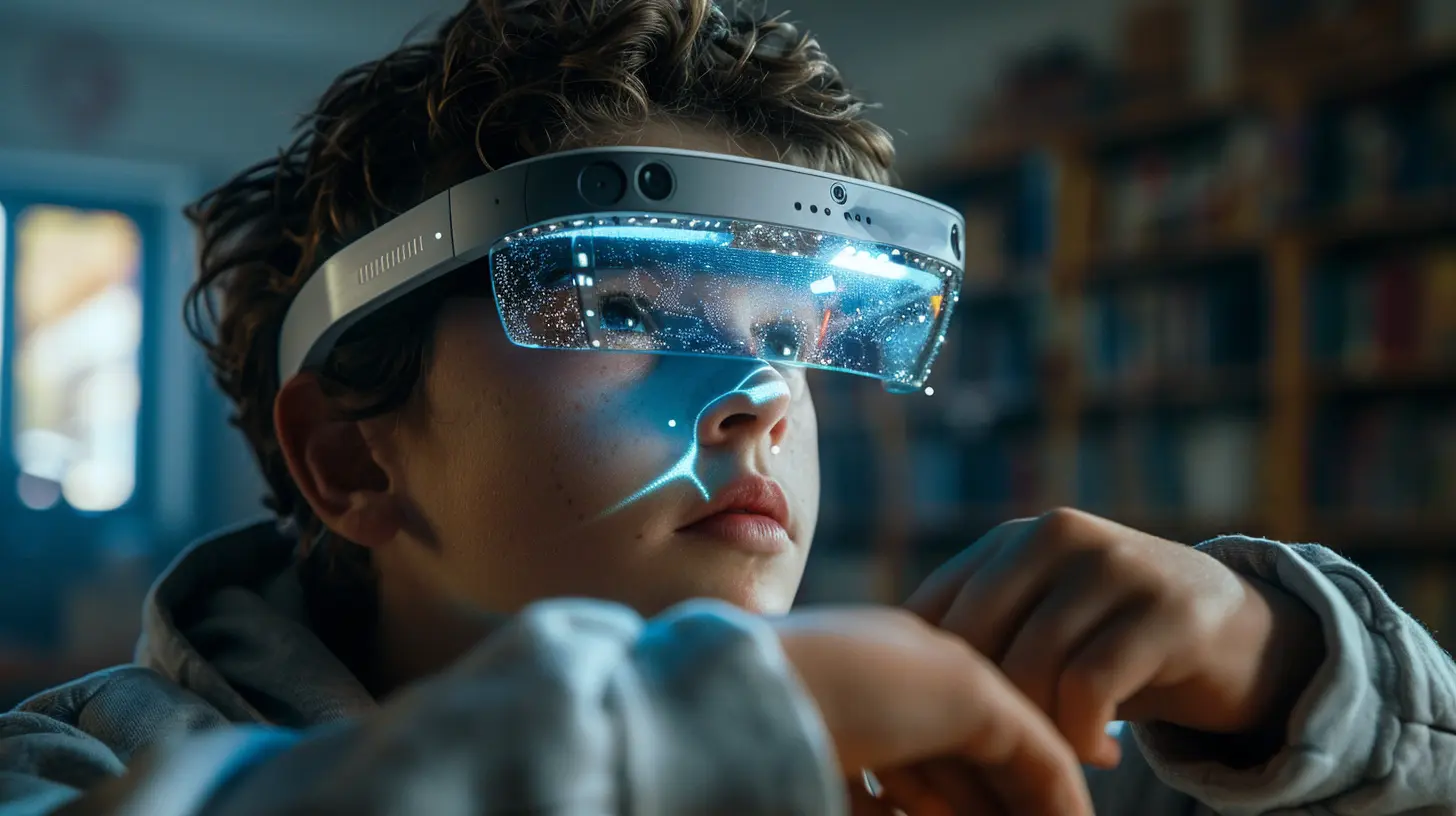
The Real Impact: How AR Deepens Understanding
1. Turning Abstract Ideas into Tangible Experiences
Ever heard the phrase "it's all Greek to me"? That's how many students feel when they come across abstract concepts like algebra, DNA replication, or magnetic fields. AR turns those mind-boggling ideas into things you can actually see and manipulate.For example, a student struggling with geometry could use AR to visualize and manipulate 3D shapes right on their desk. Instead of memorizing formulas, they're understanding relationships between dimensions. That’s the difference between “knowing” and “getting it.”
2. Making Learning More Inclusive
Not everyone learns the same way. AR provides multi-sensory learning experiences that can be a game-changer for students with learning disabilities or language barriers.Imagine a student who struggles with reading English. Instead of reading a passage about the water cycle, they see it happen in real-time through AR. Boom—barriers fall, and understanding rises. Plus, AR often includes audio, animations, and even tactile feedback with haptic devices, catering to a variety of learning styles.
3. Encouraging Active Participation
Let’s face it—traditional lectures can be snooze-fests. AR flips things around by getting students involved. Suddenly, they’re not just passive receivers of information—they’re explorers, decision-makers, and even creators.Want to see how volcanoes erupt? Launch an AR volcano on your desk and trigger the explosion yourself. That kind of interaction turns students from observers into participants, which means they’re not just learning—they’re experiencing.
Real-World Examples: AR Bringing Classrooms to Life
AR in Science Classes
Science topics are notoriously tough because they often involve things too small, too large, or too dangerous to observe in real life. AR changes that.- 🧬 Biology: Students can examine a 3D model of a human heart, watch it beat, and even peel back its layers.
- 🌋 Earth Science: Trigger an AR volcano and explore its inner workings without any risk of lava burns!
- 🪐 Astronomy: Watch planets orbit the sun right in your classroom, with real-time data and scale.
AR in History and Social Studies
Imagine standing in the middle of a Civil War battlefield or walking through an ancient Egyptian temple. AR allows students to visit historical sites without leaving their desk.Instead of passively reading about events, students witness them unfold. This creates empathy, deeper understanding, and far better retention of information.
AR in Math Education
Math is highly conceptual and can feel detached from the real world. That’s where AR steps in.- Visualize complex graphs in 3D space.
- Manipulate equations by dragging and dropping variables.
- Understand fractions by slicing virtual pies.
Suddenly math’s not just numbers—it’s visual, interactive, and oddly satisfying.
The Teacher’s Role in an AR-Enhanced Classroom
Now, let’s be real. Tech is awesome, but it won’t replace teachers (thank goodness!). In fact, teachers play a more active role than ever with AR.Here’s how educators can integrate AR effectively:
- Curate the right tools: Not all AR apps are created equal. Teachers need to explore and choose ones that align with their learning goals.
- Guide exploration: AR should be used intentionally. Teachers set the purpose and help students reflect on what they’ve experienced.
- Balance tech with discussion: AR sparks curiosity that should lead to rich classroom discussions, collaboration, and critical thinking.
Addressing the Challenges of AR in Education
Okay, let’s not sugarcoat it. AR in education isn’t all sunshine and rainbows. There are some challenges:Cost and Accessibility
Not every school has tablets and smartphones for every student. And not every home does either. The digital divide is still a real thing.Solution? Start small. Many AR apps are free or low-cost and work on devices schools already have. Plus, shared-device activities can encourage collaboration.
Tech Overwhelm
Teachers already juggle a lot. Adding new tech may feel like one more thing on an overflowing plate.Solution? Start with one AR app or lesson. Learn the ropes, see the impact, and build gradually. AR doesn’t need to be used daily—it just needs to be used wisely.
Over-Engagement
Yes, this is a thing. AR is so exciting that sometimes students focus more on the novelty than the actual learning.Solution? Keep learning objectives clear and use AR with purpose. Think of it as the spice, not the main course.
Looking Ahead: The Future of AR in Education
The potential for AR in schools is just scratching the surface. As tech gets more advanced and affordable, we're likely to see:- More personalized AR experiences: Tailoring visuals and interactions to each student’s learning pace and style.
- AR and AI integration: Imagine AR tools that adapt in real-time based on student responses.
- Virtual field trips combined with real-time collaboration: Students from different corners of the world visiting the Great Wall of China together—virtually.
The future of learning is immersive, and AR is a key part of that landscape.
Tips for Bringing AR into Your Classroom (Without Losing Your Mind)
So, curious and ready to dip your toes in? Here’s a cheat sheet to get started:- Start with mobile AR apps: Many are free and super user-friendly.
- Try before you teach: Play around with the app yourself first.
- Set clear learning goals: Make sure AR enhances, not distracts.
- Encourage student feedback: Let students evaluate what worked and what didn’t.
- Keep it fun: Remember, engagement is half the battle.
Final Thoughts
Using augmented reality to deepen student understanding isn’t just about tech bells and whistles. It’s about removing barriers, igniting curiosity, and helping students make real, lasting connections with what they’re learning.In a world where attention spans are short and distractions are many, AR provides a bridge between curiosity and comprehension. It makes learning personal, visual, and unforgettable.
So, next time you hear the term "AR in education," don’t just think of it as a gimmick. Think of it as a flashlight—guiding students through the dark corners of confusion, helping them see clearly, and making learning not just possible, but powerful.
all images in this post were generated using AI tools
Category:
Classroom TechnologyAuthor:

Olivia Lewis
Discussion
rate this article
2 comments
Gunner McLain
This article insightfully explores how augmented reality (AR) can enhance educational experiences by providing immersive learning opportunities. By visualizing complex concepts and facilitating interactive engagement, AR not only deepens students' understanding but also fosters creativity and critical thinking skills essential for modern education. An essential read!
March 29, 2026 at 5:10 AM
Olivia Lewis
Thank you for your feedback! I'm glad you found the article insightful and relevant to enhancing education through AR. Your thoughts on immersive learning and critical thinking really resonate.
Charlotte McLanahan
Augmented Reality enhances engagement and comprehension in learning.
March 22, 2026 at 3:51 AM
Olivia Lewis
I completely agree. Augmented Reality truly transforms the learning experience by making complex concepts more accessible and engaging for students.