Voice-Activated Assistants in the Classroom: Are They Effective?"
24 July 2026
We live in an age where talking to machines isn't just for sci-fi movies anymore. No flying cars just yet—but hey, we’ve got Siri, Alexa, and Google Assistant hanging out in our pockets. These voice-activated assistants aren’t just telling us the weather or playing our favorite playlist. They’re slowly walking into school hallways, classrooms, and even helping with homework. But here's the million-dollar question: Are voice-activated assistants in the classroom actually effective?
Let’s dive in, one thoughtful wave at a time, into the world of talking tech and learning minds.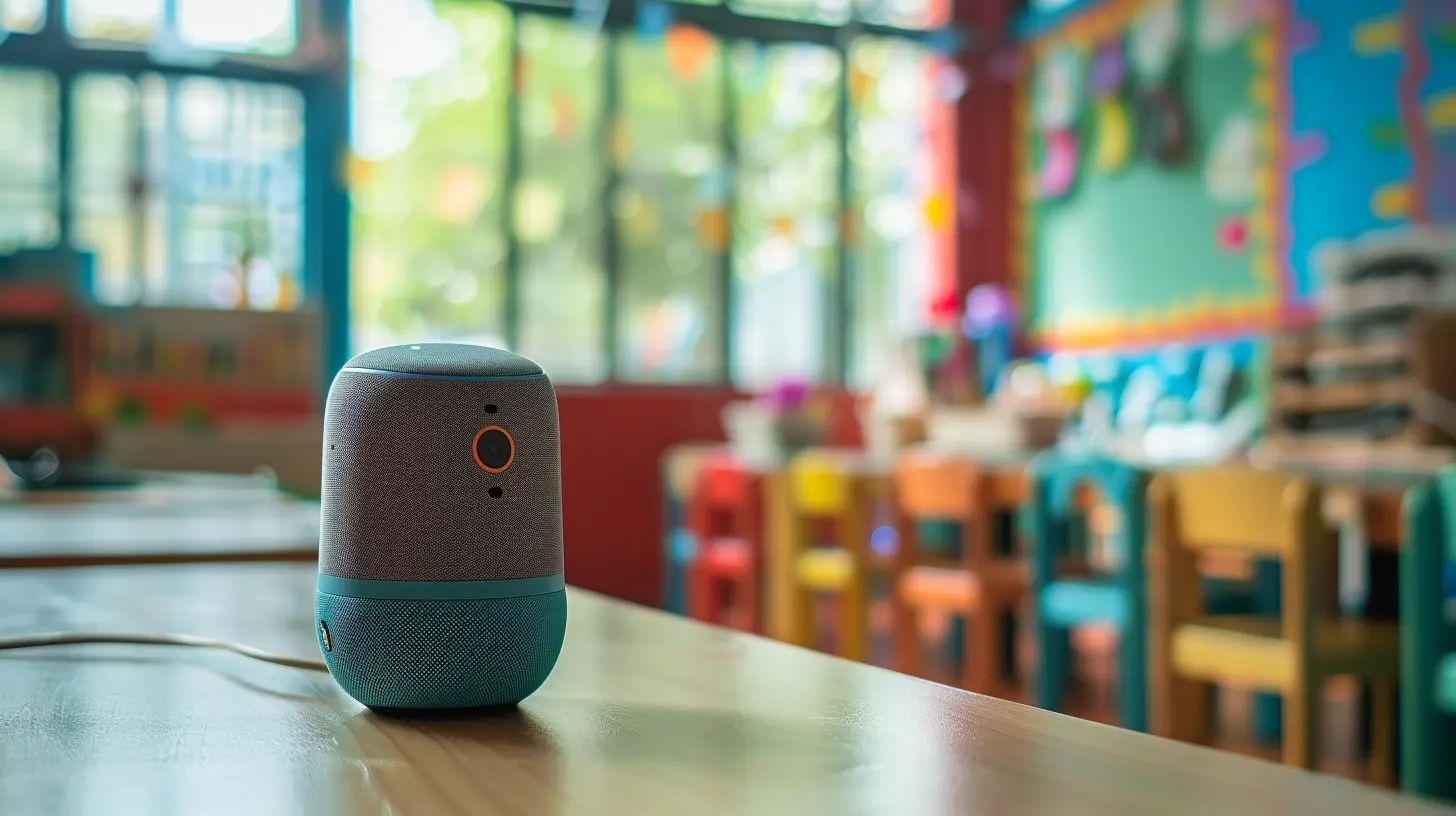
?️ When Tech Speaks, Can Students Listen?
Imagine this: You walk into a fifth-grade classroom, and instead of hearing a teacher asking a question, you hear, “Alexa, what’s the capital of Turkey?” A student leans forward, curious. Alexa politely responds, “The capital of Turkey is Ankara.” The student nods, satisfied. Just five seconds—question asked and answered.Seems efficient, right? But is it educational? That’s the crux.
Voice-activated assistants are like that super helpful library assistant—fast, accurate (most of the time), and never tired. However, unlike a human teacher, they don’t always push the student to think deeper or ask, “Why do you think that’s the answer?”
So, are students gaining skills—or just getting answers?
✨ The Magic They Bring: Benefits of Voice Assistants in Classrooms
Let’s start with the bright side of the digital coin. These AI buddies offer a basketful of benefits. When used wisely, they can enhance the learning experience in exciting ways.1. Hands-Free Help
One of the most underrated superpowers of voice assistants? They let students stay hands-on while learning. Imagine a science experiment—dirty hands covered in baking soda and vinegar. Instead of fumbling with a tablet, a student can simply ask, “Hey Google, what happens when vinegar reacts with baking soda?”No disruption. No mess. Just learning in motion.
2. Accessibility for All
For students with disabilities—especially those with mobility or visual challenges—voice technology is a game-changer. It levels the playing field. Whether it’s reading out loud, spelling out words, or setting reminders, voice assistants can give these students a sense of independence and control they might not get otherwise.3. Instant Gratification Meets Curiosity
Kids are naturally curious. They have a zillion “whys” swirling around their minds. Voice-activated assistants tap into that curiosity. They don’t replace teachers—they augment them. The key is in providing instant support for spontaneous questions while ensuring the deeper discussion follows up.4. Language Learning Boost
For ESL (English as a Second Language) learners, voice assistants are like round-the-clock tutors. Want to hear proper pronunciation? Done. Need to translate a tricky word? Easy. It’s immersive, consistent, and never judgmental.
? But Wait…Are We Skipping the Thinking Part?
Here’s where things get a little murky.For all the sparkle these assistants bring, they can sometimes act like well-meaning helicopter parents—answering too quickly, never letting the child stumble, question, or ponder. That’s a big issue.
When a student asks Alexa for a definition and gets it handed over without processing, are they really learning—or just memorizing? That’s the thin line we’re treading.
The Risk of Passive Learning
Voice assistants provide quick answers—but they don't always encourage deep thinking. A classroom isn’t just about finding answers. It’s about asking better questions. When students rely too much on tech for knowledge, they might not develop the essential skills of research, analysis, or critical thinking.And let’s face it—some of the most powerful learning happens when we struggle, when we try, fail, and try again.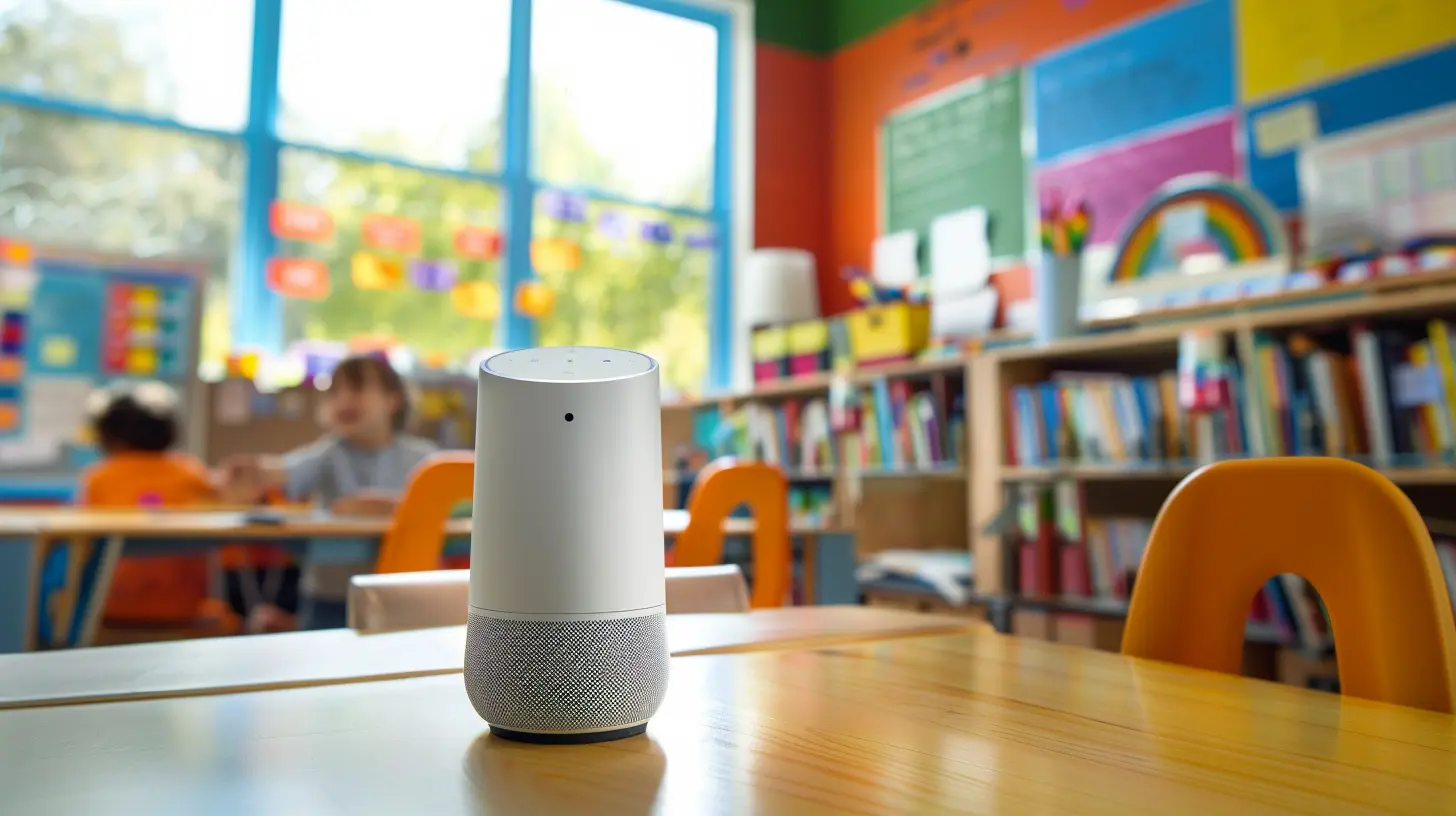
?? Teachers and Technology: Friends or Frenemies?
So, where do teachers fit into this whole voice-powered puzzle?Let’s be clear: Voice-activated assistants aren’t replacing teachers any time soon—and they shouldn’t. They’re tools, not mentors. Think of teachers as sculptors and AI as one of their fancy new chisels.
Blending Human Insight with AI Precision
Teachers bring emotional intelligence, adaptability, and empathy—the kind no AI can replicate. But AI can handle repetitive tasks, save time, and provide support, especially in overcrowded classrooms. Used correctly, this partnership can create a modern classroom where students have both smart machines and even smarter humans guiding them.⚠️ The Flip Side: Challenges and Concerns
Despite their perks, voice assistants come with some baggage. Let’s unpack that suitcase.1. Privacy Problems
These devices are always listening (cue the creepy music). In a home, it’s one thing. In a classroom? Different story. Who’s recording what? Is student data safe? There are very real legal and ethical concerns involved, especially with younger users.2. Inaccurate or Biased Information
Voice assistants aren’t perfect. They sometimes get things wrong. Worse, some answers may carry bias depending on where the assistant pulls its information from. That’s a problem when accuracy and neutrality matter—so, basically, in every classroom.3. Digital Divide Woes
Not all schools can afford voice-activated devices. And not all students have them at home. So while some benefit, others are left behind. That digital gap? It’s still very real.? Creative Classroom Uses That Actually Work
Alright, so how do forward-thinking teachers actually use voice assistants in class without turning students into fact-memorizing robots?Interactive Storytelling
“Alexa, tell us a story about a brave robot.” Bam! You've got a launching point for creative writing exercises. Students can reimagine, rewrite, or extend the tale.Daily Briefings
Let students start the day by asking for the weather, top news headlines (kid-safe, of course), or historical facts about today’s date. It sparks curiosity and gets brains in gear.Math Drills and Spelling Bees
These aren’t just for the boring worksheets anymore. Ask Google Assistant to quiz the class. It keeps things fun and fast-paced.Assistive Reminders and Schedules
Need to keep tasks on track in a special education classroom? Voice assistants help set timers, reminders, and even encourage breaks.? Guidelines for Smarter Integration
To harness the benefits without falling into the tech trap, educators and schools need a roadmap. Here's a mini-guideline:1. Always Verify the Info – Teach students to cross-check voice assistant answers with other sources.
2. Encourage Follow-Up Questions – Don’t stop at the first response. Push students to dig deeper.
3. Use as a Supplement, Not a Substitute – Voice assistants should support instruction, not lead it.
4. Discuss Digital Citizenship – Talk about privacy, data, and ethical tech use—even with young kids.
5. Tailor Content – Use kid-friendly settings and monitor responses.
? Final Thoughts: So, Are They Effective or Not?
Like most things in education, the effectiveness of voice-activated assistants depends on how they’re used.When they're integrated with care, guided by educators, and used as tools—not crutches—they can absolutely amplify learning. They bring the world to the classroom, make knowledge more accessible, and empower students to learn in new, exciting ways.
But if we just toss them into classrooms like toys? We risk trading curiosity for convenience.
So let’s be intentional. Let’s be thoughtful. And let’s always put learning—not just answers—at the center of the classroom.
Because at the end of the day, technology should serve education… not the other way around.
all images in this post were generated using AI tools
Category:
Classroom TechnologyAuthor:

Olivia Lewis