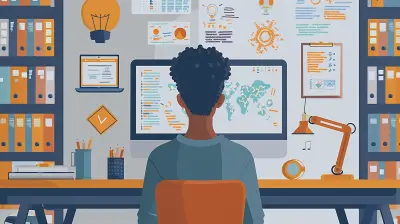
What Blockchain Means for Student Records in 2027
28 May 2026
Let me paint you a picture. It's 2027. You're applying for a job, and the recruiter asks for your transcripts. Instead of scrambling through old emails, calling your university's registrar, or paying a fee for a sealed envelope, you just share a link. That link doesn't lead to a PDF. It leads to a blockchain. And that blockchain holds the truth about your grades, your degrees, and even your micro-credentials from that random online course you took last summer. No middlemen. No waiting. No questions asked.
Sound like science fiction? It's not. It's happening right now, and by 2027, it's going to be as normal as using a smartphone. So, what does blockchain actually mean for student records in 2027? Let's break it down, no jargon, just the real talk.

The Paper Trail Is Dead (Finally)
Remember the days when you had to request an official transcript, wait two weeks, and then pay $15 for a piece of paper that could easily get lost in the mail? In 2027, that system is a dinosaur. Blockchain kills the paper trail for good.Here's the thing: traditional student records are fragile. They live on a university's server, which can be hacked, corrupted, or just plain lost. A fire in a basement archive? Gone. A data breach? Your personal info is for sale on the dark web. Blockchain solves that by spreading the record across thousands of computers. It's like having a thousand notaries watching your diploma, all at once. Nobody can sneak in and change your grade from a C to an A. Not even the university. And you can't fake a degree from "Yale University's School of Rocket Science" because the blockchain knows what was actually issued.
In 2027, students don't worry about lost transcripts. They worry about which digital wallet to use. That's a massive shift.
Your Degree, Your Backpack
Think of blockchain as a digital backpack that you carry with you forever. Every time you finish a course, earn a certificate, or complete a workshop, it gets stamped onto your personal blockchain block. You own that block. Not the school. Not the government. You.This is huge for lifelong learning. In 2027, people don't just get one degree and coast. They stack credentials. Maybe you did a bootcamp in data science, then a short course on ethical hacking, then a university master's in business. In the old world, you'd have three separate paper trails, each from a different institution, each with its own verification process. On blockchain, it's all in one place. You can show an employer your complete learning journey, from start to finish, without any gaps.
And here's the kicker: employers love this. They can instantly verify that you actually earned that certification. No more "I'm just waiting for HR to confirm your degree." The blockchain confirms it in seconds. It's like having a background check built into your resume.

The Death of Diploma Mills
Let's be honest. Fake degrees are a massive problem. In 2027, blockchain makes diploma mills almost impossible. Why? Because every legitimate university will have a public key. When they issue a degree, they sign it with that key. The blockchain checks the signature. If the key doesn't match, the degree is worthless.Imagine you're a hiring manager. You get a resume from someone claiming to have a PhD from Harvard. You scan the QR code on their blockchain record. It shows "Bachelor of Arts, 2021" and nothing else. That's a red flag. No blockchain record? No hire. This isn't about being paranoid. It's about trust. Blockchain forces honesty because you can't hide from the ledger.
In 2027, students will actually prefer universities that use blockchain. It's a badge of legitimacy. If a school doesn't put your degree on the chain, you might wonder what they're hiding.

Micro-Credentials Go Mainstream
You know those little badges you get for finishing a LinkedIn course or a Google certification? In 2027, they're not little anymore. They're big business. Blockchain makes micro-credentials valuable because it proves you actually did the work.Think about it. Before blockchain, anyone could claim they "completed a Python bootcamp." With blockchain, that bootcamp issues a verifiable token. It's like a digital tattoo. You can't wash it off. And because it's on the chain, you can stack those tokens into a portfolio that shows real skills, not just a list of courses.
In 2027, a student might have a blockchain record that includes:
- A high school diploma
- A community college associate degree
- A university bachelor's degree
- Three industry certifications
- Five micro-credentials from online platforms
- Two internship completion records
All in one place. All verifiable. All yours. That's not just convenient. It's revolutionary for people who change careers or learn in non-traditional ways.
Privacy? You Control It
Here's a big fear: "If my records are on a public blockchain, can anyone see my grades?" No. That's a common misunderstanding. Blockchain doesn't mean public display. It means secure storage with selective access.In 2027, you control who sees what. Want to show an employer your GPA? You give them a one-time access key. Want to hide that one C you got in organic chemistry? You can choose to share only your degree and not the transcript. The blockchain doesn't expose your data unless you allow it. It's like having a lockbox where you decide who gets the key.
This is a game-changer for students who worry about discrimination. Your grades don't define you, but in the past, they were on display. In 2027, you share what matters. The system respects your privacy because it's built that way.
Universities Are Becoming Validators, Not Gatekeepers
Let's talk about the big shift in power. In the old system, universities were gatekeepers. They held your records captive. If you wanted to transfer credits, you had to beg for them. If you needed a transcript, you paid a fee. In 2027, universities are becoming validators. They issue the credentials, but they don't control them anymore.This is scary for some institutions, but it's liberating for students. Imagine you take a course at University A, then transfer to University B. In the old world, you'd jump through hoops. On blockchain, University A issues a verified record. University B checks it in seconds. No phone calls. No paperwork. The credits transfer automatically if the system trusts the issuer.
In 2027, students will choose universities based on how easily their credentials travel. A school that uses blockchain is a school that respects your mobility. That's a competitive advantage.
The Job Market Finally Gets Honest
We've all heard the horror stories: someone gets hired based on a fake degree, or someone gets rejected because their transcript got lost. Blockchain eliminates that noise. In 2027, the job market is more transparent because records are trustworthy.For example, a company can set up a smart contract that automatically verifies credentials. When you apply, the system checks your blockchain record. If you meet the requirements, you move forward. If not, you don't. It's not about being harsh. It's about being efficient. No more "we'll get back to you" while HR digs through paper files.
This also helps students from less prestigious schools. A degree from a small college on blockchain carries the same weight as a degree from an Ivy League school, as long as both are verified. The chain doesn't care about brand names. It cares about authenticity. That's a level playing field.
What About Cheating?
You might wonder: "If blockchain is so permanent, what happens if a student cheats and gets caught?" That's a tough one. In 2027, most universities still handle disciplinary actions internally. If a student is expelled for cheating, the blockchain might show that the degree was revoked. But it won't show the reason. The record just says "invalid" or "revoked." The employer doesn't get the juicy details.This is actually better for students. A mistake doesn't follow you forever with a scarlet letter. It just means the credential is gone. You can start over, earn new ones, and build a new record. The blockchain doesn't judge. It just stores facts.
The Tech Behind It (Without the Jargon)
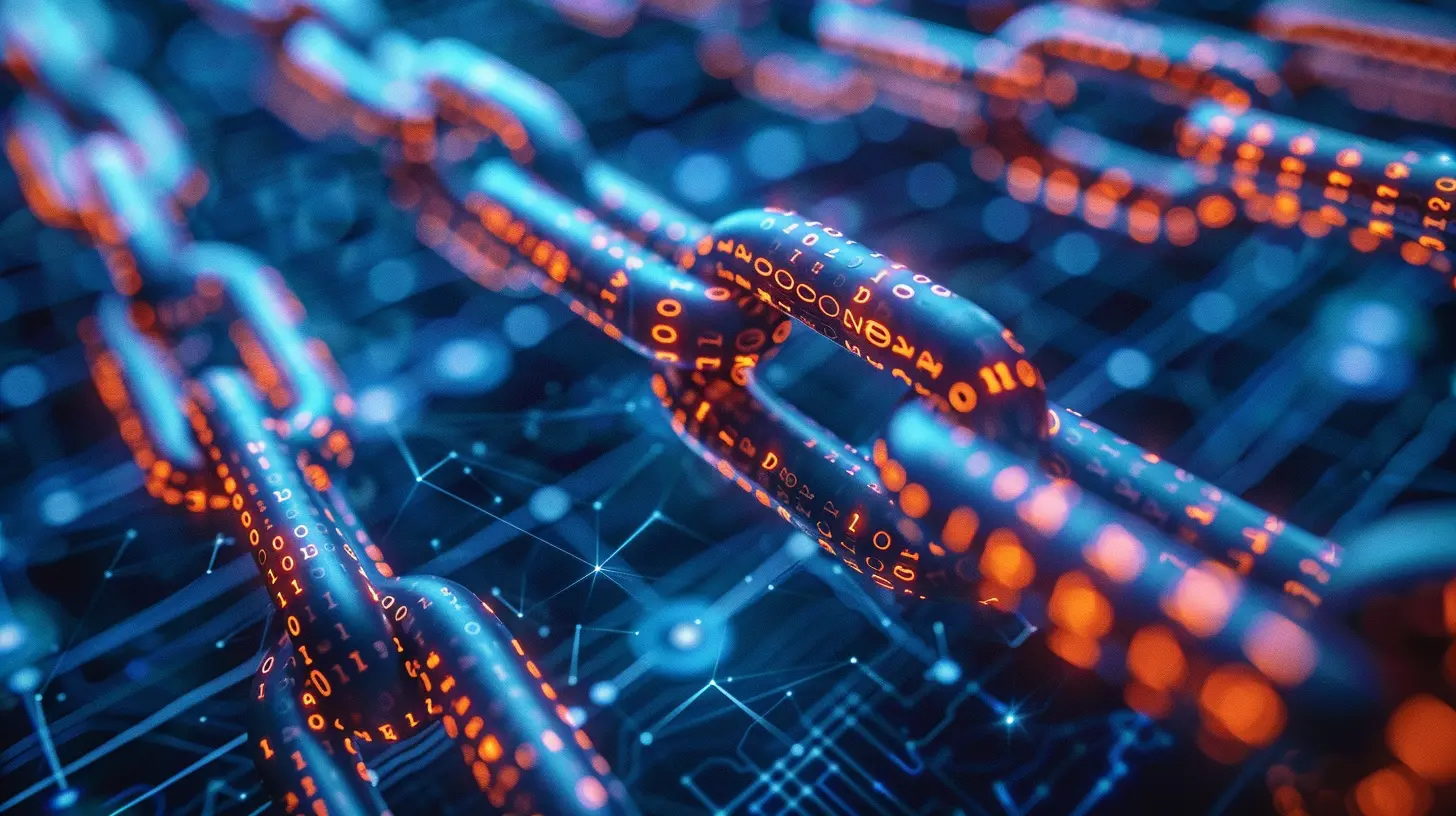
You don't need to understand cryptography to use blockchain, just like you don't need to understand combustion engines to drive a car. But here's the simple version: each record is a block. Blocks are linked together in a chain. Once a block is added, it cannot be changed. To alter one block, you'd have to change every block after it, which would take more computing power than exists on earth. It's like trying to erase a single word from a book that's printed in 10 million copies. Impossible.In 2027, the infrastructure is mature. You don't need a PhD to use it. You just need a digital wallet, like a mobile app. Schools give you a key. You store it. That's it.
The Challenges Nobody Talks About
Let's be real. Not everything is perfect. In 2027, there are still challenges. Some countries don't recognize blockchain records. Some older universities refuse to adopt the tech. And there's the issue of "what if you lose your private key?" If you lose access to your wallet, you lose your records. It's like losing your physical diploma, but worse because there's no backup.However, most systems in 2027 have recovery options. You can link your blockchain identity to a government ID or a biometric scan. So if you lose your phone, you can still prove who you are. It's not foolproof, but it's getting better.
Also, there's the cost. Running a blockchain network takes energy. But by 2027, most educational blockchains use energy-efficient methods, like proof of stake. The environmental impact is minimal compared to the old paper and shipping system.
What This Means for You as a Student in 2027
If you're a student reading this, here's the bottom line: your records are your property. You don't have to beg for them. You don't have to pay for them every time you apply for a job. You carry them with you, securely, and you share them on your terms.In 2027, the phrase "I lost my transcript" will sound as outdated as "I lost my floppy disk." You'll laugh at the idea of waiting weeks for a paper copy. You'll wonder how your parents ever survived the old system.
And for those still in school? Start asking your institution about blockchain. If they're not using it by 2027, they're behind. You deserve better. You deserve a system that works for you, not against you.
The Big Picture
Blockchain for student records isn't just about technology. It's about trust, ownership, and freedom. It's about saying goodbye to gatekeepers and hello to a world where your hard work is visible, verifiable, and yours alone.So, are you ready for 2027? Because it's already here. And it's going to change everything about how we prove what we know.
all images in this post were generated using AI tools
Category:
Education And TechnologyAuthor:

Olivia Lewis
Discussion
rate this article
1 comments
Bailey McCray
Exciting times ahead for student records! Imagine a world where your achievements are securely stored and easily accessible, thanks to blockchain. In 2027, students will have more control over their credentials, making life a little easier. Embrace the future-it's looking bright!
June 7, 2026 at 11:21 AM