What Future Classrooms Will Teach About Sustainability by 2027
4 May 2026
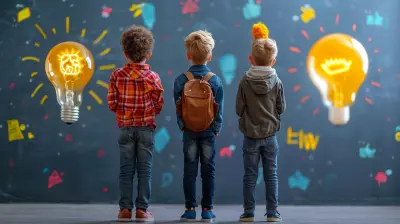
Picture this: a kid sits in a classroom that feels less like a box of desks and more like a living organism. The lights dim automatically when the sun is bright. The walls display real-time data on local air quality. The teacher isn't lecturing from a textbook about "recycling." Instead, students are outside, measuring the health of a creek, then coming back inside to argue about how to fix it. That's not a dream. That's the classroom of 2027.
We have about three years to get there. And the shift is going to be wild, messy, and deeply human. Sustainability isn't just a subject anymore. It's the new literacy. Just like we teach kids to read and write, we'll teach them to think in systems, to feel the weight of waste, and to act like stewards of a planet that's burning. Let's break down exactly what that looks like.
From "Reduce, Reuse, Recycle" to "Regenerate, Redesign, Reimagine"
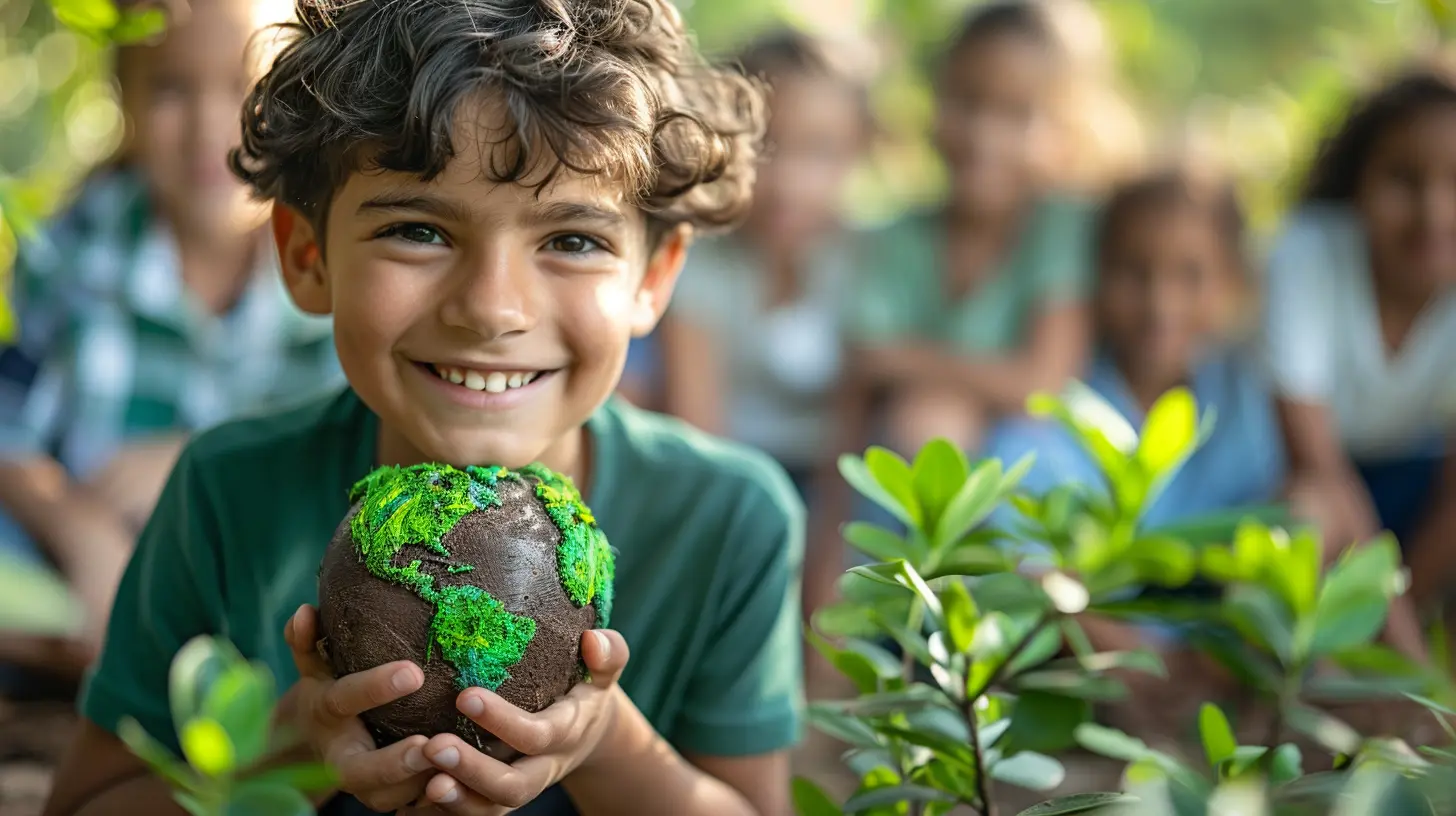
You remember the three Rs, right? Every school had that poster. A sad, cartoon Earth holding a trash can. It was cute. It was also useless. By 2027, that poster is gone. We're moving past the idea that sustainability is about being "less bad." We're teaching kids to think like nature.Nature doesn't recycle. It regenerates. A forest doesn't have a landfill. A leaf falls, it rots, it feeds the soil, a new tree grows. That's a closed loop. Future classrooms will teach students to ask: "How do we design a system where nothing is wasted?" That means building things that can be taken apart and reused. That means composting food waste in the school garden. That means looking at a broken phone and seeing a pile of valuable metals, not trash.
Teachers won't say "don't use plastic." They'll say "what if the plastic could become a brick?" This is the shift from guilt-based environmentalism to solution-based design. And it's way more inspiring.
The Classroom Becomes a Living Lab
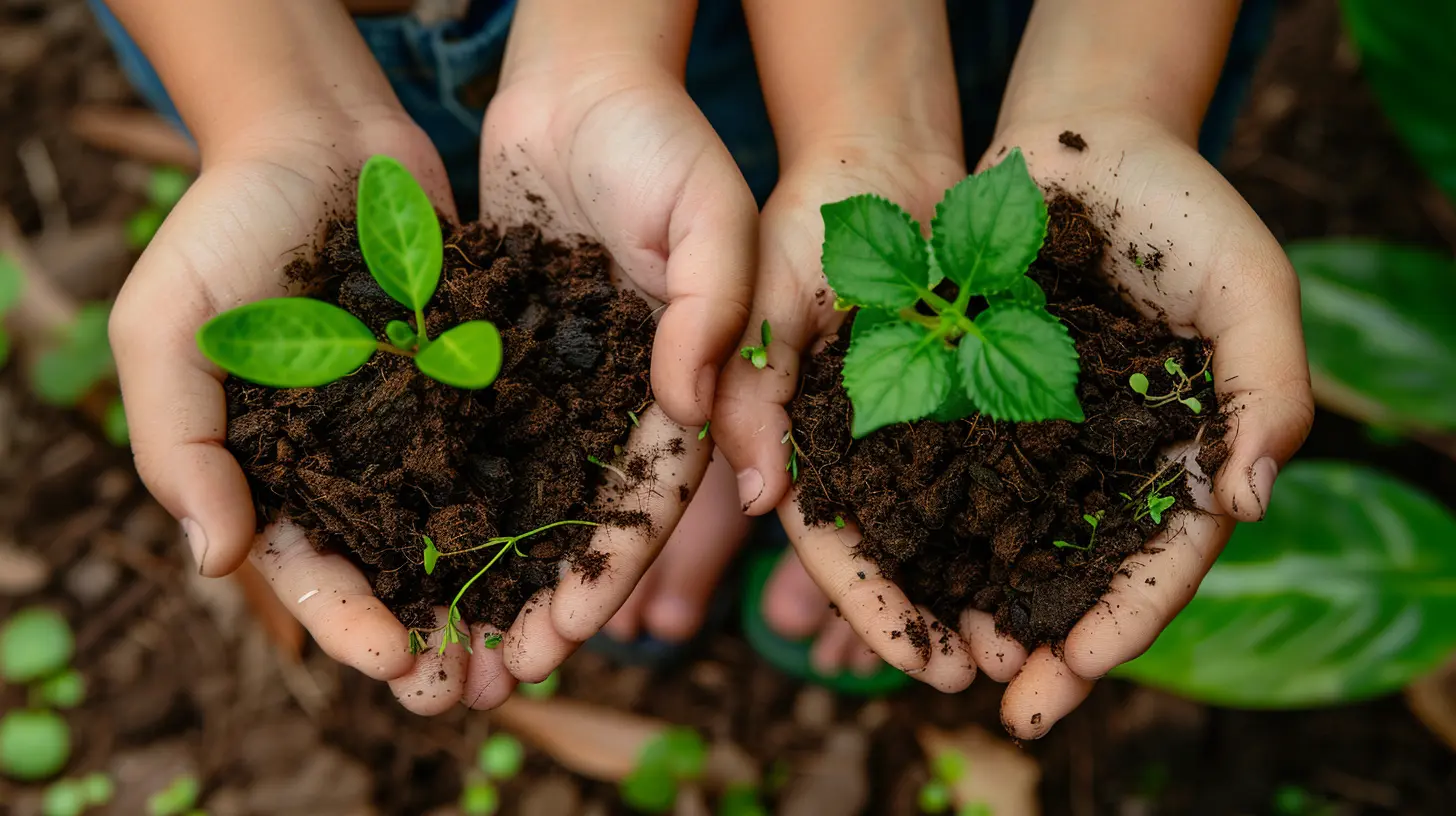
By 2027, a classroom isn't a room. It's an ecosystem. Schools will have solar panels on the roof, and the math class will calculate how much energy the school saved last week. The science class will test the pH of rainwater collected from the playground. The art class will use discarded plastic to make a mural.Here's the key: students aren't just learning about sustainability. They're living it. The lights, the water, the food in the cafeteria-it's all data. Imagine a dashboard in the hallway showing the school's energy use in real time. When the number goes up, kids notice. They start a competition between classrooms to see who can save the most power. That's not a lesson. That's a habit.
And the best part? This isn't expensive. A $30 sensor can track air quality. A simple garden can teach biology, chemistry, and patience. The technology is cheap. The mindset is the real investment.
Systems Thinking: The Superpower Kids Need
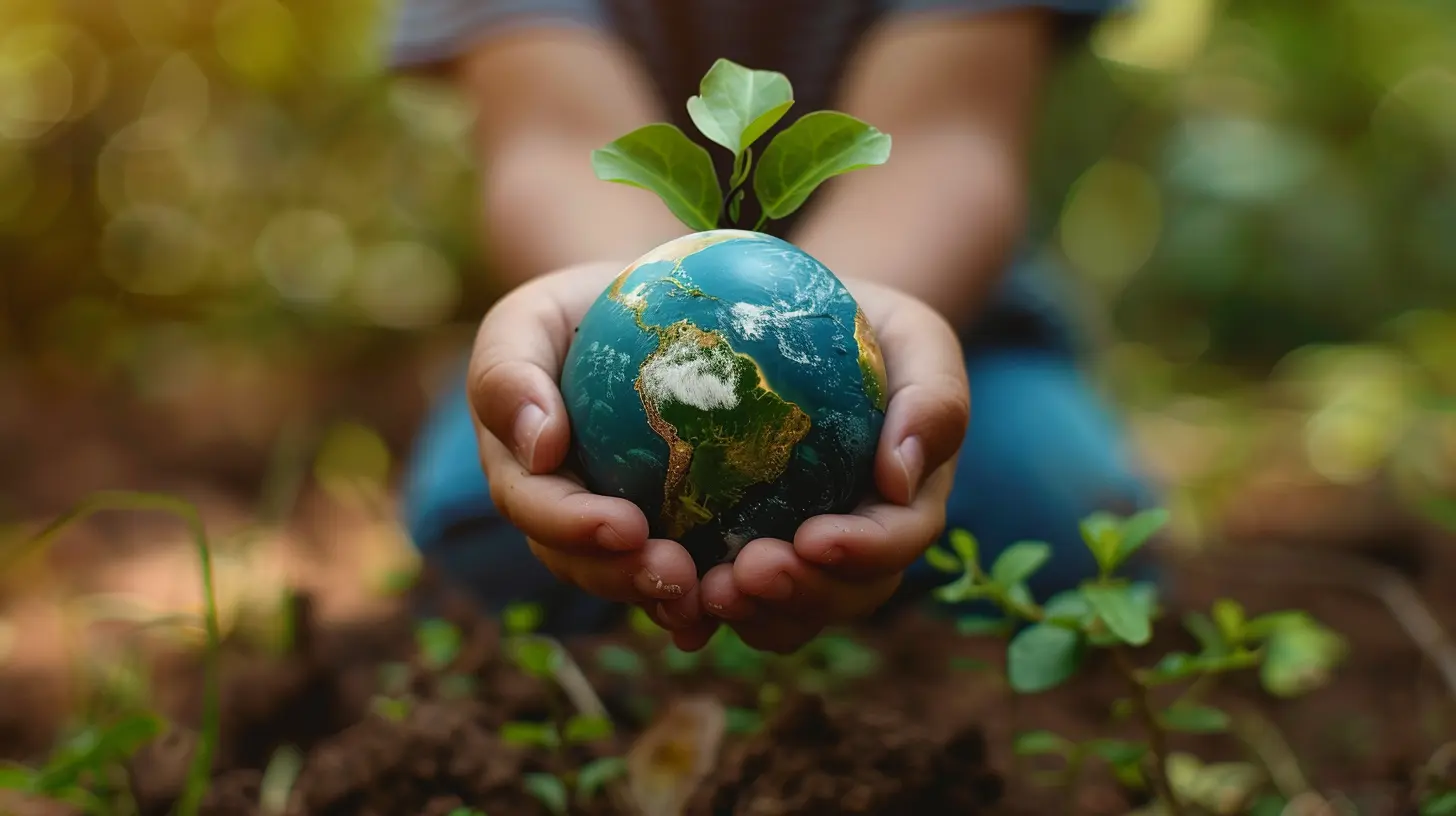
Here's a question for you: why is there so much plastic in the ocean? A typical answer might be "people litter." That's true, but it's shallow. A kid trained in systems thinking would say: "Because we make products that are designed to last for centuries but used for minutes. Because our waste management is broken. Because the economics of recycling don't work. Because we don't value the ocean."That's the level of depth we're talking about. By 2027, classrooms will teach kids to map out cause and effect. They'll draw loops and arrows. They'll ask "What happens when we add this? What happens when we remove that?" This is not a soft skill. This is how you solve climate change, poverty, and inequality.
Think of it like a chess game. Most people just move pieces. A systems thinker sees the board. They understand that pulling one lever changes everything else. Future classrooms will make that the norm.
Emotional Resilience: You Can't Save What You Don't Love
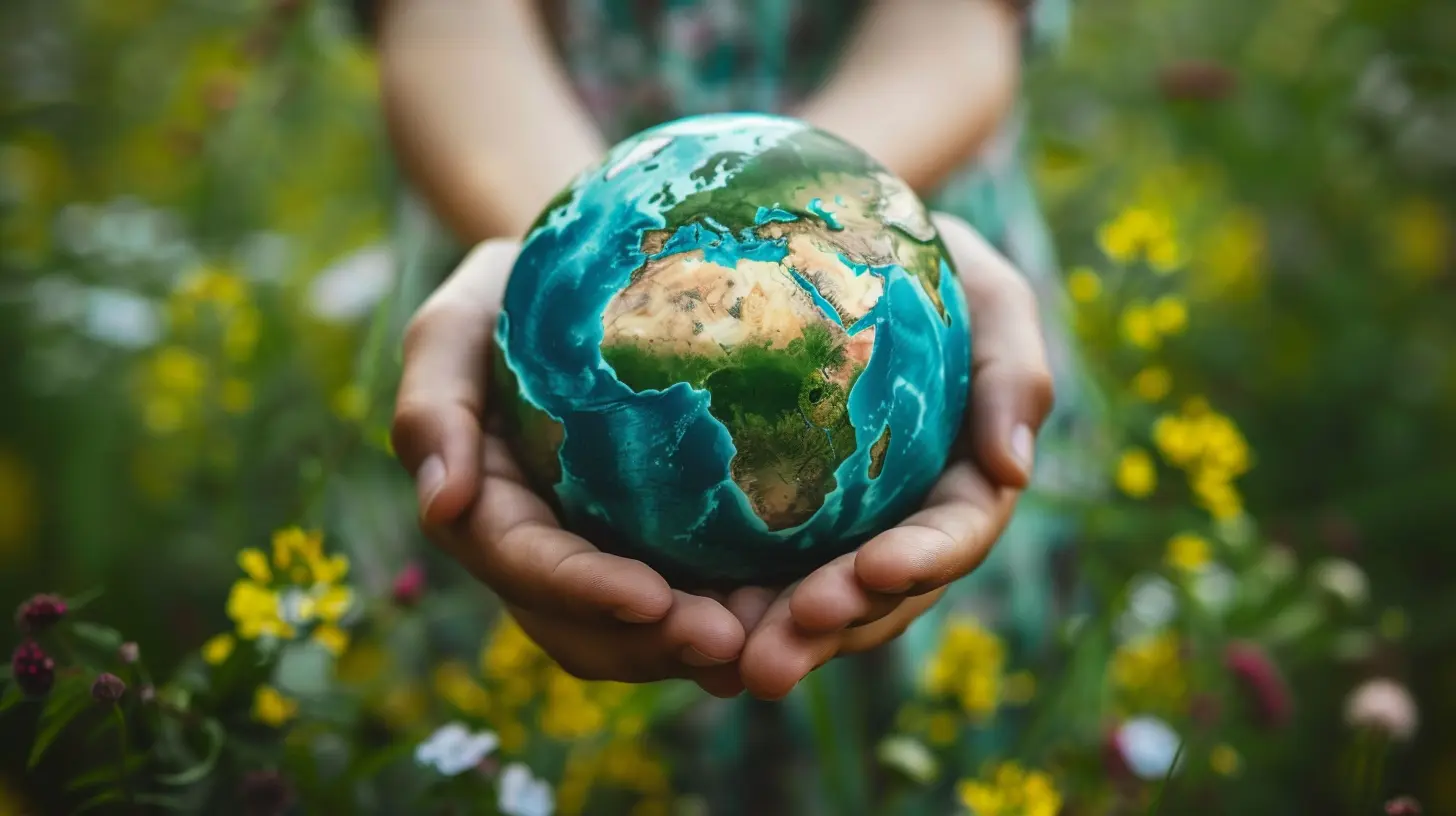
Let's get real for a second. Teaching sustainability is heavy. Kids are scared. They see floods, fires, and extinction in the news. If we just dump facts on them, they'll either check out or panic. By 2027, classrooms will teach emotional resilience alongside environmental science.This isn't about toxic positivity. It's about giving kids tools to process grief and anger. Teachers will say: "It's okay to be sad about the polar bears. Now, what are we going to do about it?" There will be circles where students share their fears. There will be projects that focus on local wins-cleaning a park, planting native species, talking to a city council member.
Because here's the truth: hope is not a feeling. It's a practice. You build hope by taking action. Future classrooms will be factories of hope. Not by ignoring the problem, but by teaching kids that they are part of the solution.
The Death of the Textbook (Finally)
I have to say it: textbooks are terrible at teaching sustainability. By the time a textbook is printed, the data is old. The solutions are outdated. The language is boring. By 2027, the textbook is dead. Not because of iPads, but because the curriculum is alive.Students will work with real-time data from NASA satellites. They'll track deforestation in the Amazon from their desks. They'll use open-source software to model carbon emissions. They'll interview local farmers about soil health. The teacher isn't the gatekeeper of knowledge anymore. They're the guide.
This makes learning messy. It means some days, the lesson plan goes out the window because a kid found a weird bug in the garden and everyone wants to study it. That's fine. That's education.
The Circular Economy as a Core Subject
You've heard of the circular economy. It's the idea that nothing is wasted, everything is a resource for something else. By 2027, this isn't a TED Talk concept. It's a class. Kids will learn how to design products that can be disassembled and remade. They'll learn about "cradle to cradle" design. They'll run a small business in school that sells products made from waste.Imagine a student making soap from used cooking oil from the cafeteria. Or turning old t-shirts into tote bags. They're not just learning business skills. They're learning that waste is a design flaw. And they're learning that they can be the designers.
This is where sustainability meets entrepreneurship. And it's exciting.
Food Literacy: From Farm to Fork (and Back to Farm)
Let's talk about lunch. The average school cafeteria is a disaster of packaged food and plastic wrappers. By 2027, that's changing. Schools will have gardens, greenhouses, and maybe even chickens. Students will grow tomatoes, cook them into sauce, and compost the scraps. They'll learn that soil is alive. They'll learn that food is not a product. It's a relationship.This isn't about making every kid a farmer. It's about connection. When a kid grows a carrot, they're less likely to waste it. When they see how much water it takes to make a burger, they might think twice. Food literacy is the gateway to understanding energy, water, and climate.
And it's delicious. Who doesn't want to eat a tomato they grew?
Collaboration Over Competition
In most classrooms, the goal is to be the best. The best test score. The best project. Sustainability flips that. The problems we face are too big for one person. By 2027, classrooms will emphasize collaboration. Kids will work in teams to solve real problems. They'll share credit. They'll learn that a good idea from someone else is still a good idea.This is hard for a lot of us. We're trained to compete. But nature doesn't compete. It cooperates. Trees share nutrients through underground fungal networks. Ants build colonies. The future classroom will teach that we are stronger together. And that's a lesson we desperately need.
The Role of AI and Tech (Done Right)
I'm not a tech evangelist. But I'm not a luddite either. By 2027, AI will be a tool in the sustainability classroom. But not in the way you think. It won't replace teachers. It will help students model complex systems. "What happens if we reduce carbon emissions by 20%?" The AI runs the simulation. The student interprets the results.It will also help personalize learning. A kid who loves birds can focus on bird conservation. A kid who loves coding can build an app to track litter. The tech is a bridge, not the destination.
The danger is that we use tech to distract. The goal is to use it to connect. Future classrooms will teach digital literacy as part of sustainability. "Is this data real? Who is funding this study? What's the hidden cost of this app?" Critical thinking is the ultimate renewable resource.
The Teacher's New Job
Let's be honest: teachers are stretched thin. They're underpaid, overworked, and asked to solve every social problem. Adding sustainability to the curriculum feels like another burden. But here's the thing: teachers don't have to be experts. They just have to be curious.By 2027, the teacher is a co-learner. They say "I don't know, let's find out together." They facilitate discussions. They bring in community experts. They step back and let kids lead. This is not easier. It's different.
But it's also more rewarding. Because when a kid figures out how to reduce the school's water bill by fixing a leaky faucet, the teacher didn't give them the answer. They gave them the permission to try.
What About Standardized Tests?
I know someone is thinking: "This sounds great, but what about the test?" Here's the truth: the test is changing. By 2027, many states and countries will have sustainability competencies baked into their standards. Not just science, but social studies, math, and language arts. Can you write a persuasive essay on reducing single-use plastic? Can you calculate the carbon footprint of a road trip? Can you analyze the history of environmental justice?The test is becoming real. And that's a good thing. Because the real test is not a multiple-choice bubble. It's whether we can live on this planet without destroying it.
A Personal Note
I didn't learn any of this in school. I learned about the water cycle by drawing arrows on a worksheet. I learned about recycling by crushing a can. It was fine, but it was distant. I didn't feel the weight of my choices.Future classrooms will make you feel it. Not to scare you, but to empower you. Because when you know that your light switch is connected to a coal plant, you flip it off. When you know that your food came from a farm that poisoned the soil, you choose differently. And when you know that you can fix a broken system, you don't just complain. You act.
By 2027, the classroom will be a mirror. It will reflect the world we have, and it will show us the world we could build. And the kids sitting in those chairs? They won't just be students. They'll be the architects of a new way of living.
So here's my question to you: are you ready for that classroom? Because it's coming. And it's going to be beautiful.
all images in this post were generated using AI tools
Category:
Education TrendsAuthor:

Olivia Lewis
Discussion
rate this article
2 comments
Bria Soto
In future classrooms, seeds of sustainability will bloom, nurturing minds to cherish Earth, weaving hope into every lesson.
July 16, 2026 at 11:37 AM
Olivia Lewis
I love this vision. It's inspiring to think about how education can shape a more sustainable future.
Noemi Campbell
This article provides an insightful look into how future classrooms will incorporate sustainability into their curricula. As educators adapt to new technologies and methods, it is crucial that students learn to value the environment. A focus on hands-on experiences will prepare them to tackle real-world challenges related to sustainability.
May 7, 2026 at 11:38 AM
Olivia Lewis
Thank you for the thoughtful comment! I'm glad you found the insights on sustainability in future classrooms valuable. Hands-on experiences will definitely be key in shaping environmentally conscious students.