Why Emotional Intelligence Will Dominate Classrooms in 2026
8 May 2026
Let's be honest for a second. If you walked into a classroom ten years ago, what was the main event? It was the whiteboard, the textbook, and the teacher's voice. You sat in rows. You memorized dates. You solved for X. And if you were quiet and got an A, you were considered a success. The whole system was built on a single, almost brutal assumption: that raw cognitive horsepower-your IQ, your ability to cram facts into your skull-was the only thing that mattered.
But look around today. The world has changed. We're not living in the factory era anymore. We're living in an age of constant noise, of burnout, of AI that can write an essay faster than you can sharpen a pencil. So here's the big question: if a machine can do the thinking, what's left for us humans?
The answer is right in front of us, and it's not a new app or a curriculum reform. It's the thing we've been ignoring for decades: emotional intelligence. And by 2026, it's not just going to be a nice-to-have in the classroom. It's going to dominate. It's going to be the centerpiece, the main course, the beating heart of education. Let me tell you why.
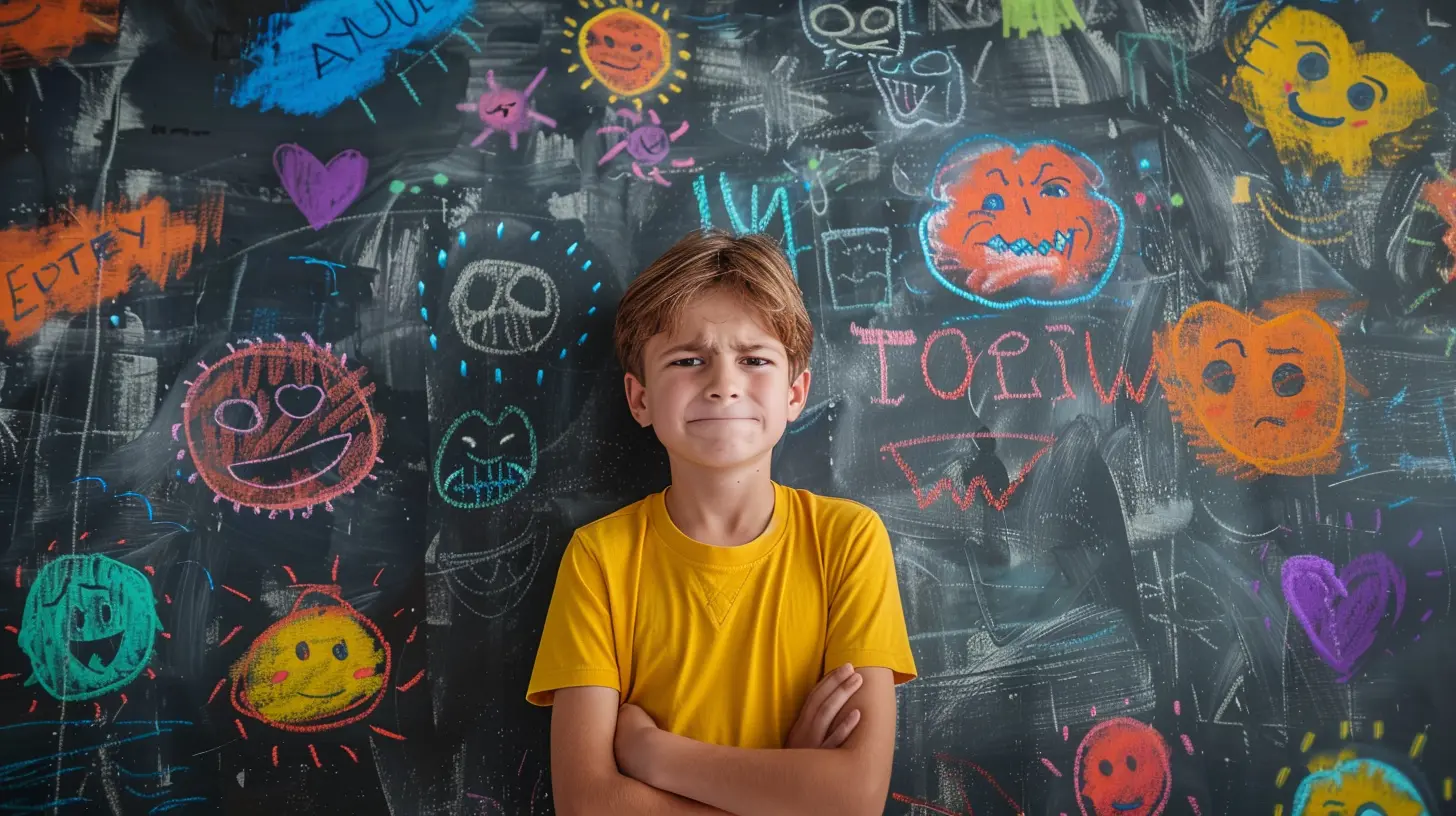
The Death of the Cold Robot Classroom
Think about the phrase "emotional intelligence" for a minute. It sounds soft, right? Like something from a self-help book you'd find at an airport. But the reality is anything but soft. Emotional intelligence is the ability to recognize, understand, and manage your own emotions, while also tuning into the feelings of others. It's the difference between a kid who explodes when they lose a game and a kid who says, "I'm frustrated, but I'll try again." It's the difference between a teacher who lectures at you and a teacher who actually sees you.Why is this about to take over? Because the traditional model is cracking. We've spent decades treating students like empty vessels to be filled with information. But here's the problem: information is everywhere now. You can Google anything. You can ask an AI to write a report. The value of pure knowledge has dropped like a rock. Meanwhile, the ability to collaborate, to empathize, to handle stress, to navigate conflict-that value has skyrocketed.
In 2026, the classroom won't be a place where you just absorb. It'll be a place where you connect. And that's a seismic shift.
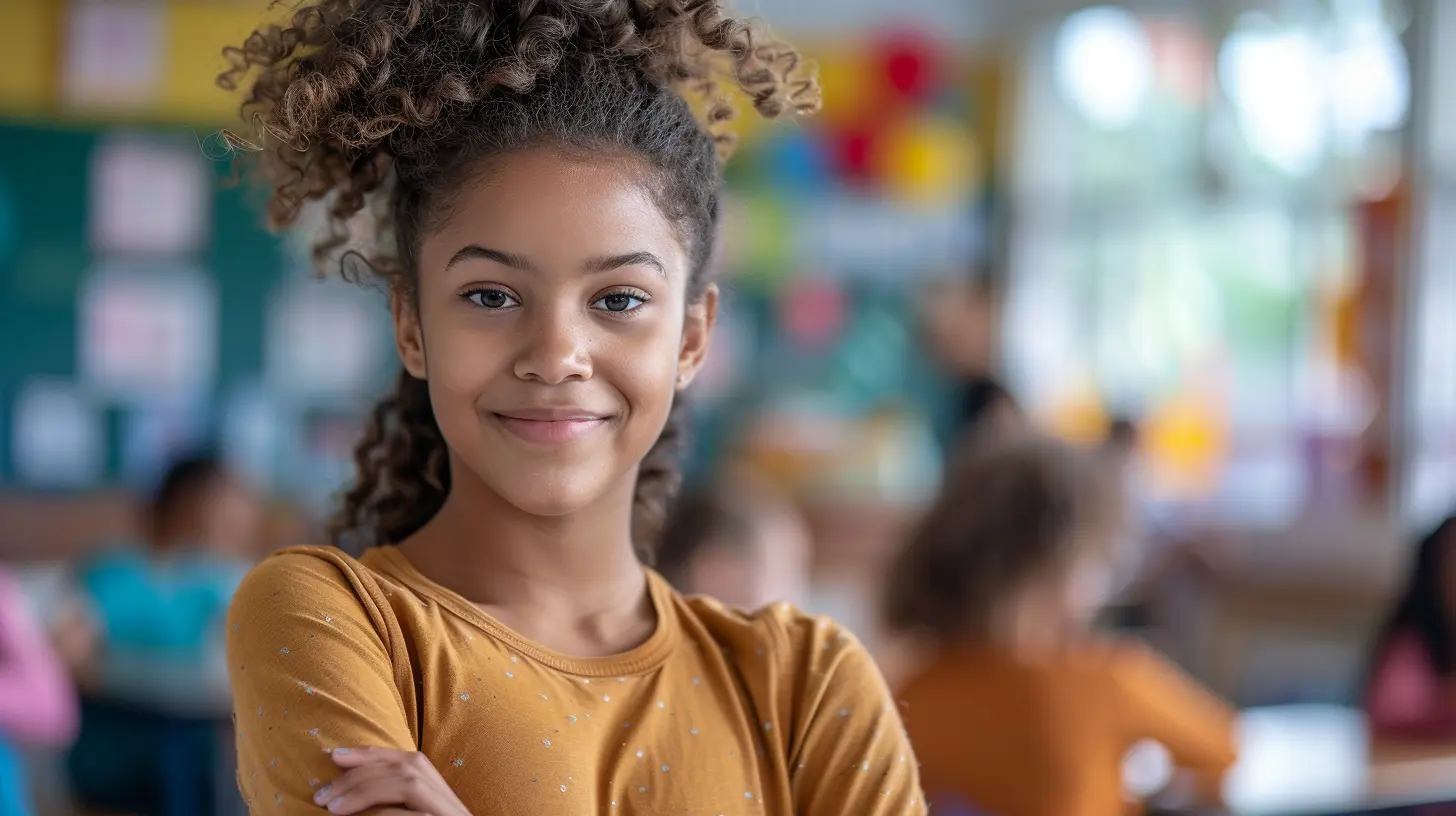
Why 2026 Is the Tipping Point
You might be thinking, "Okay, emotional intelligence has always been around. Why now?" Fair point. But look at the timeline. We're coming out of a pandemic hangover that left a generation of kids more anxious, more isolated, and more screen-dependent than ever before. The data is staggering. Rates of depression and anxiety in young people are at historic highs. Teachers are quitting in droves because they're burnt out from managing behaviors that seem to have no root.Then add AI to the mix. By 2026, AI will be a standard tool in every classroom. It'll grade papers, generate lesson plans, and even tutor students one-on-one. But here's the catch: AI has zero emotional intelligence. It can mimic empathy, but it can't feel it. It can analyze your tone, but it can't hold your hand when you're crying. The role of the teacher, and the role of the student, is about to pivot hard toward the human skills that machines can't replicate.
Think of it like this: if IQ was the engine of the old car, EQ is the steering wheel and the brakes. You can have the fastest engine in the world, but if you can't steer or stop, you're going to crash. In 2026, classrooms will finally realize that we've been teaching kids how to accelerate, but not how to drive.

The Four Pillars of Emotional Intelligence in the Classroom
So what does this actually look like? It's not about sitting in a circle and singing "Kumbaya." It's about a fundamental redesign of how we teach and learn. Let's break it down into the four pillars that will dominate.Self-Awareness: The Mirror That Doesn't Lie
First up is self-awareness. This is the ability to look in the mirror and see yourself clearly-your strengths, your weaknesses, your triggers. In a 2026 classroom, this isn't a side lesson. It's built into the day. Kids will start their morning not with a math drill, but with a two-minute check-in. "How am I feeling right now? Why?" It sounds simple, but it's revolutionary.
Most adults can't even do this. We react. We snap. We blame. But if you teach a kid to name their emotion-"I'm feeling angry because my friend ignored me"-you give them power over it. You move them from being a puppet of their feelings to the puppeteer. By 2026, this will be as normal as taking attendance.
Self-Regulation: The Art of the Pause
The second pillar is self-regulation. This is where the rubber meets the road. It's not enough to know you're angry. You have to know what to do with that anger. In a traditional classroom, a kid who acts out gets sent to the principal's office. Punishment. Shame. It's a cycle that teaches nothing.
In the 2026 classroom, we'll see "calm corners" instead of detention. We'll see breathing exercises before a test, not after a meltdown. Teachers will model regulation by saying, "I'm feeling frustrated right now, so I'm going to take a deep breath before I respond." It's contagious. When a kid sees an adult handle stress without yelling, they learn that it's possible. They learn that emotions are not emergencies.
Empathy: The Superpower We Forgot
The third pillar is empathy. This is the big one. Empathy is the ability to step into someone else's shoes and feel what they feel. In a world that's increasingly polarized, empathy is not just nice-it's survival. In 2026, classrooms will prioritize collaborative projects that force kids to understand different perspectives. Not just in social studies, but in science, in math, in everything.
Imagine a group project where the goal isn't just to build a bridge, but to understand why your teammate is struggling with the calculations. Imagine a history lesson where you don't just memorize dates, but you write a letter from the perspective of someone who lived through that event. That's empathy in action. And it's the single most important skill for a world that's drowning in conflict.
Social Skills: The Lost Art of Talking
Finally, social skills. We've lost them. We text instead of talk. We email instead of look each other in the eye. Kids today can send a hundred snaps in a minute, but they can't hold a five-minute conversation without looking at their phone. By 2026, classrooms will actively teach the art of conversation. Eye contact. Active listening. How to disagree without being disagreeable.
This isn't about being polite. It's about being effective. In the real world, your ability to network, to negotiate, to lead a team, to resolve a conflict-that's what determines your success, not your GPA. And those skills are learned, not born. The classroom of 2026 will be a social gym, where you practice these muscles every single day.
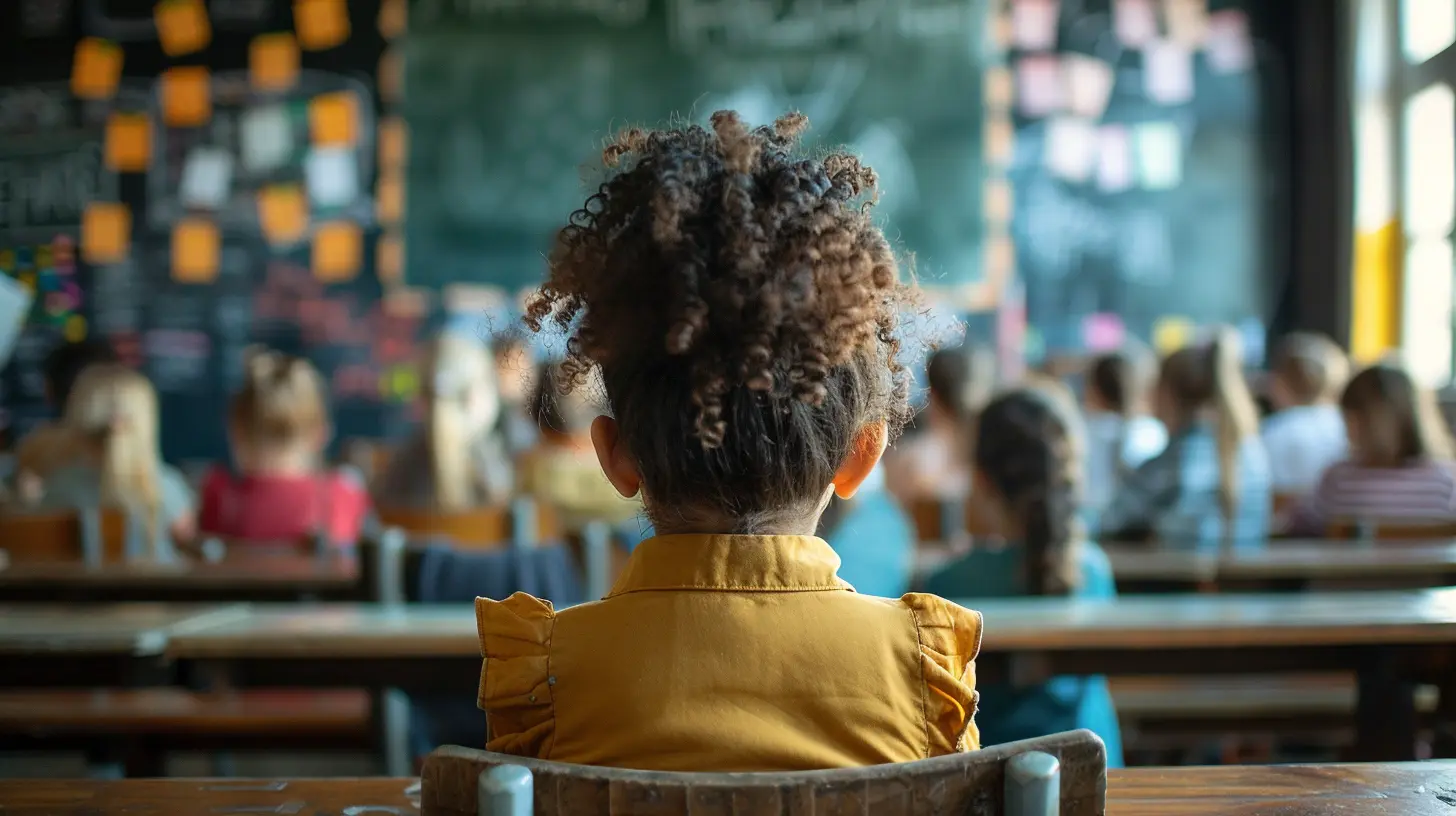
The Teacher's Role: From Sage to Coach
Here's where it gets interesting. If emotional intelligence is the new curriculum, then the teacher's job changes completely. The old model was the "sage on the stage"-the expert who knows everything and pours it into your head. But in 2026, the teacher becomes the "guide on the side." They're a coach, a mentor, a facilitator.This is terrifying for some teachers. It means giving up control. It means being vulnerable. It means admitting that you don't have all the answers. But it's also liberating. When a teacher focuses on emotional intelligence, they stop being a disciplinarian and start being a human. They build relationships. They create a safe space where kids can fail without being shamed.
And here's the kicker: research shows that students learn better when they feel safe and connected. The amygdala-the fear center of the brain-shuts down learning. If a kid is scared, they can't absorb anything. Emotional intelligence isn't a distraction from academics. It's the foundation. You can't build a house on quicksand.
The Tech Twist: AI as the Emotional Mirror
You might think technology is the enemy of emotional intelligence, but that's too simple. In 2026, AI will actually help. Imagine a tool that tracks a student's emotional state through their typing patterns or facial expressions. It sounds creepy, but in the right hands, it's a lifeline. A teacher could get an alert that says, "This student seems withdrawn today." They can then check in privately. "Hey, you okay? Need to talk?"We're not talking about robots replacing humans. We're talking about AI as a support system. It can handle the data so the teacher can handle the humanity. Think of it like a fitness tracker for your emotions. It gives you the numbers, but you have to do the work.
The Resistance: Why Some Will Fight This
Let's not pretend this will be easy. There will be pushback. Parents who want their kids to be "tough." Administrators who want test scores to go up. Politicians who think emotional intelligence is soft and woke. They'll say, "Kids need to learn math, not feelings."But here's the truth: emotional intelligence doesn't replace academics. It enhances them. A kid who can regulate their emotions can focus longer on a math problem. A kid who can empathize can collaborate better on a science project. A kid who is self-aware can advocate for themselves when they need help. The idea that you have to choose between IQ and EQ is a false choice. You need both.
And let's be real: the world is on fire. Climate change. Political division. Mental health crises. If we send another generation into the world with high test scores and zero emotional skills, we're doomed. We need kids who can lead with heart, not just head.
What You'll See in a 2026 Classroom
So let's paint a picture. It's 2026. You walk into a classroom. There are no rows. There are clusters of desks, facing each other. The walls are covered not with posters of the periodic table, but with "emotion wheels" and "conflict resolution steps." A kid is sitting in a beanbag chair, breathing slowly, because they felt overwhelmed. Nobody stares. Nobody judges. It's just part of the day.The teacher starts the lesson not with a lecture, but with a question: "How are we doing today? Who needs to share?" A few hands go up. A kid talks about a fight they had with a friend. The class listens. They offer advice. Then they transition into the math lesson, but the math problem is about budgeting for a charity project they're planning together. The emotions are woven into the learning.
At the end of the day, students don't just pack up their books. They do a "closing circle." They share one thing they learned about themselves. They thank someone for helping them. They leave not just smarter, but more human.
The Bottom Line
We are standing at a crossroads. One path leads to more of the same-more testing, more pressure, more burnout. The other path leads to a classroom that honors the whole person. Emotional intelligence is not a trend. It's not a buzzword. It's a survival skill for a world that's changing faster than we can keep up.By 2026, the classrooms that thrive will be the ones that put EQ first. They'll produce kids who are not just employable, but empathetic. Not just smart, but wise. Not just successful, but fulfilled.
So here's my question to you: Are you ready for it? Because it's coming. And it's not going to be quiet. It's going to be loud, messy, and beautiful. Just like being human.
all images in this post were generated using AI tools
Category:
Education TrendsAuthor:

Olivia Lewis
Discussion
rate this article
2 comments
Rosalyn Stevens
Emotional intelligence in classrooms is a game changer. As we recognize the importance of empathy and self-awareness, students will thrive not just academically but personally. It's exciting to think about how these skills will shape a more connected and supportive learning environment in 2026 and beyond.
July 11, 2026 at 9:07 PM
Olivia Lewis
Absolutely. Fostering emotional intelligence will not only enhance learning but also create a culture of understanding and support among students. It's a vital step for the future of education.
John Nelson
This article highlights a crucial shift in education. Embracing emotional intelligence not only enhances learning but also fosters empathy and connection among students. It's exciting to think about the positive changes ahead.
May 8, 2026 at 4:48 AM