Why Inquiry-Based Learning is Essential for 21st-Century Education"
1 July 2026
Education is evolving, and the traditional "sit, listen, memorize, repeat" model is quickly becoming outdated. Today’s students need more than just facts; they need skills—critical thinking, problem-solving, creativity, and adaptability. That’s where inquiry-based learning (IBL) comes in.
But what exactly is inquiry-based learning? And why is it becoming a must-have in 21st-century education? Let’s dive deep and uncover the secrets behind this powerful learning approach. 
What is Inquiry-Based Learning?
Imagine being given a puzzle without a picture on the box. You don't know exactly what it should look like, but piece by piece, you start figuring it out. That’s inquiry-based learning in a nutshell—students explore, question, experiment, and uncover knowledge rather than passively receiving it.Instead of teachers acting as knowledge dispensers, they become guides, nudging students in the right direction as they investigate real-world problems, ask questions, and seek their own answers.
Gone are the days of memorizing endless facts just to regurgitate them on a test. Instead, students engage in curiosity-driven learning, making education feel like an adventure rather than a chore. 
The Shift from Traditional Learning to Inquiry-Based Learning
Let’s be real—education hasn’t changed much in centuries. The old-school model mainly involved teachers lecturing while students sat quietly, absorbing information.But here’s the problem:
- Memorization doesn’t equal understanding. Just because students can recite facts doesn’t mean they truly understand them.
- Passive learning kills curiosity. When students aren't encouraged to ask questions, they stop being curious.
- The real world isn’t a multiple-choice test. Success today requires problem-solving, critical thinking, and adaptability—skills traditional learning often fails to develop.
Inquiry-based learning flips this outdated model on its head, making education interactive and dynamic. 
Why Inquiry-Based Learning is Essential for 21st-Century Education
1. Encourages Critical Thinking and Problem-Solving
The modern world is unpredictable. Students need to think on their feet, analyze information, and make sound decisions—skills that inquiry-based learning cultivates naturally.By engaging in open-ended questions and problem-solving activities, students learn how to think, not just what to think.
? Imagine a classroom where students are challenged to solve real-world problems: What’s the best way to reduce pollution in their city? How can they design a more efficient transportation system? These aren’t just theoretical questions; they require deep thinking and innovative solutions.
2. Promotes Curiosity and a Love for Learning
When was the last time you were genuinely excited to learn something new? That’s the magic of curiosity—it makes learning feel effortless.Inquiry-based learning feeds natural curiosity by allowing students to ask their own questions and seek answers. Instead of force-feeding information, educators create an environment where students are intrinsically motivated to learn.
Think of it like a detective story: students follow clues, make discoveries, and connect knowledge in ways they never expected. That’s far more exciting than rote memorization!
3. Develops Independent and Lifelong Learners
In the digital age, information is everywhere. The real challenge isn't finding information—it's knowing how to analyze, interpret, and apply it effectively.Inquiry-based learning teaches students how to learn on their own, an essential skill in today's fast-changing world. They become self-directed learners, capable of seeking out knowledge long after they leave the classroom.
4. Encourages Collaboration and Communication
Most jobs today aren’t solo missions—they require teamwork, communication, and collaboration. Inquiry-based learning reflects this by emphasizing group discussions, peer feedback, and cooperative problem-solving.Students don’t just learn from textbooks; they learn from each other. They engage in debates, share insights, and refine their thinking through discussion, preparing them for real-world teamwork.
5. Makes Learning More Engaging and Meaningful
Let’s face it—when learning is boring, students tune out. But when learning is interactive, hands-on, and relevant to real life, students become deeply engaged.Inquiry-based learning ties education to real-world issues, making it meaningful. Why memorize abstract math formulas when you can apply them to solve real-life problems?
6. Prepares Students for the Future Job Market
Think about the top skills employers look for today:✅ Creativity
✅ Critical thinking
✅ Communication
✅ Collaboration
✅ Problem-solving
Traditional learning doesn’t prepare students for this reality. But inquiry-based learning does.
Future careers will demand individuals who can adapt, innovate, and continuously learn—all traits developed through an inquiry-driven education. 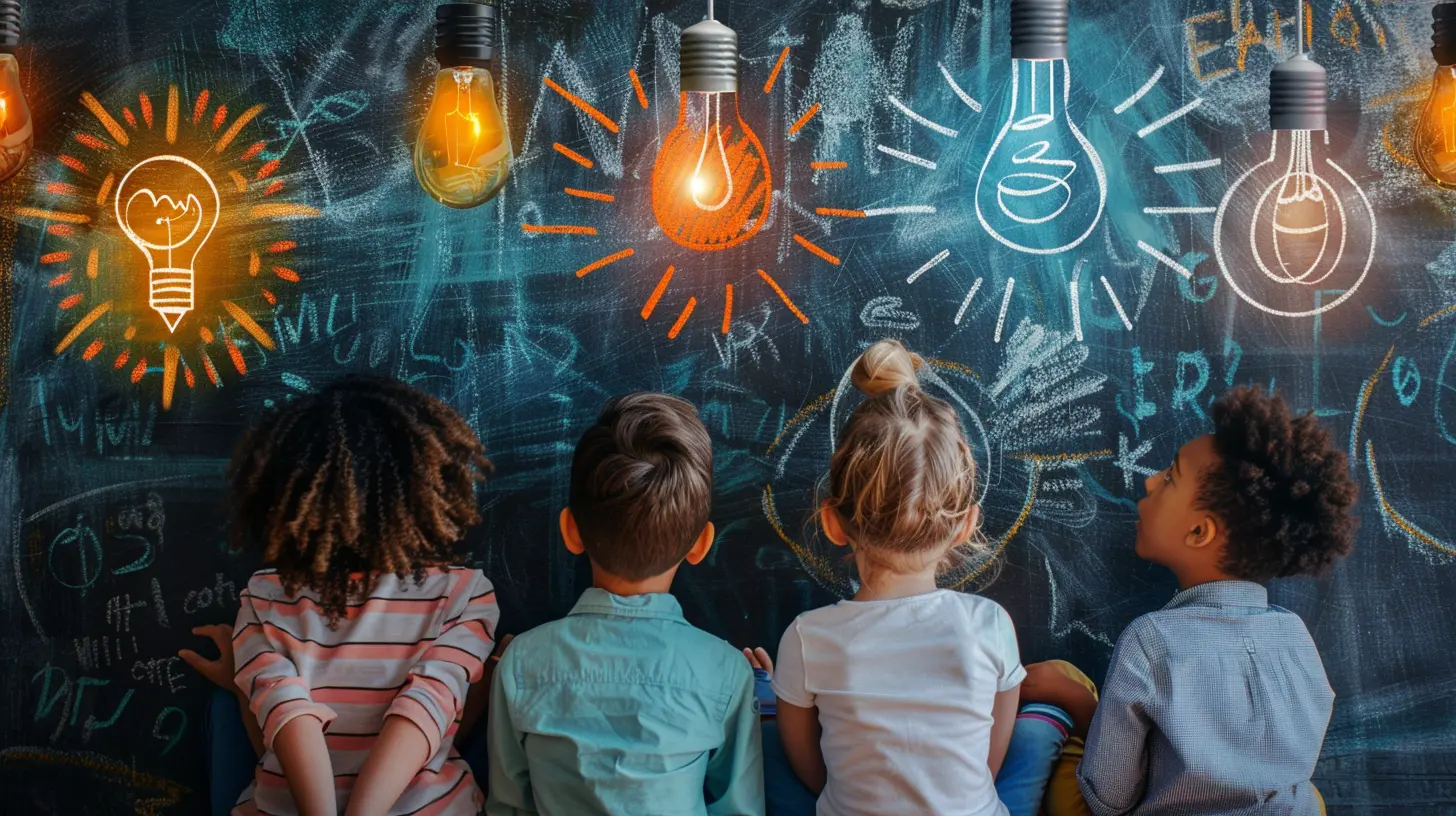
How to Implement Inquiry-Based Learning in the Classroom
If you’re an educator wondering how to introduce inquiry-based learning, here are some practical strategies:1. Start with Open-Ended Questions
Instead of yes/no or fact-based questions, ask thought-provoking questions that spark discussion and curiosity.? Example: Instead of "What are the causes of climate change?" ask, "What can we do in our daily lives to slow down climate change?"
2. Use Hands-On and Real-World Activities
Let students experiment, research, and explore rather than just listen to lectures.? Example: Instead of lecturing about ecosystems, have students create their own ecosystems in a terrarium and observe changes over time.
3. Encourage Collaborative Learning
Group projects and discussions enhance learning through shared insights and different perspectives.? Example: Assign students a real-world problem (e.g., how to reduce food waste) and have them work in teams to propose solutions.
4. Allow Students to Take the Lead
Give students the freedom to explore topics that interest them and drive their own learning process.? Example: Let students choose their own research topics rather than assigning the same topic to everyone.
The Future of Education Lies in Inquiry
Education isn’t just about passing tests; it’s about preparing students for life beyond the classroom. Inquiry-based learning isn’t just another teaching method—it’s a revolution in education, shaping curious, capable, and confident learners.If we want future generations to be thinkers, innovators, and problem-solvers, it’s time to embrace inquiry-based learning and make curiosity the foundation of education.
Are you ready to ditch old-school methods and embrace a future where learning is more engaging, meaningful, and effective? The future of education depends on it!
all images in this post were generated using AI tools
Category:
Inquiry Based LearningAuthor:

Olivia Lewis
Discussion
rate this article
1 comments
Levi Beck
Inquiry-based learning transforms education by fostering critical thinking and problem-solving skills. It encourages students to explore, ask questions, and engage deeply with content, making them more adaptable and better prepared for the complexities of the modern world.
July 3, 2026 at 4:37 AM