Empowering Students to Take Ownership of Their Emotional Well-Being
12 August 2026
Let’s face it—we’re living in a world that moves fast. Homework piles up, social pressures are relentless, and the idea of keeping it all together emotionally? That can feel overwhelming. But what if there was a better way forward? What if students could take the wheel of their emotional well-being and steer through life with more confidence, clarity, and calm?
That’s where empowerment comes in.
In this article, we'll dive into the joyful journey of helping students unlock the power within themselves to not only understand their emotions but take ownership of them. Sounds like a superpower, right? Well, it kind of is.
Why Emotional Well-Being Matters (Way More Than You Think)
Emotional well-being isn’t just about feeling happy all the time. Nope, it’s deeper than that. It's about understanding emotions, processing them in healthy ways, and bouncing back after setbacks.When students are emotionally empowered, they can:
- Make better decisions
- Build stronger friendships
- Perform better academically
- Handle stress without melting down
- Grow into resilient and self-aware adults
It’s like giving them a toolbox for life.
But here's the catch: no one else can own their feelings for them. As much as parents and teachers want to help, emotional ownership has to come from within.
The First Step: Start Talking About Emotions
Let’s get real for a second. Most kids don’t grow up talking openly about how they feel. Phrases like “man up” or “stop crying” still echo in many homes and classrooms. That’s got to change.Imagine if kids were taught to treat emotions like guests—they come, stay for a while, and then leave. Some might stay longer, some come uninvited, but all of them have something to teach us. Isn’t that a healthier way to look at it?
Normalize Emotional Vocabulary
Words matter. Instead of just saying “I feel bad,” students should be able to say:- “I feel anxious about the test tomorrow.”
- “I’m sad because I had an argument with my friend.”
- “I’m super excited about the school trip!”
The more they expand their emotional vocabulary, the better they can understand what’s really going on inside.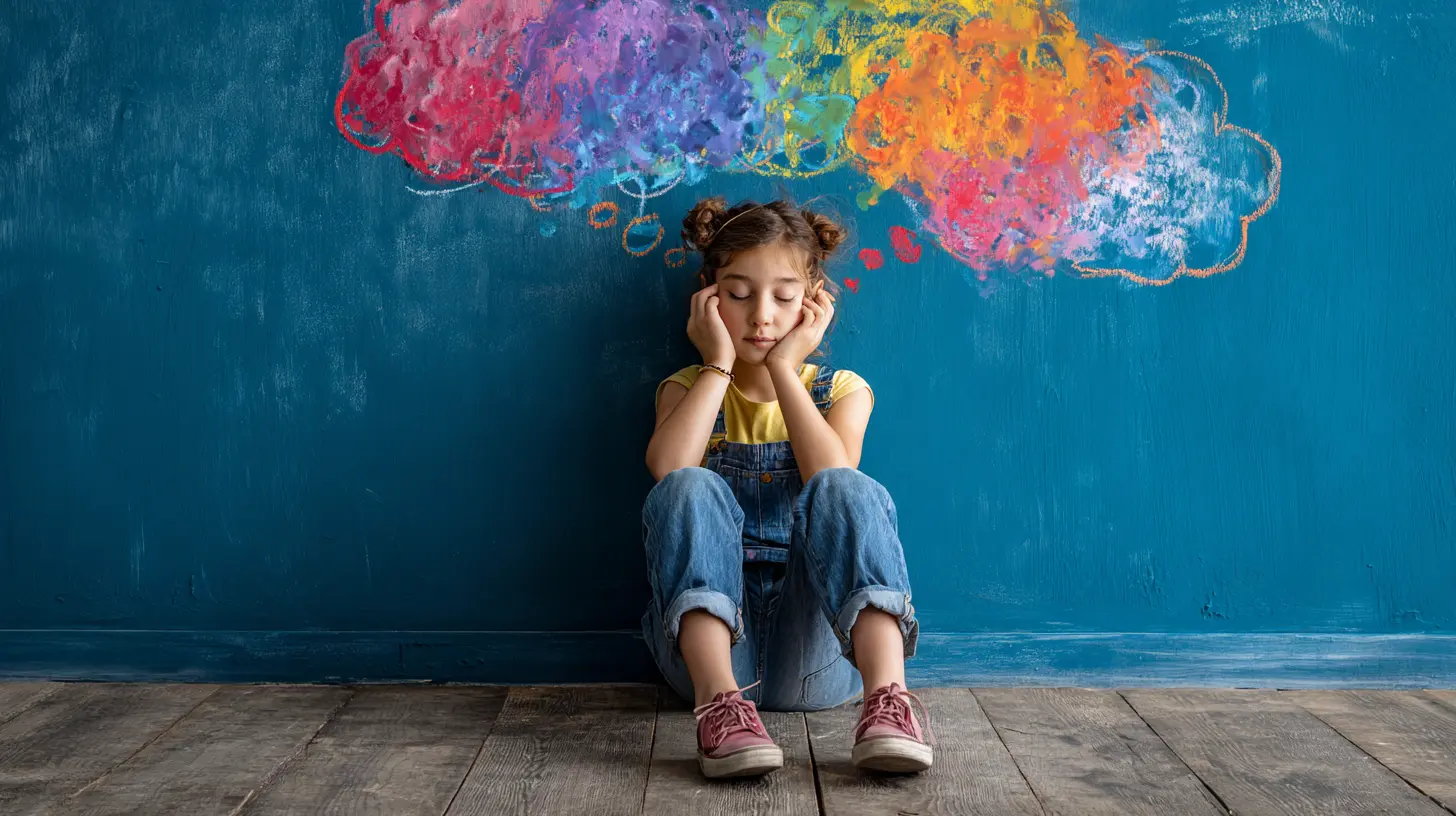
Embrace the Power of Self-Awareness
Alright, pop quiz—but make it fun: How can anyone manage their feelings if they don’t know what they're feeling in the first place?That’s where self-awareness steps in. It’s the internal flashlight that helps students notice their emotions as they come up.
Simple Ways to Boost Self-Awareness:
- Daily check-ins: “How am I feeling right now?” It can be as simple as a 20-second pause.- Mood journaling: Writing down feelings helps students connect the dots between their emotions and actions.
- Body scanning: Teach them to notice physical signs—tight shoulders or stomach butterflies often signal hidden stress or excitement.
When students start tuning in to these emotional cues, they’re better equipped to respond rather than react. And that’s powerful.
Promote Self-Regulation: The Secret Super Skill
Okay, self-awareness is step one, but what comes next? Self-regulation—aka knowing how to calm down, cheer up, or simply not freak out.Let’s say a student fails a quiz. Do they beat themselves up or use it as motivation to study harder? That decision depends on their regulation skills.
Handy Self-Regulation Hacks:
- Deep breathing exercises (yes, they really work!)- Taking a walk or short break to get a fresh perspective
- Listening to music that helps lift or stabilize moods
- Using positive self-talk—remind them to be their own inner cheerleader
These are small habits, but over time, they become default responses. Instead of spiraling, students learn to stay centered.
Help Students Set Personal Emotional Goals
Just like setting academic or athletic goals, emotional goals are game-changers. Think about it:Wouldn’t it be amazing if a student said, _“This week, I want to practice standing up for myself respectfully,”_ or _“I’m going to try to notice one good thing about myself each day?”_
How to Encourage Goal-Setting:
- Make it personal and specific.- Keep goals achievable and track progress.
- Celebrate wins—big or small.
Emotional goals give students a direction and purpose. More importantly, it makes the emotional journey feel proactive, not passive.
Create a Culture That Supports Emotional Ownership
Ever notice how motivation skyrockets when students feel safe and supported? Creating a healthy classroom or home culture can make all the difference.Here’s What That Can Look Like:
- Open conversations about mental health and feelings- Modeling vulnerability—teachers and parents can share their emotions too
- Teaching problem-solving skills instead of lecturing
- Recognizing effort rather than just outcome
- Offering choices to give students a sense of control
When students feel like their emotions are welcome and valid, they’re more likely to take responsibility for them.
Use Technology for Good: Emotional Wellness Apps & Tools
Let's be honest—students are always on their phones, so why not meet them where they are? There are tons of awesome apps and digital tools that promote emotional health.A Few Favorites:
- Moodpath – helps track emotions and thoughts- Headspace or Calm – guided meditations and anxiety-reducing exercises
- Reflectly – a journaling app with mood tracking
When used intentionally, technology becomes more than a distraction—it becomes a support system.
Encourage Peer Support and Connection
No one wants to feel like they’re going through tough emotions alone. That’s why building strong peer connections is a major key.Tips to Encourage Peer Support:
- Start a “feelings circle” where students can safely share- Pair students in “emotional buddies”—someone to talk to when things get rough
- Promote team-building activities to deepen friendships
When students support each other emotionally, it reinforces empathy and shared strength.
Let Students Reflect and Celebrate Growth
Reflection is the cherry on top. When students pause to look back at how far they’ve come—emotionally—it reminds them that they’re not stuck; they’re growing.Try This:
- Have students write letters to their future selves- Use emotion journals to track progress over months
- Celebrate milestones—like calmly handling a tricky situation or expressing themselves clearly
Reflection shows students that emotional growth is real, and it’s something to be proud of.
Don’t Just Teach SEL—Live It!
Social Emotional Learning (SEL) isn’t just a subject. It’s a lifestyle. And when emotional well-being becomes part of the daily routine, it stops feeling like “extra” work and starts becoming second nature.So whether you're a parent, teacher, or mentor—walk the talk. Show students what emotional ownership looks like. Celebrate the messy, beautiful process of becoming emotionally wise.
After all, there’s no greater lesson than leading by example.
A Final Word: The Future Looks Bright
Empowering students to take ownership of their emotional well-being is more than just a trend—it’s a transformation.It equips them with skills they’ll use every day for the rest of their lives. It enables them to face challenges with resilience, relate to others with empathy, and grow into confident, compassionate adults.
And isn’t that what we all want? A generation of young humans who don’t just survive the twists and turns of life—but thrive through them?
Let’s keep cheering them on. The journey's just getting started.
all images in this post were generated using AI tools
Category:
Social Emotional LearningAuthor:

Olivia Lewis