Fostering a Growth Mindset with Social-Emotional Learning
27 May 2026
Ever heard someone say, “I can’t do math,” or “I’m just not creative”? These are classic signs of a fixed mindset—the belief that abilities are set in stone. But what if we could shift that thinking? What if students believed they could grow with effort, practice, and support? That’s where fostering a growth mindset comes in. Pair it with social-emotional learning (SEL), and you'll have a game-changing combo for learners of all ages.
In this post, we’re diving deep into how social-emotional learning can drive the development of a growth mindset. It’s not just about being positive—it’s about reshaping how students think, behave, and engage with challenges. So grab a cup of coffee and settle in—this is a topic that could seriously transform the way we educate.
What Is a Growth Mindset, Anyway?
Before we get too far, let’s unpack what a "growth mindset" actually means. The term, coined by psychologist Carol Dweck, refers to the belief that intelligence, skills, and talents aren’t fixed—they can be developed through effort, feedback, and perseverance.☑️ Got a bad grade? A growth mindset says, “I can improve with more study.”
☑️ Struggled with a group project? A growth mindset replies, “Next time, I’ll handle communication differently.”
☑️ Learning an instrument and failing miserably? You guessed it—growth mindset whispers, “This is part of the process.”
Contrast that with a fixed mindset, which tends to say, “I’m just not good at this,” and gives up.
Imagine if every learner in our classrooms believed they could improve at anything with time and effort. Game-changer, right?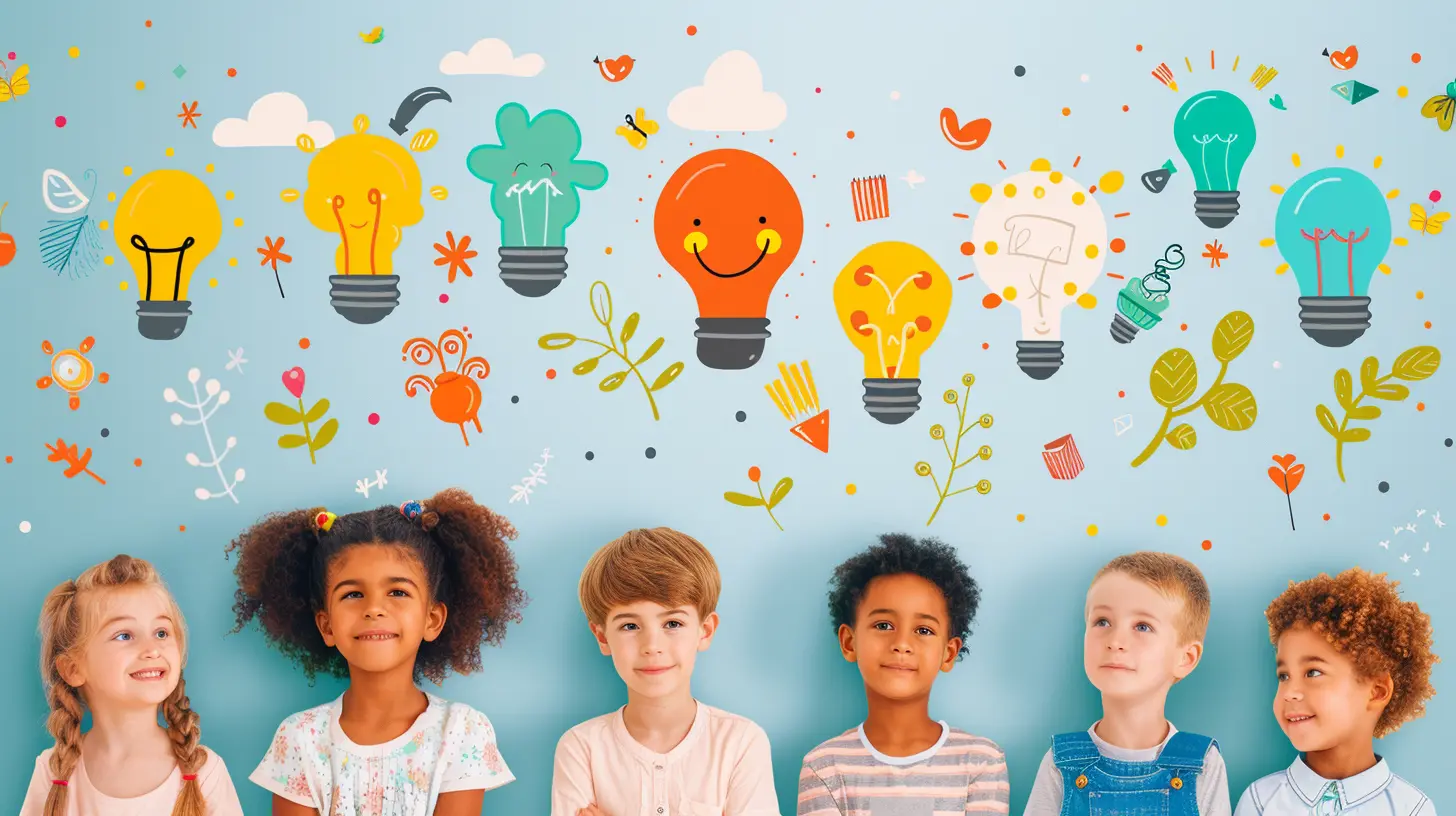
Why Growth Mindset Matters in Education
Let’s be real—learning isn’t always smooth sailing. There are tests, tough lessons, peer pressure, and the ever-present fear of failure. A growth mindset isn’t just a nice-to-have; it’s crucial.Here's why it matters:
- Boosts resilience – Students with a growth mindset don’t crumble after setbacks.- Improves academic performance – Believing you can grow often leads to trying harder.
- Encourages lifelong learning – Who doesn’t want to keep getting better at stuff?
But here’s the catch: fostering a growth mindset doesn’t happen in isolation. It needs an environment that supports emotional growth, self-awareness, and relationship skills.
That’s where Social-Emotional Learning steps into the spotlight.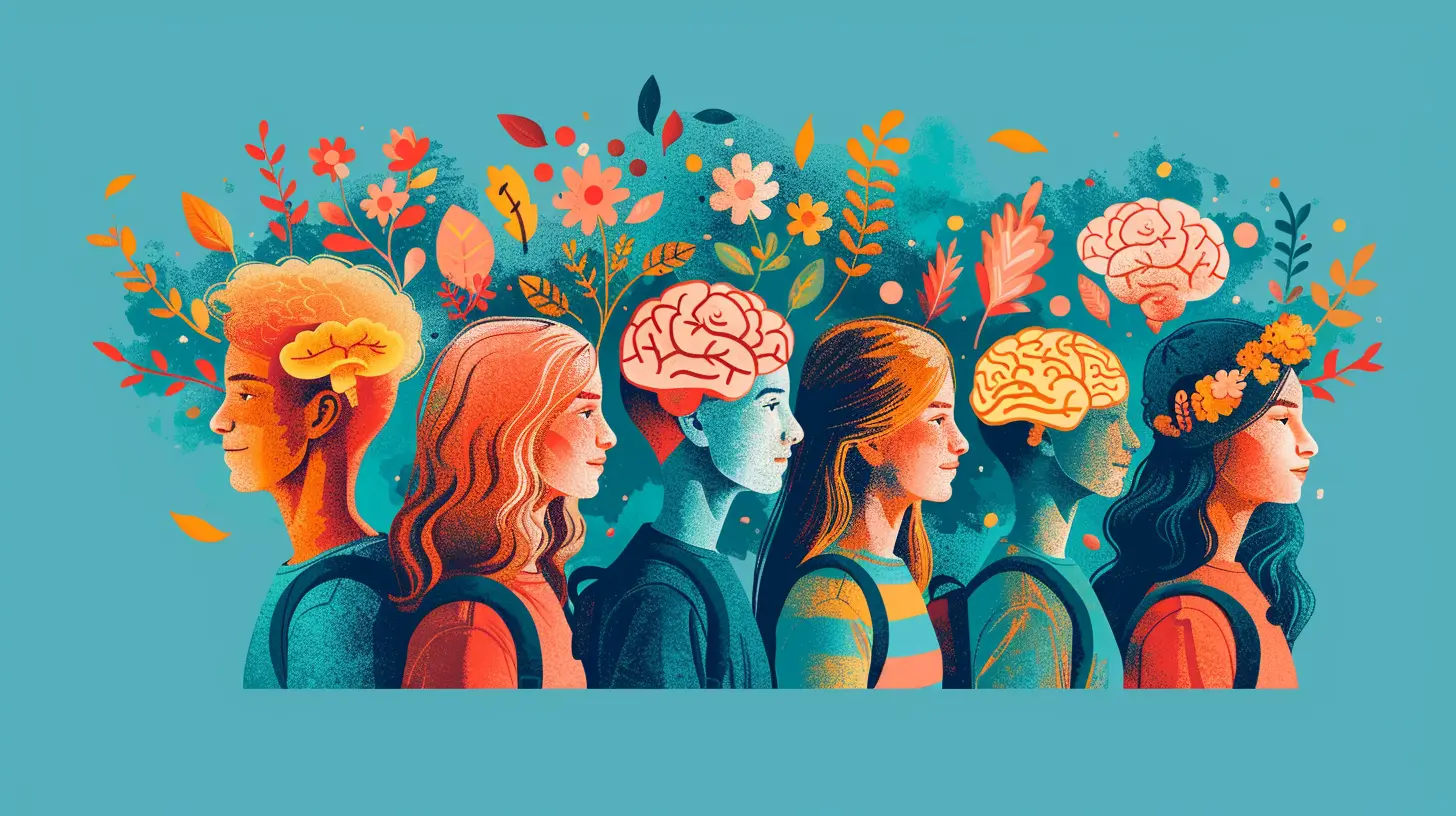
The Power of Social-Emotional Learning (SEL)
Let’s strip away the jargon—social-emotional learning is really about helping students manage emotions, build relationships, make thoughtful decisions, and develop empathy. It’s the soft skills side of education, and it's absolutely essential.SEL programs typically target five key areas:
1. Self-awareness
2. Self-management
3. Social awareness
4. Relationship skills
5. Responsible decision-making
These aren’t just “nice” things to teach. They lay the emotional groundwork that makes a growth mindset possible.
Think of it like this: trying to build a growth mindset without SEL is like trying to plant a tree without soil. The mindset won’t stick if the emotional and social foundation isn’t there to support it.
How SEL Fuels a Growth Mindset
Alright, let’s connect the dots. How exactly does social-emotional learning promote a growth mindset?1. Self-Awareness Teaches Kids to Reflect, Not React
Self-awareness helps students recognize their own thought patterns and emotional responses. So instead of reacting emotionally to a setback (“I stink at this!”), they can pause and reflect (“What can I do differently next time?”).That’s powerful. It turns emotional meltdowns into learning opportunities.
2. Self-Management Builds Perseverance
We’re not born knowing how to regulate frustration, stress, or distraction. SEL teaches techniques like mindfulness, breathing, and goal-setting. Students who can manage their emotions are more likely to stick with a task—even when it’s hard.It’s like giving them an emotional toolkit to keep pushing forward.
3. Social Awareness Helps Students Accept Feedback
Receiving critique can feel like a personal attack—especially for students with a fixed mindset. But SEL promotes empathy and perspective-taking. Students learn that feedback isn’t criticism; it’s a roadmap for growth.That simple mindset shift can totally change how a child receives correction.
4. Relationship Skills Normalize Asking for Help
Guess what? Achieving a growth mindset doesn’t mean doing everything alone. Collaboration and communication are key. SEL teaches students how to ask questions, trust peers, and seek support.When asking for help is normalized, learning becomes a communal experience—not a solitary struggle.
5. Responsible Decision-Making Promotes Ownership
When students are taught to weigh choices and consequences, they start to own their learning. They move from passive participants to active decision-makers. That sense of control fuels intrinsic motivation—and reinforces the idea that growth is a choice.Strategies Educators Can Use to Foster Both SEL and Growth Mindset
Let’s get practical now. Theory is great, but what does this look like in the classroom?Here are some strategies that educators can use right away:
✔️ Create a Safe and Supportive Environment
Nothing kills willingness to grow faster than fear of judgment. Make your classroom a space where failure is not only okay—it’s welcomed as part of the process.Celebrate mistakes. Share stories of your own struggles. It makes learning feel human.
✔️ Use Growth-Oriented Language
Language matters. A lot. Saying “You’re so smart” might sound nice, but it reinforces a fixed mindset. Instead, try phrases like:- “I love the strategies you used”
- “You worked really hard on this”
- “What part was the most challenging for you?”
Words shape beliefs—use them wisely.
✔️ Integrate Reflection into Daily Practice
Have students journal about their learning process. Ask reflective questions like:- What did you learn from your mistakes today?
- What’s one thing you’d do differently next time?
- How did you feel when you faced a challenge?
Reflection is like the gym for self-awareness—it builds those emotional muscles.
✔️ Model Growth Mindset Behavior
This one’s simple: walk the talk. If you mess up a lesson or get something wrong, own it.Say, “Wow, I didn’t teach that the best way—let me try again.” When students see you treating mistakes as learning opportunities, they’re more likely to do the same.
✔️ Use Literature and Media that Show Emotional Growth
Stories are powerful teaching tools. Choose books or films that showcase characters evolving over time, facing adversity, and learning from it.Even better—discuss those stories. Ask students how the character might’ve used self-management or relationship skills.
Addressing the Challenges
Now, let’s not sugarcoat it. Fostering a growth mindset through SEL isn’t always a walk in the park. You might face:- Resistance from students – Some kids are deeply ingrained in fixed mindsets.
- Lack of time – Between curriculum demands, where does SEL fit in?
- Inconsistent support – Not every school or staff member may be on board.
But here’s the good news: small, consistent efforts can make a big impact. Even 10-minute activities around emotional reflection or growth-oriented feedback can shift the classroom culture.
And when students start embracing mistakes instead of fearing them? That’s when the magic happens.
How Parents Can Join the Journey
Education doesn’t stop at the classroom door. Parents play a big role in shaping mindset and emotional development.Encourage parents to:
- Praise effort over outcome
- Share their own learning journeys (including the bumpy parts)
- Reinforce SEL concepts at home (like empathy and problem-solving)
When home and school are on the same page, kids get a double dose of growth mindset messaging.
Long-Term Benefits of Marrying SEL and Growth Mindset
Wondering if all of this really pays off? Research says yes.Students who experience both SEL and growth mindset instruction tend to:
- Have higher academic achievement
- Show more positive social behaviors
- Experience less anxiety and depression
- Become more resilient and motivated learners
In other words, you’re not just teaching them how to be better students—you’re helping them become more capable, compassionate human beings.
Final Thoughts: Mindset Is the Soil, SEL Is the Water
Think of a student’s potential like a seed. A growth mindset is the soil that gives it a place to thrive. Social-emotional learning is the water that helps it grow.Without either, that seed could stay dormant forever.
But with the right mindset and emotional support, there’s no limit to what that seed can become—academic achiever, creative thinker, empathetic leader, resilient problem-solver.
So let’s not wait. Let’s start fostering a growth mindset with social-emotional learning today. Our students deserve nothing less.
all images in this post were generated using AI tools
Category:
Social Emotional LearningAuthor:

Olivia Lewis
Discussion
rate this article
1 comments
Deborah West
Embracing social-emotional learning is essential for cultivating a growth mindset and empowering students to thrive.
June 4, 2026 at 3:16 AM
Olivia Lewis
Absolutely! Social-emotional learning lays the foundation for resilience and adaptability, key elements of a growth mindset.