How AI is Transforming the Modern Classroom"
21 March 2026
Artificial Intelligence — it’s not just for sci-fi movies or tech geeks anymore. It’s creeping into almost every aspect of our lives, and guess what? The classroom is no exception. Whether you're a student, parent, or educator, chances are you’ve already brushed shoulders with AI without even realizing it. So, what’s all the buzz about? Let’s break it down and talk about how AI is shaking up the way we learn, teach, and engage in today’s classrooms.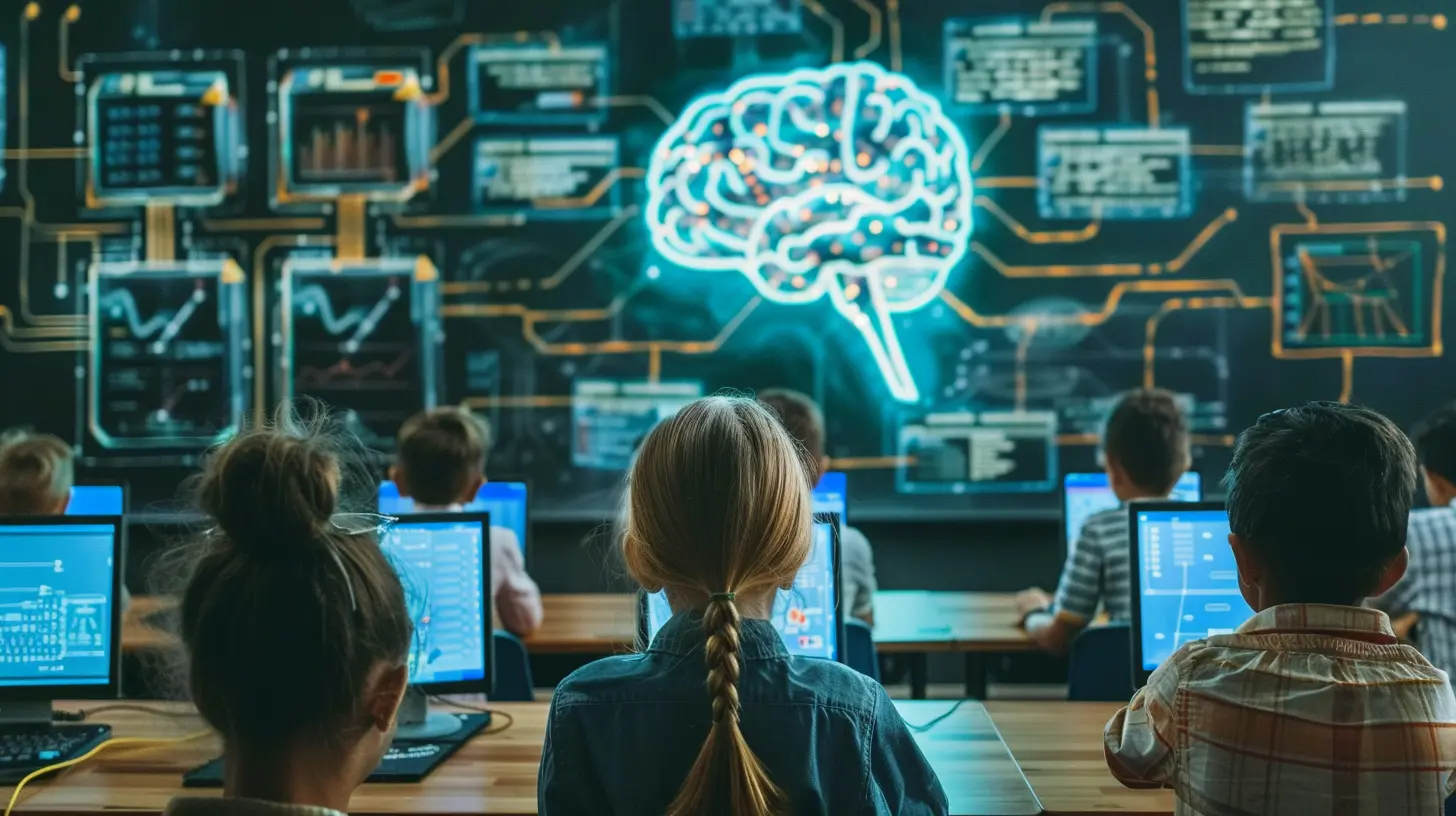
What Is AI, Really?
Before we dive in headfirst, let’s clear something up. When we say "AI," we're not just talking about robots taking over the world. In the classroom context, AI (Artificial Intelligence) is all about smart systems that can analyze data, learn from patterns, and make decisions... kind of like a super-efficient digital assistant.These tools help automate tasks, personalize learning, and even manage classrooms more effectively. Sounds cool, right? But what does that actually look like in practice?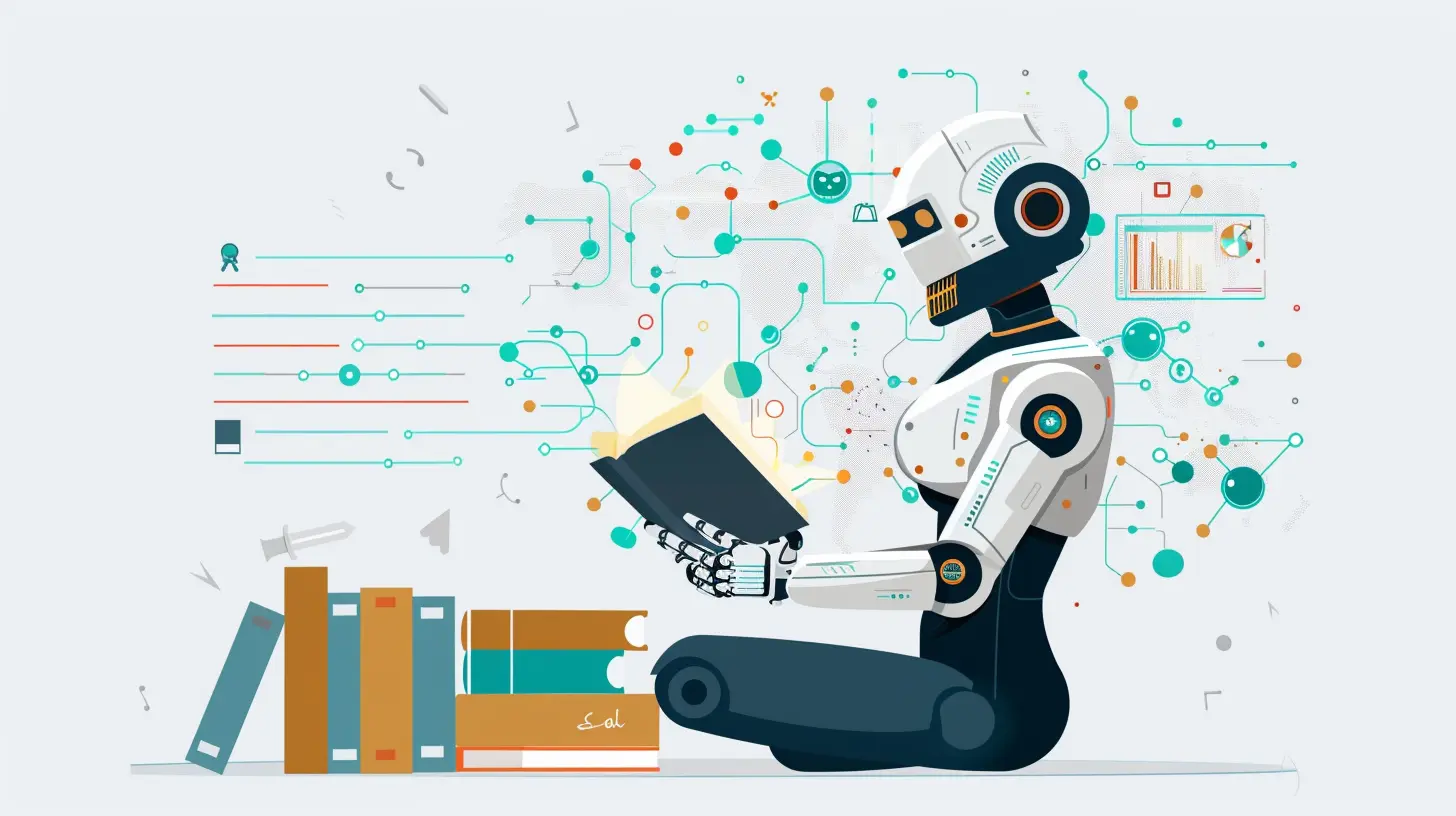
Personalized Learning: One Size No Longer Fits All
Remember those days when every student had to learn the same thing at the same pace? Yeah, those days are fading fast. AI is making education personal — like, tailored-suit personal.Adaptive Learning Platforms
AI-driven platforms like Khan Academy, DreamBox, and IXL adjust content based on how a student performs. If Sarah flies through algebra but struggles with fractions, the system notices and adapts. It might give her extra help where she’s stuck and less redundancy where she's already mastered the topic.Learning at Your Pace
This tech lets students learn at their own speed. No more holding back the fast learners or leaving behind the ones who need more time. It's like having a personal tutor available 24/7, without the hourly fee.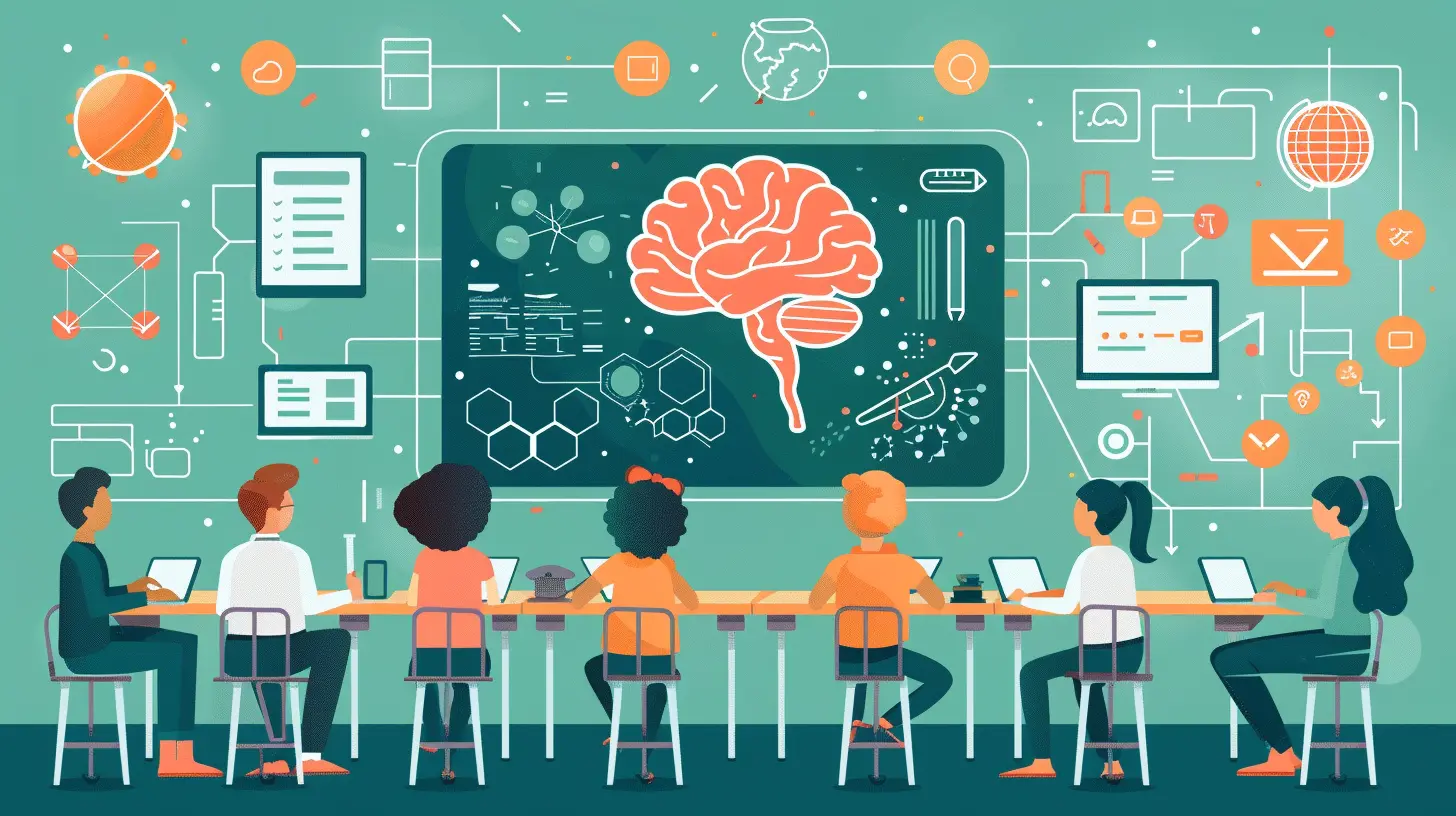
Teachers Are Superheroes — AI Just Helps with the Cape
Let’s set the record straight: AI is not replacing teachers. It’s more like giving them superpowers.Automating the Mundane
Think grading multiple-choice tests, managing schedules, or tracking attendance. With AI handling the boring stuff, teachers get more time to do what they do best — teach, mentor, and inspire.Real-Time Feedback
AI tools give immediate feedback — not just to students but to teachers, too. Platforms can show which concepts the whole class is struggling with, helping educators adjust their lessons on the fly.
Smart Content and Digital Tools: The Textbook’s Makeover
Textbooks are getting a digital facelift, and it’s about time.Interactive Content
Forget reading dusty old chapters. AI can turn static content into interactive simulations, videos, and games. Imagine learning about the solar system by virtually flying through it on your screen — it’s not just more fun, it sticks better.Automated Content Creation
AI can also help create quizzes, flashcards, even full lessons, often custom-tailored to the needs of a specific class or learner. So educators spend less time prepping and more time teaching.Language Learning Gets a Boost
Ever tried learning a new language? It’s tough. Thankfully, AI’s got our back here too.Chatbots as Language Partners
Language learning apps like Duolingo use AI to simulate conversations. You can "talk" with chatbots that correct your grammar, pronunciation, and vocabulary on the go.Real-Time Translation
AI can now translate speech and text in real-time. This is a game-changer for ESL (English as a Second Language) students trying to keep up in class. It levels the playing field and cuts down the frustration.Special Education: Inclusion Powered by AI
AI is making classrooms more inclusive — and that’s huge.Assistive Technologies
From speech-to-text software for students with disabilities to personalized learning apps for those with autism or ADHD, AI tools are breaking down barriers and giving everyone a fair shot at education.Emotion Recognition
We’re even seeing AI tools that recognize facial expressions and voice tones to detect when a student is frustrated or confused. That feedback goes to the teacher, who can step in before the student falls too far behind.Virtual Classrooms and Remote Learning
The COVID-19 pandemic threw us into the deep end of remote learning. While it was rough, it also showed how AI could step in and smooth the waters.Virtual Proctoring
No more cheating during online exams? AI-powered proctoring tools monitor your screen, your webcam, even your keystrokes. A bit intense, sure — but effective.Intelligent Scheduling
AI can help manage large remote classrooms by automatically scheduling assignments, monitoring progress, and sending reminders. It keeps the whole system running like a well-oiled machine.Data-Driven Decision Making
AI isn't just helping with the surface-level stuff. It’s also under the hood, crunching numbers and offering insights that were impossible before.Predictive Analytics
Schools can now predict which students are at risk of failing — weeks or even months in advance. That early warning gives teachers and parents a chance to step in and support the student before things spiral.Customized Curriculum Development
Administrators are using AI-generated insights to tweak curriculums based on what works and what doesn’t. It’s like having a crystal ball, but backed by data.Challenges and Ethical Considerations
Okay, it’s not all sunshine and rainbows. With great power comes great responsibility, right?Privacy Concerns
All that data AI collects? Yeah, there’s a risk. Who owns it? How secure is it? Parents and schools need to keep a close eye on privacy policies and data protection.Digital Divide
Let’s not forget — not every student has access to the internet or a laptop. If AI is the future, we need to make sure it’s a future everyone can afford to be part of.Bias in Algorithms
AI systems are only as good as the data they’re trained on. If that data is biased, the AI will be too. There’s a growing need to build fair, transparent systems that don’t unintentionally penalize certain groups.The Future of AI in Classrooms: Where Are We Headed?
So, what’s next? Will we all be taught by robots one day? Probably not — but your next math tutor might be an AI, and your homework helper could be a chatbot.AI is expected to become even more embedded in education:
- Virtual Reality classrooms powered by AI avatars.
- Advanced emotion-sensing tools that adapt lessons instantly.
- Lifelong learning platforms that follow you from kindergarten to your career.
It’s an exciting ride, and we’re just getting started.
Final Thoughts
AI is transforming the modern classroom in ways that were unthinkable just a decade ago. It’s not perfect, and there are kinks to iron out, but the potential is massive.If we keep our eyes open, stay critical, and use AI to complement — not replace — human interaction, we’re looking at a future where education is more engaging, personalized, and inclusive than ever before.
Who wouldn’t want that?
all images in this post were generated using AI tools
Category:
Classroom TechnologyAuthor:

Olivia Lewis
Discussion
rate this article
2 comments
Sloane Velez
AI in the classroom? Great! Now, if only it could help my students remember where they left their homework... or transform my coffee into an A+! ☕️🤖📚
March 27, 2026 at 3:56 AM
Olivia Lewis
Sounds like we need a homework-finding app and a coffee upgrade feature next! Humor aside, AI is definitely making education more engaging.
June Kelly
This article beautifully highlights the transformative power of AI in education. Embracing these innovations can enhance learning experiences and prepare students for future challenges. Exciting times are ahead for educators and learners alike!
March 22, 2026 at 3:51 AM
Olivia Lewis
Thank you for your insights! I'm glad you found the article resonates with the exciting changes AI brings to education. It's a thrilling time for all involved.