How Art Enhances Emotional and Cognitive Growth
19 June 2026
Ever found yourself lost in a painting or humming along to a melody that stirs something deep inside? That’s not just art working its magic—it’s actually helping your brain and emotions grow in ways you might never have imagined. Art isn’t just about pretty pictures or catchy tunes; it’s a powerful tool for emotional healing, brain development, and so much more.
In today’s fast-paced world, filled with screens and constant stimuli, it’s easy to overlook the quiet but powerful impact of art on our minds and hearts. Whether you're doodling in a sketchpad, molding clay, or visiting an art museum, you’re engaging in something far more than a pastime—you're investing in emotional well-being and mental agility.
Let’s dive into the heart of how art not only touches our souls but also fine-tunes our brains.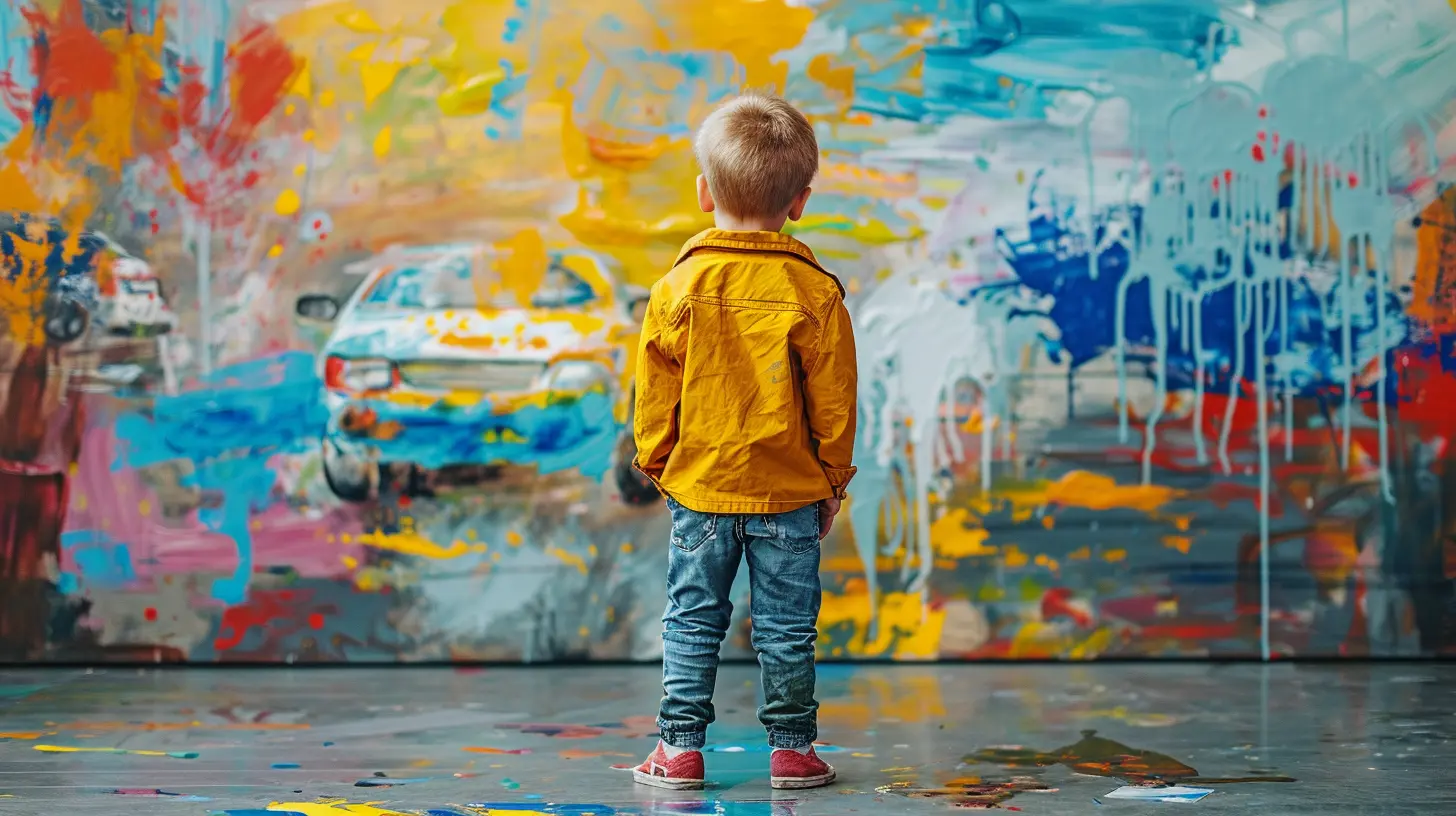
What Does Emotional and Cognitive Growth Mean Anyway?
Before we unpack the role of art, let’s break down the terms a bit.Emotional growth is about how we understand, express, and manage our feelings. It’s what helps us connect with people, handle life’s ups and downs, and build healthy relationships.
Cognitive growth, on the other hand, refers to how we think, learn, reason, and remember things. It’s all about making decisions, solving problems, and processing information.
So, where does art fit in?
Spoiler: Right in the sweet spot between the two.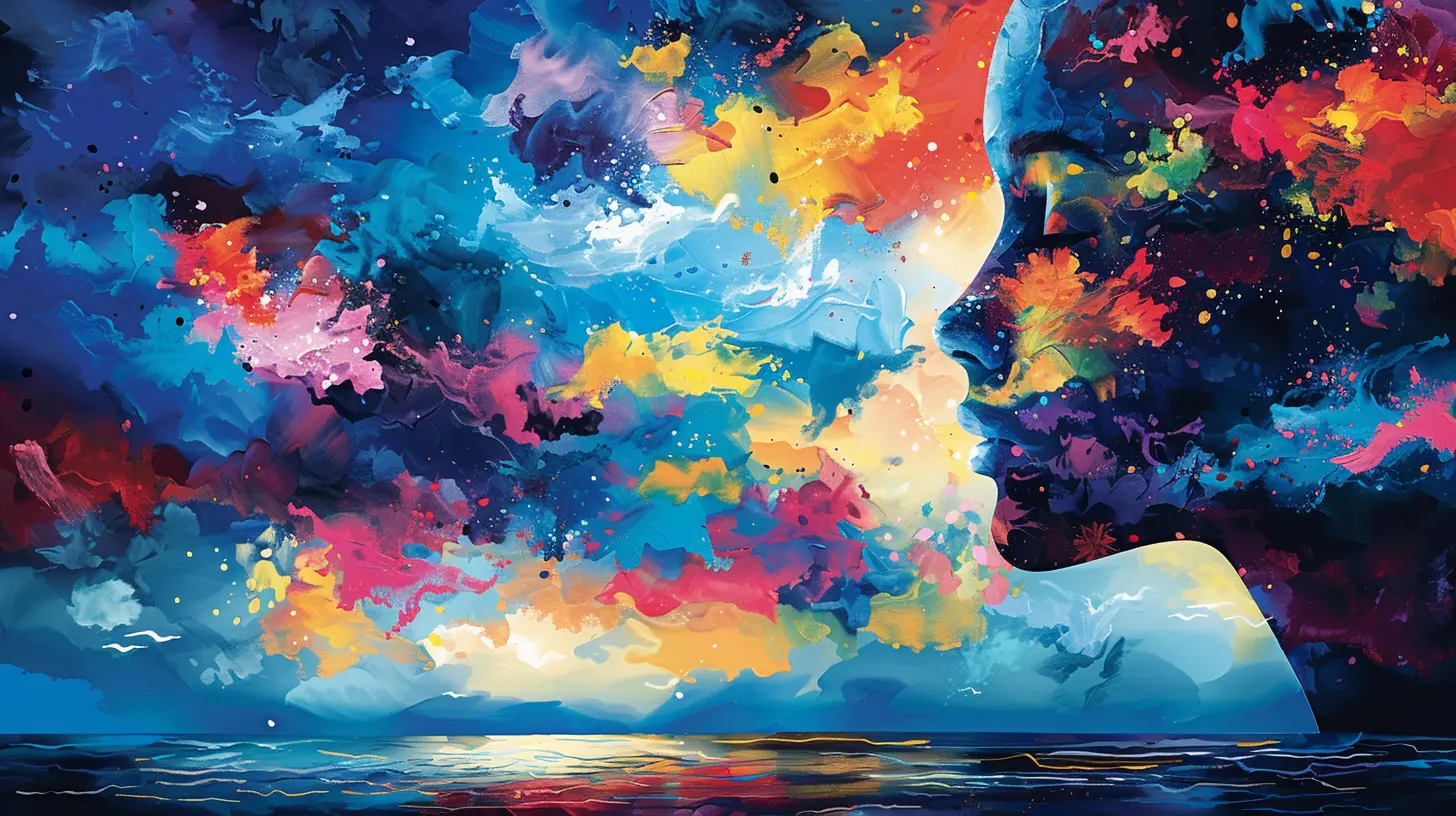
Art Is More Than Just A Hobby—It’s Brain Food
You might think painting or playing music is just for relaxation or fun. And you’d be right—but that’s only part of the story. Engaging in creative arts activates multiple parts of the brain at once, from those responsible for emotions to areas involved in memory, attention, and problem-solving.Stimulating the Brain Like a Workout
Think of the brain like a muscle. The more you use it in different ways, the stronger it gets. Creating or even observing art lights up pathways in both the left and right hemispheres:- The left brain handles logic, language, and analytical thinking.
- The right brain manages creativity, intuition, and emotional expression.
Art brings both sides together in a beautiful mental tango.
Encouraging Neuroplasticity
Ever heard of neuroplasticity? It's the brain's ability to reorganize itself by forming new neural connections. Creative activities like drawing, sculpting, or writing stories encourage this adaptability, which helps improve memory, attention, and learning capacity.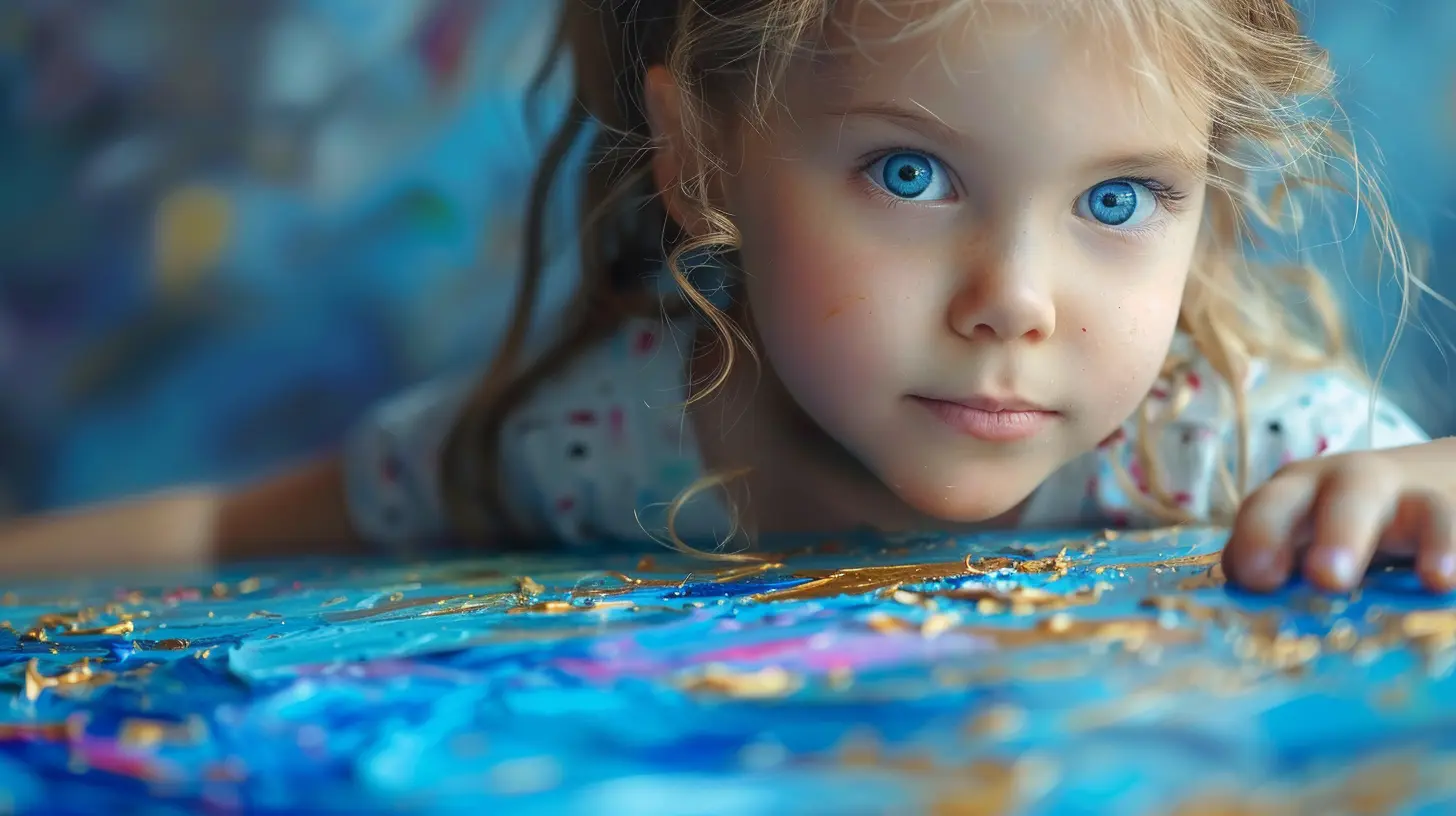
Art As A Mirror: Reflecting And Managing Emotions
Life can get messy. Sometimes, we don’t have the words to express what we’re feeling—or maybe we don’t even know what we’re feeling. That’s where art steps in.A Safe Space for Emotions
Art gives us a safe, non-verbal way to let things out. Whether it’s anger, joy, sadness, or even love, we can pour those emotions into a sketchbook or onto a canvas. And the best part? There's no wrong way to do it.Emotional Regulation in Real-Time
Ever feel calmer after doodling or zoning out while coloring? That’s because making art can lower cortisol levels (your stress hormone) and boost dopamine (your feel-good chemical). It’s like therapy, minus the couch.Building Empathy and Understanding
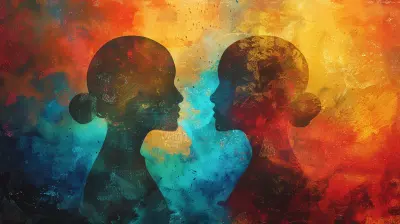
Art allows us to step into someone else’s shoes—whether it's through a character in a film, a portrait, or a piece of music. This fuels empathy and helps us better understand different perspectives, which is a cornerstone of emotional growth.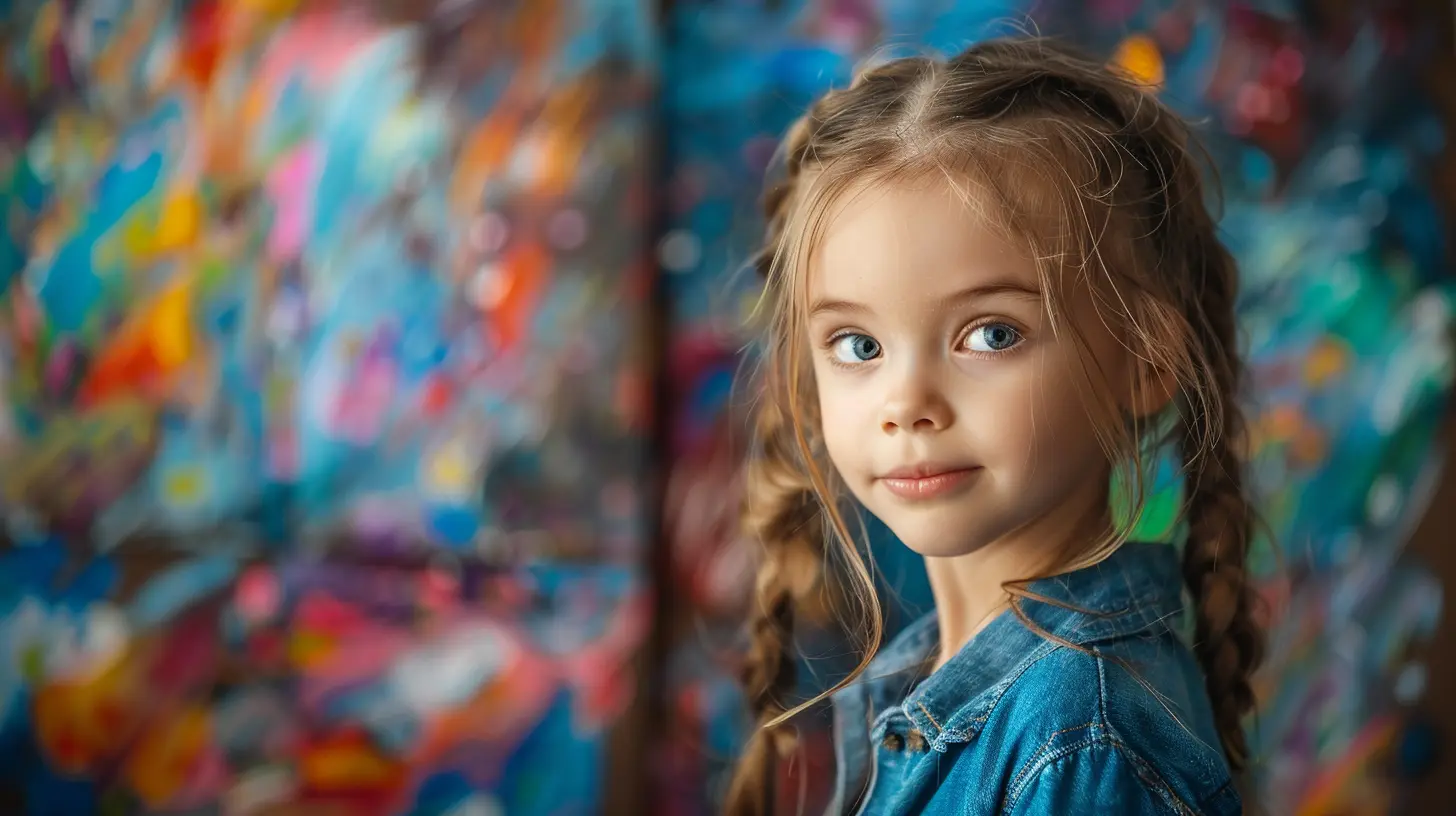
Art in Education: A Hidden Superpower
Here’s the kicker—art isn’t just good for mental health; it gives kids (and adults) a serious boost in brainpower too. Schools that integrate arts into their curriculum often see improvements in academic performance, classroom engagement, and even attendance.Enhancing Critical Thinking
When kids interpret a painting or compose a poem, they’re analyzing, making connections, and thinking outside the box. That’s critical thinking at its best.Improving Focus and Discipline
Practicing an instrument or working on a sculpture requires time, patience, and attention to detail. These are the same skills needed for solving math problems or writing essays.Strengthening Communication Skills
Expressing yourself through art teaches you how to convey thoughts and feelings clearly—something that’s useful whether you’re making friends or giving a presentation.Art Therapy: Healing From The Inside Out
Art therapy isn’t just a buzzword—it’s a legit form of treatment used by professionals to help people through trauma, anxiety, depression, and more.Non-Verbal Relief for Deep Pain
Sometimes words aren’t enough. Trauma, especially, can be buried so deep it’s hard to talk about. Creating art gives people a way to release those feelings safely and start the healing process.Helping Children and Adults Alike
Children, especially those with learning or developmental challenges, often benefit enormously from art therapy. But it’s not just for kids—adults dealing with grief or PTSD also find comfort and clarity through creative expression.The Social Side of Art: Connection and Collaboration
Art doesn’t have to be a solo act. In fact, some of the most powerful art experiences happen when we’re creating with others.Building Community
Whether it’s a group mural, a band performance, or a writing workshop, collaborative art brings people together. Shared creative experiences foster social bonds and a sense of belonging.Breaking Down Barriers
Art transcends language, culture, and physical ability. It’s a universal language that can unite people across differences, opening doors to understanding and collaboration.Everyday Artistic Habits to Boost Growth
You don’t need to be the next Picasso or write like Shakespeare to benefit from art. Here are simple ways to bring more creativity into your life:- Keep a sketchpad or journal to doodle or jot down thoughts.
- Try a DIY craft project on a lazy weekend.
- Listen to music mindfully—pay attention to the lyrics or instruments.
- Visit a local art gallery or museum and really study the pieces.
- Take up dance, photography, or pottery—anything that lets you express yourself.
The key? Just start. No one’s judging. The goal isn’t to be perfect—it’s to grow.
Art and Technology: A New Frontier
In the age of digital everything, art has found new platforms. Digital painting, animation, music production software—it’s all art, but reimagined.Tech-enhanced art offers even more cognitive benefits. New tools challenge the brain in fresh ways, demanding both technical know-how and creative stamina. Plus, digital art invites broader participation—people who may not have access to traditional materials can still create and express themselves.
Final Thoughts: Why We All Need a Little More Art
Let’s face it—life gets noisy. Between deadlines, to-do lists, and nonstop notifications, it’s easy to overlook the quiet joy of creating. But art isn’t just a way to pass the time—it’s a lifeline. It gives your soul a voice and your brain a boost.From toddlers scribbling with crayons to seniors exploring watercolor, the benefits of art are universal and lifelong. It calms our minds, sharpens our thinking, connects us to others, and helps us make sense of the world around us—and within us.
So go ahead. Pick up that brush. Write that poem. Lose yourself in music. Whatever your creative jam is, just know you’re doing something amazing for your emotional and cognitive growth.
all images in this post were generated using AI tools
Category:
Child DevelopmentAuthor:
Olivia Lewis
Discussion
rate this article
1 comments
Elise McCarthy
Art truly nurtures our minds and hearts beautifully.
June 19, 2026 at 11:47 AM
Olivia Lewis
Absolutely, art has a unique way of enriching our emotional experiences and boosting cognitive skills. It really connects us on a deeper level.