How Mentorship Programs Are Changing Learning Paths by 2026
10 May 2026
Let me ask you something. Remember that one teacher, coach, or older cousin who took the time to show you the ropes? The one who didn't just hand you a textbook but actually walked you through the messy, confusing parts of learning something new? That feeling of having someone in your corner is about to become the backbone of how we learn in just a couple of years.
By 2026, mentorship programs aren't going to be a nice-to-have extra in education. They are going to be the main course. We are seeing a massive shift right now from the old "sit down, shut up, and memorize" model to something that actually works for real human brains. And the secret sauce is connection.
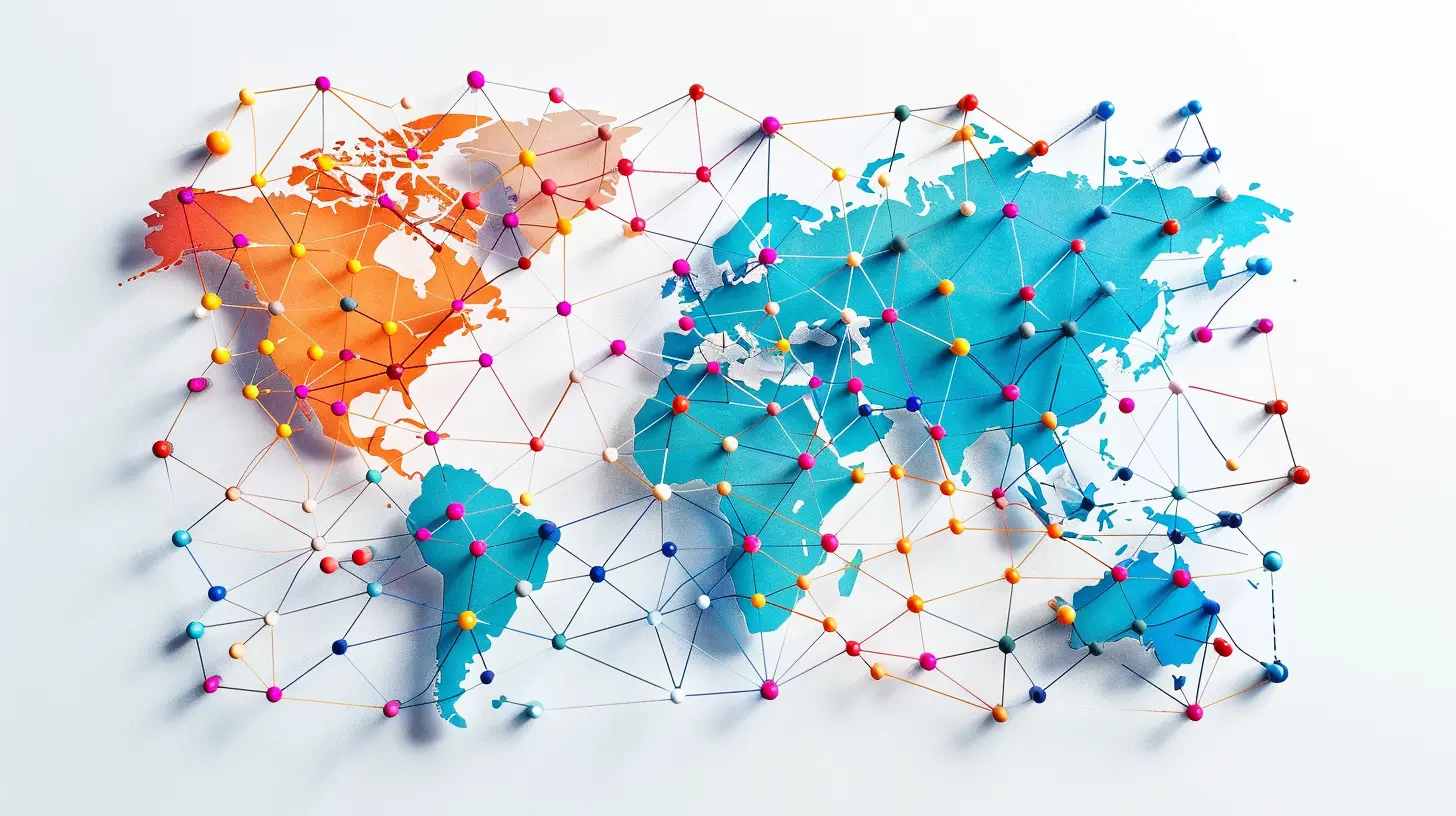
Why Old School Learning Is Cracking at the Seams
Let's be honest. The traditional education system has been running on fumes for a while. You sit in a lecture hall with 200 other people, listen to someone talk for an hour, and then try to cram facts into your head for a test. It works for some people, sure. But for most of us? It feels like trying to fill a leaky bucket with a garden hose.The problem is that information is everywhere now. You can Google anything in two seconds. But knowing a fact and actually understanding how to use it are two completely different things. That gap between "I know the definition" and "I can do this in real life" is exactly where mentorship steps in.
By 2026, we won't be paying for information. We will be paying for guidance, for feedback, and for someone to tell us when we are going down a stupid rabbit hole. That is what mentorship does. It turns information into wisdom.

The Mentorship Revolution: What's Actually Changing
So, what does this look like in practice? It is not just about an old professor taking a young student out for coffee once a month. The whole concept of mentorship is getting a serious upgrade.From One-Size-Fits-All to Hyper-Personalized Paths
Think about the last time you tried to learn something online. You probably started with a course, got bored in week two, and quit. Sound familiar? That is because most learning paths are designed for the average person. And the average person doesn't exist.Mentorship programs in 2026 will flip this completely. Instead of you fitting into a rigid curriculum, the curriculum will bend around you. A mentor watches how you think, where you struggle, and what excites you. They adjust the learning path in real time.
Imagine you are trying to learn coding. A traditional course says "Do these 10 modules in order." A mentor says, "I see you are getting frustrated with syntax errors. Let's skip module 4 for now and build a simple game instead. You will learn the syntax by breaking things and fixing them." That is the difference between a learning path that feels like a chore and one that feels like an adventure.
The Death of the Solo Learner
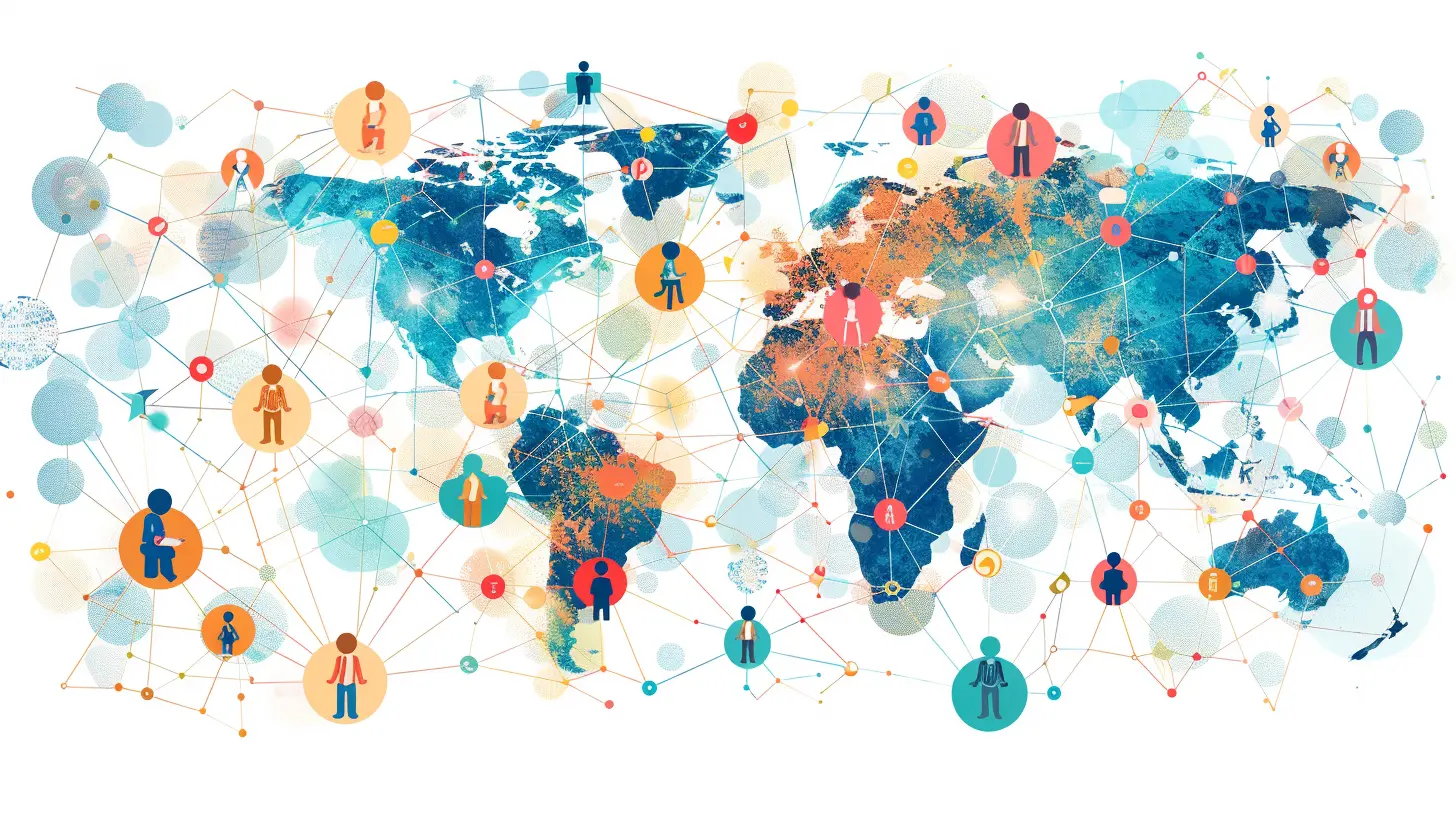
We have been sold this myth that learning is a solitary activity. You lock yourself in a room with a book and emerge smarter. That is a lie. Humans are social creatures. We learn best when we are talking, arguing, and collaborating.By 2026, mentorship will destroy the idea of the solo learner. Programs are being designed as ecosystems. You don't just have one mentor. You have a network. A primary mentor guides your big picture. Peer mentors help you with the daily grind. And sometimes, you mentor someone else, which is the fastest way to solidify your own knowledge.
This network effect is powerful. It creates accountability. It creates motivation. And it creates a sense of belonging that a YouTube tutorial can never provide.
AI-Powered Human Mentors
Now, I know what you are thinking. "Is AI going to replace mentors?" No. Absolutely not. But AI is going to make human mentors ridiculously more effective.Think of AI as the assistant that does the boring stuff. It tracks your progress, identifies patterns in your mistakes, and suggests resources. It handles the administrative overhead so the human mentor can focus on what matters: the emotional support, the tough questions, and the creative problem-solving.
By 2026, a mentor will walk into a session with a dashboard that says, "Your student has been struggling with this concept for three days. They seem to learn better with visual examples. Here are three case studies that might click for them." That is not the mentor being replaced. That is the mentor being supercharged.
The 2026 Mentorship Model: A Practical Breakdown
Let's get specific. What does a mentorship program look like in 2026? It is not a vague "check in once a week" thing. It is structured, data-driven, and deeply human.The "Apprenticeship 2.0" Model
We are seeing a massive return to the apprenticeship model, but updated for the digital age. Instead of learning theory for two years and then trying to apply it, you learn by doing from day one.A mentor gives you a real project on day one. It is small, maybe even trivial. But it is real. You work on it, get feedback, fix it, and move to the next one. By the end of the program, you have a portfolio of work, not a certificate. And the mentor isn't just grading you. They are working alongside you, showing you how they think through problems.
This model is already taking off in tech fields, but by 2026, expect to see it in healthcare, trades, creative arts, and even business management. It works because it respects your time and your intelligence.
Micro-Mentorships for Micro-Skills
Not every learning journey needs a year-long commitment. Sometimes you just need to get unstuck on a specific problem. That is where micro-mentorships come in.By 2026, platforms will allow you to book a 30-minute session with an expert to solve a single, specific problem. Need help negotiating a salary? Book a micro-mentor. Stuck on a piece of code? Book a micro-mentor. Want feedback on a presentation? Book a micro-mentor.
These are not relationships. They are transactions. But they are incredibly valuable transactions. They remove the friction from learning. Instead of spending three hours on YouTube trying to find the answer, you spend 30 minutes with someone who knows exactly what you need.
The Reciprocal Mentorship Loop
Here is a twist that is going to shake things up. In 2026, mentorship is not a one-way street. The old model was the wise elder pouring knowledge into the empty vessel of the young student. That is outdated.The new model is reciprocal. A senior professional mentors a junior professional on career strategy. Meanwhile, the junior professional mentors the senior on new technology, social media trends, or fresh perspectives. Both sides learn. Both sides grow.
This breaks down the hierarchy that often makes mentorship feel intimidating. It also keeps mentors humble and curious. Nobody has all the answers. By 2026, the best mentors will be the ones who are also willing to be mentored.

The Psychological Shift: Why Mentorship Works Better
Let's get into the brain science for a second. Why does mentorship actually change learning paths so dramatically?The Safety Net Effect
Learning is inherently scary. You have to admit you don't know something. You have to be vulnerable. You have to risk failure. That is terrifying for most people.A mentor creates a psychological safety net. They normalize the struggle. They say, "I made that same mistake three times. Here is how I got past it." That simple sentence removes the shame from failure. And when you remove the shame, you remove the biggest barrier to learning.
By 2026, programs that ignore this emotional component will fail. The ones that build trust and safety into the structure will thrive.
The Accountability Hook
Let's be real. Self-discipline is overrated. Most of us need external accountability to actually follow through. A mentor provides that. Not in a punishing way, but in a supportive way.When you know you have a session with your mentor on Friday, you actually do the work on Thursday. You don't want to show up empty-handed. That is a powerful motivator. It is the same reason people hire personal trainers. You could work out alone, but you don't. The trainer makes you show up.
Mentorship programs by 2026 will leverage this hard. They will build in regular checkpoints, deadlines, and public commitments. It is not about control. It is about creating a structure that makes success the path of least resistance.
The Identity Shift
This is the big one. The most profound thing a mentor does is help you see yourself differently. They don't just teach you skills. They help you adopt a new identity.A mentor doesn't say, "Here is how to write code." They say, "You are a developer now. This is how developers think. This is how developers solve problems." They invite you into a tribe. They give you a new lens to see the world through.
By 2026, the most successful learning paths will be built around identity transformation, not just skill acquisition. And that only happens through human connection.
Real-World Examples of the 2026 Shift
This is not science fiction. This is already happening. Let me give you some concrete examples of how mentorship is reshaping learning paths right now.The Coding Bootcamp Evolution
Remember when coding bootcamps were all about cramming 12 weeks of lectures? They are dying. The new ones are built entirely around mentorship. Students work on real projects with real developers. The "teachers" are industry practitioners who mentor small groups. The curriculum changes every month based on what the industry actually needs.By 2026, the bootcamp that survives will be the one that has the best mentorship ratio, not the best curriculum.
The Trades Renaissance
We are seeing a massive resurgence in skilled trades. Plumbing, electrical work, carpentry. And guess what? They never stopped using mentorship. Apprenticeships have been the gold standard for centuries.But by 2026, these programs are going digital. A master electrician in Ohio can mentor an apprentice in Texas using AR glasses. The apprentice sees what the mentor sees. The mentor annotates the real world. It is the same old apprenticeship model, but supercharged with technology.
The Corporate Learning Reset
Big companies wasted billions on generic e-learning courses that nobody finishes. They are finally waking up. By 2026, corporate learning budgets will be redirected to mentorship platforms.Companies are realizing that the best way to upskill an employee is to pair them with a senior employee who actually does the job. It is cheaper, faster, and more effective than any off-the-shelf course. And it builds internal culture at the same time.
What This Means for You
Okay, so we have covered the big picture. But what does this mean for you personally? Whether you are a student, a professional, or someone just trying to learn a new hobby, the shift to mentorship-based learning is going to change how you approach growth.Stop Looking for Courses. Start Looking for People.
If you want to learn something by 2026, your first question should not be "What course should I take?" It should be "Who can I learn from?" Seek out mentors. They are everywhere. On LinkedIn, on specialized platforms, in your own network. Most people are willing to help if you ask respectfully and show genuine interest.Be a Good Mentee
Mentorship is a two-way street. Show up prepared. Do the work. Ask good questions. Respect their time. The best mentees make the best mentors later. If you treat the relationship as a transaction where you just take, it will fail. If you treat it as a partnership where you both grow, it will change your life.Start Mentoring Now
You don't need to be an expert to mentor someone. You just need to be one step ahead. If you know something that someone else doesn't, you can mentor them. It will force you to clarify your own thinking, build your communication skills, and give you a sense of purpose.By 2026, the people who thrive will be the ones who are constantly both learning and teaching. The line between student and teacher will blur until it disappears.
The Challenges We Still Face
I don't want to sound like everything is perfect. The mentorship revolution has some serious hurdles.Scale Is Hard
One-on-one mentorship is expensive and time-consuming. Scaling it to millions of learners without losing quality is a massive challenge. Technology will help, but it is not a magic bullet. We will need creative solutions like group mentorship, peer-to-peer networks, and hybrid models.Quality Control
Not every mentor is a good mentor. Some people have the knowledge but lack the teaching ability. Some are just bad at communication. Programs need to vet, train, and support mentors. A bad mentor can do more harm than good.Access and Equity
Right now, the best mentorship is often reserved for the privileged. The well-connected students get the best guidance. By 2026, we need to make sure mentorship programs are accessible to everyone, regardless of background. That means affordable pricing, free tiers, and intentional outreach to underserved communities.
The Final Picture
So, here is where we are heading. By 2026, learning will look less like a classroom and more like a workshop. It will be messy, hands-on, and deeply personal. You will have a guide, not a lecturer. You will build real things, not just memorize abstract concepts. You will fail, get feedback, and try again. And through it all, you will have someone who believes in you.Mentorship is not just changing learning paths. It is changing how we think about potential. It is saying that everyone has something to contribute, and everyone has something to learn. It is the oldest human tradition, updated for a world that desperately needs connection.
So, who is your mentor? And who are you mentoring? The answers to those questions will determine your learning path for the next few years. Don't wait for 2026 to figure it out. Start now.
all images in this post were generated using AI tools
Category:
Education TrendsAuthor:

Olivia Lewis
Discussion
rate this article
2 comments
Zephyris Parker
Mentorship fosters real growth, but accessibility remains crucial.
July 21, 2026 at 3:35 AM
Sage Carrillo
Mentorship programs are revolutionizing education, guiding students toward personalized and meaningful learning experiences.
May 27, 2026 at 11:37 AM
Olivia Lewis
I appreciate your thoughts. Mentorship is indeed transforming education by making learning more tailored and impactful for students.