How SEL Can Bridge the Achievement Gap
25 December 2025
In today's education system, we talk a lot about grades, test scores, and academic performance. And while those things definitely matter, there’s a bigger conversation that often gets left in the shadows—emotional well-being. Students aren't just test-takers; they’re human beings with emotions, challenges, and stories.
So let’s talk about one of the most powerful, yet underrated tools in education that’s making a massive difference—not just in academics, but in life: Social-Emotional Learning (SEL). And more importantly, let’s dig into how SEL can bridge the achievement gap that’s been plaguing our school systems for decades.
What Is SEL, Really?
Let’s break it down. Social-Emotional Learning, or SEL, is all about helping students develop the skills they need to manage their emotions, build strong relationships, make good decisions, and show empathy. It’s teaching kids how to be human, not just how to get an A+.We’re talking about five core competencies here:
- Self-awareness
- Self-management
- Social awareness
- Relationship skills
- Responsible decision-making
All of these are skills we use every single day. And honestly, they’re just as critical as reading or math—maybe even more so.
The Achievement Gap: What Are We Up Against?
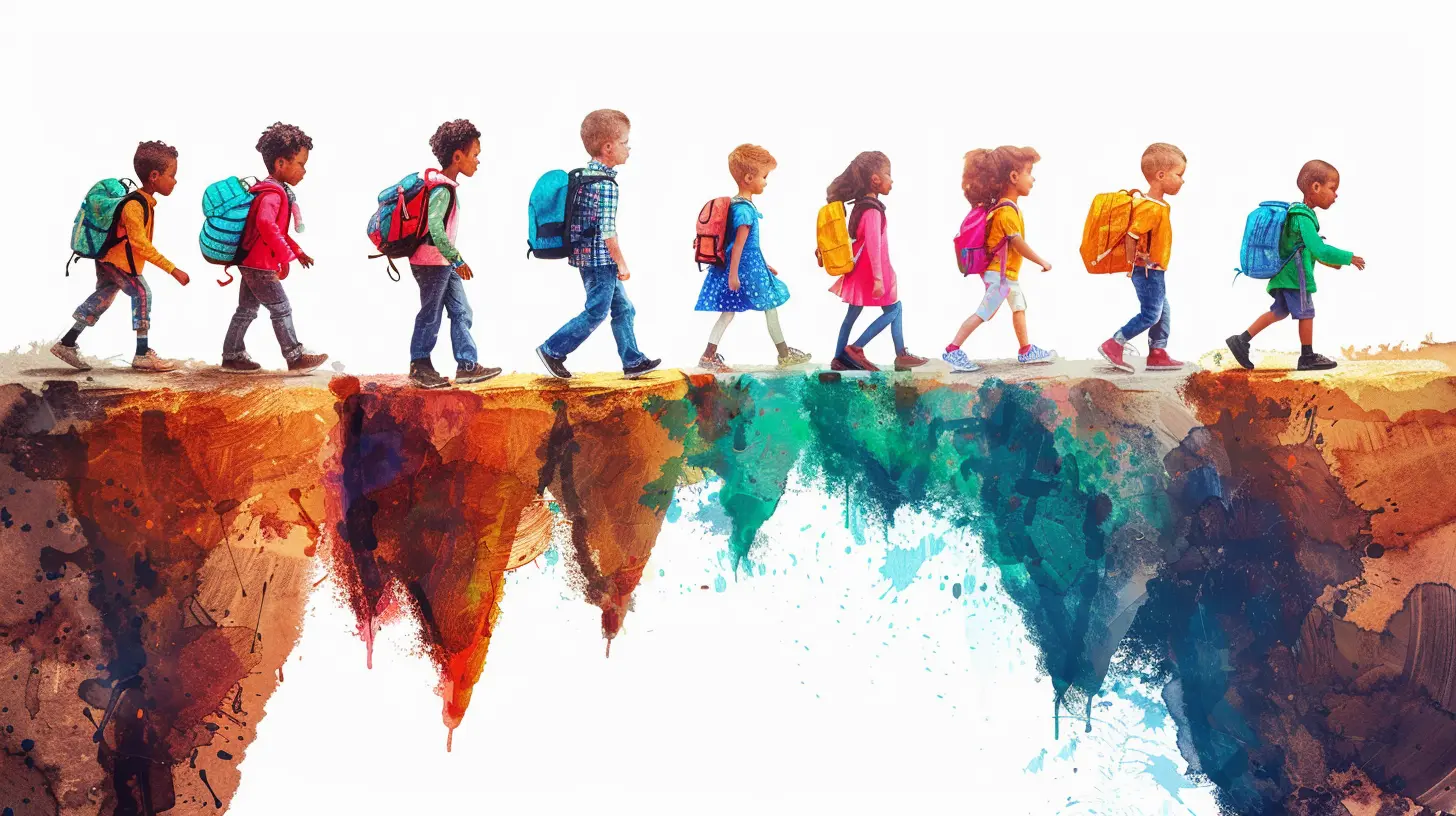
Now, before we unpack how SEL plays superhero, let’s understand the “achievement gap.”The achievement gap refers to the persistent disparity in academic performance between different groups of students—most notably, those from low-income families, racial and ethnic minorities, English language learners, and students with disabilities. It shows up in test scores, graduation rates, college readiness—you name it.
But here’s the thing: this gap isn’t just about academics.
It’s about access. It’s about opportunity. It’s about trauma, discrimination, poverty, and systems that aren’t built to support every child equally. That’s why bridging the gap isn’t just about better textbooks or more after-school programs—it’s about meeting students where they are and helping them grow from the inside out.
Enter, SEL.
Why SEL Is the Missing Piece
You might be wondering, “How does talking about feelings help with test scores?” And that’s a fair question.But let’s think about it for a second. Imagine a student who’s constantly anxious, or dealing with problems at home. Do you think they’re going to be in the right headspace to focus on algebra or write an essay? Probably not.
SEL addresses these underlying emotional and social barriers that can keep students from learning at their full potential. When students feel seen, heard, supported, and safe, they’re way more likely to engage, stay motivated, and succeed.
Let’s break down exactly how SEL closes the gap.
1. SEL Builds a Strong Foundation for Learning
Think of SEL as the soil where educational seeds are planted. Without healthy soil, nothing grows. When students learn how to manage their emotions and set goals, they’re better equipped to handle academic challenges. Emotional regulation, resilience, and a growth mindset are huge when it comes to actually sticking with a tough concept until it finally clicks.For students who come from backgrounds where school hasn’t always felt safe or inclusive, SEL sends the message: “You matter here. You belong.” And that alone can change everything.
2. SEL Levels the Playing Field
In schools where some kids have more resources and support at home than others, SEL can be the great equalizer. It creates a consistent emotional and social framework that all students can rely on.A student from a chaotic home life can come into a school with a strong SEL program and feel stability, predictability, and compassion. That structure can be life-changing.
And here’s where it gets real: SEL doesn’t just help the students who are “struggling.” It benefits everyone. Classrooms become more empathetic spaces. Conflict goes down. Collaboration goes up. That rising tide lifts all boats.
3. SEL Helps Educators See the Whole Child
When teachers are trained in SEL, they begin to see students not just as learners, but as individuals with emotions, strengths, and challenges. This shift in perspective is powerful.Instead of labeling a student as “difficult” or “lazy,” teachers start asking, “What’s going on beneath the surface?” That kind of understanding can lead to more effective interventions and support.
And guess what? When students feel genuinely understood, their academic performance often improves, because they're not being reduced to just grades or behavior reports.
4. SEL Supports Students Facing Trauma
Let’s not sugarcoat it—many students are dealing with real trauma. Poverty, violence, food insecurity, racism, housing instability… the list goes on. These aren’t just personal issues; they’re academic barriers.Trauma can keep a student in survival mode. In that state, learning becomes almost impossible.
SEL provides tools to help students self-regulate, cope with stress, and express themselves. It introduces safe spaces and trusted relationships. Over time, this builds resilience—the kind that enables kids to not just stay in school, but thrive in it.
5. SEL Encourages Equity Over Equality
Here’s a subtle but crucial distinction: equality gives everyone the same. Equity gives everyone what they need.SEL pushes educators and institutions to think more equitably. It challenges schools to support students according to their unique circumstances and experiences. That might mean extra emotional support for a child dealing with grief, or creating culturally responsive lessons that validate a student’s identity.
Real change happens when we meet kids where they are instead of expecting them to fit into a mold.
6. SEL Improves Classroom Culture
Raise your hand if you’ve ever been in a classroom with tension so thick you could cut it with a knife. Yup, we’ve all been there.SEL transforms classroom dynamics. When students learn to communicate, resolve conflicts, and handle frustration, everything gets smoother. Teachers spend less time managing behavior and more time actually teaching.
This shift creates an environment where learning is not only possible—it’s exciting.
7. SEL Boosts Long-Term Outcomes
Let’s zoom out a bit. We’re not just raising students—we’re raising future adults. SEL lays the groundwork for strong life skills: communication, empathy, leadership, problem-solving.Studies have shown that students with strong social-emotional skills are more likely to graduate high school, attend college, and have successful careers. They’re also less likely to get involved in crime or experience mental health issues later in life.
That’s the long game. And it's one worth playing.
Real-Life Examples: SEL in Action
Alright, let’s bring it down from theory to reality.Take a school in a low-income urban area that starts implementing daily mindfulness practices and SEL check-ins. Teachers begin every morning with a circle where students can share what they’re feeling. Suspensions start to drop. Attendance improves. Test scores begin to rise. Kids feel connected.
Or picture a rural school where a high percentage of students live below the poverty line. They integrate SEL into every subject—teaching empathy through historical narratives, or emotional regulation through science experiments. Students become more engaged and more confident.
These aren’t fairytales. They're real results from real schools who leaned into social-emotional learning.
The Challenges of Implementing SEL
Let’s be real: implementing SEL isn’t always easy. It requires training, time, and sometimes a shift in mindset. Some educators may resist, thinking it’s just another “fad” or something extra piled onto an already overwhelming workload.But the truth is, SEL isn’t one more thing on the plate—it IS the plate. When SEL becomes the foundation, everything else—from academics to behavior management—gets easier and more meaningful.
How Families and Communities Play a Role
SEL doesn’t stop at the school doors. Families and communities can reinforce these skills at home and in everyday life. Parents who practice active listening, model emotional regulation, and encourage empathy are setting their kids up for success.When schools partner with families and engage communities, SEL goes from being a program to being a way of life.
Final Thoughts: Why Now More Than Ever
The world’s a complex place. Our students are facing pressures we never imagined—social media chaos, pandemic trauma, political division. If we’re serious about giving every student a fair shot, we can’t just pour facts into their heads.We’ve got to nurture their hearts.
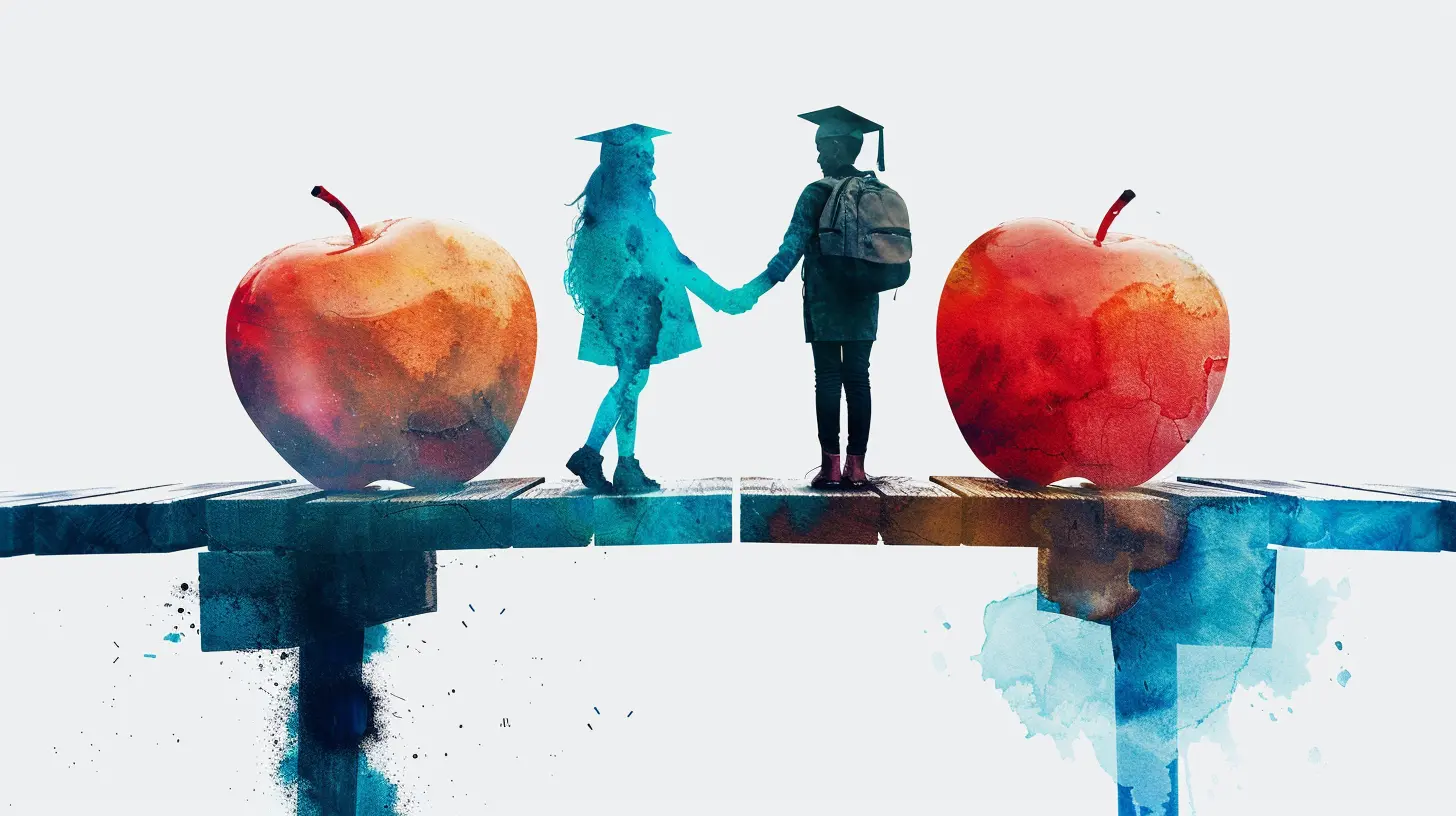
SEL is not a magic wand, but it’s definitely a bridge—a strong, sturdy one that can help close the achievement gap and lead all students to their full potential. It's about connection, compassion, and creating classrooms where every child feels like they matter.
Because once a kid believes in themselves, the learning takes off.
all images in this post were generated using AI tools
Category:
Social Emotional LearningAuthor:

Olivia Lewis
Discussion
rate this article
2 comments
Chelsea Barker
SEL: the key to unlocking potential and closing gaps!
December 29, 2025 at 5:21 AM
Olivia Lewis
Thank you for your insightful comment! Absolutely, SEL is crucial for fostering resilience and enhancing learning, ultimately bridging the achievement gap.
Xena Murphy
Embracing Social Emotional Learning (SEL) empowers every student, fostering resilience and connection. By prioritizing SEL, we can create a more inclusive and supportive environment, unlocking potential and bridging the achievement gap for all learners.
December 25, 2025 at 1:40 PM
Olivia Lewis
Thank you for your insightful comment! I completely agree that prioritizing SEL is vital for fostering resilience and inclusivity, ultimately bridging the achievement gap for all students.