How to Encourage Self-Expression in Young Artists
22 December 2025
Self-expression is the heartbeat of art. It’s how artists—especially young ones—share their thoughts, emotions, and unique perspectives with the world. But fostering self-expression isn’t always easy. Young artists often battle self-doubt, fear of judgment, or even a lack of inspiration. So, how can we help them unlock their creative voices?
Whether you're a parent, teacher, or mentor, encouraging self-expression in young artists requires patience, support, and the right tools. Let’s dive into practical ways to nurture their creativity and help them find their artistic voice.
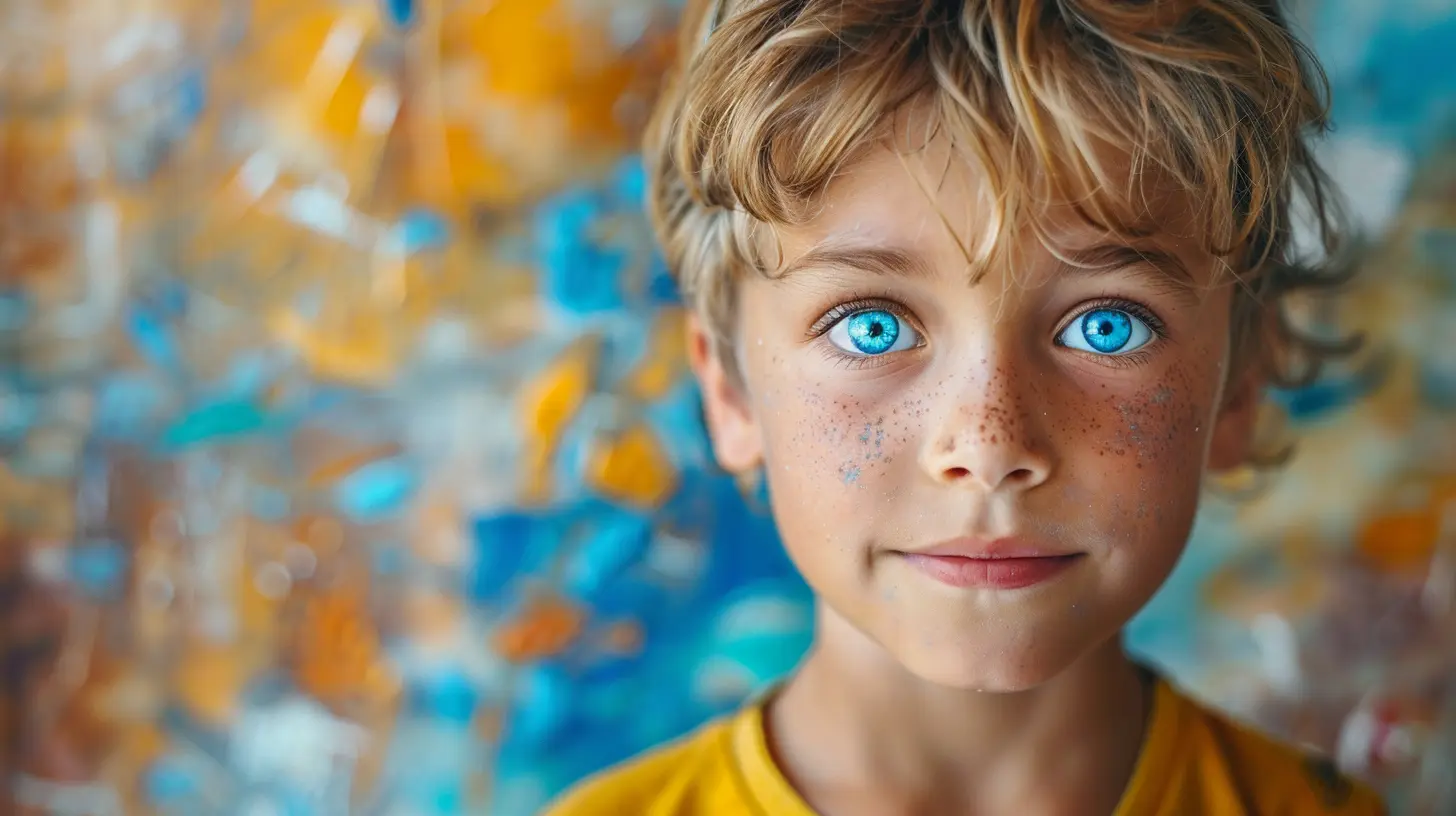
Why Self-Expression Matters in Art
Art isn't just about making something look pretty. It’s a language—a powerful tool for communication. For young artists, self-expression through art can:- Boost confidence – When kids express themselves freely, they develop a stronger sense of identity.
- Improve emotional well-being – Art provides an emotional outlet, helping children process feelings they might struggle to put into words.
- Enhance problem-solving skills – Creativity encourages kids to think outside the box and approach challenges in new ways.
- Foster independence – Making creative choices helps young artists trust their instincts and develop a unique artistic style.
Now that we understand why self-expression is crucial, let's look at how to encourage it.
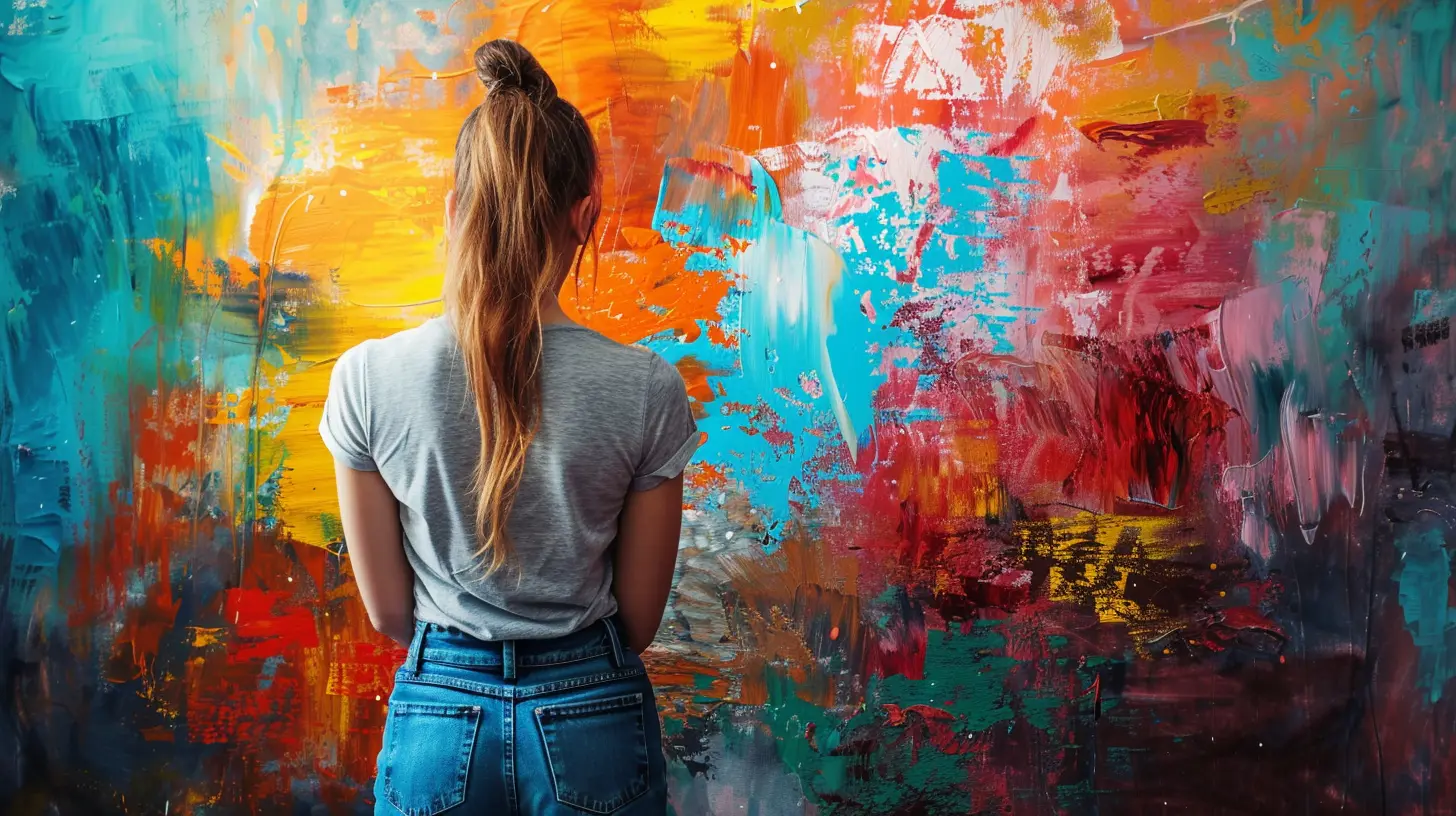
1. Provide a Judgment-Free Creative Space
Imagine trying to dance in front of a crowd while worrying about every little misstep. It’s impossible to let go, right? Art is the same way. Young artists need a space where they feel comfortable expressing themselves without the fear of criticism.- Avoid unnecessary corrections – Instead of pointing out “mistakes,” celebrate their creative choices.
- Encourage experimentation – Let them mix colors, break traditional rules, and try different techniques.
- Make it a safe space – Ensure they know that their work is valued, no matter how abstract or unconventional.
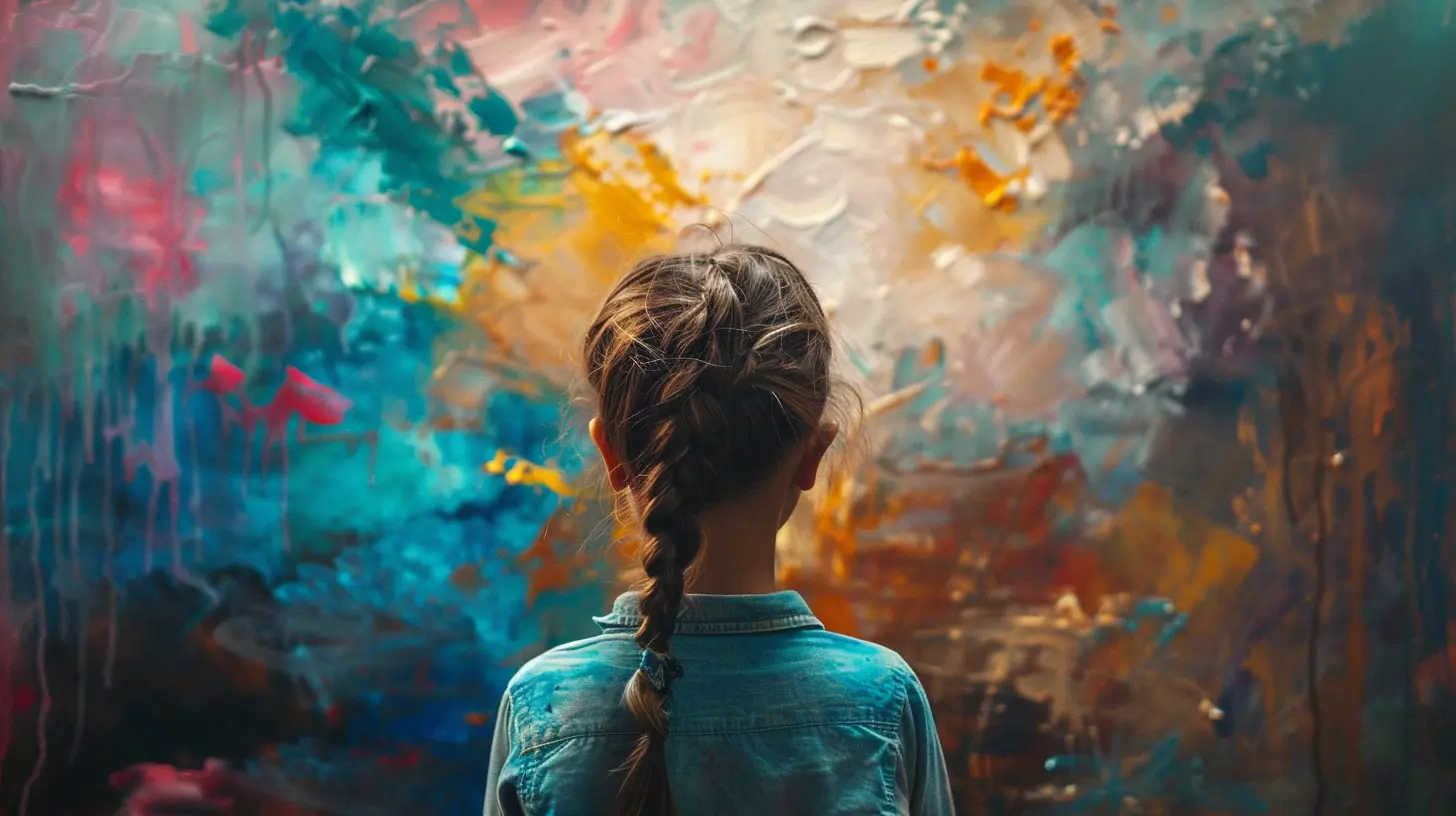
2. Let Them Explore Different Mediums
Some kids might not feel inspired by painting, but give them a camera, some clay, or even chalk, and suddenly, they can’t stop creating. Allowing young artists to experiment with different mediums helps them discover what excites them the most.- Introduce them to paint, pencils, charcoal, markers, crayons
- Try digital art, photography, or sculpture
- Encourage crafts like collage, pottery, or fabric art
The goal is to let them explore without limitations. Sometimes, a simple switch from one medium to another can spark a whole new creative journey.
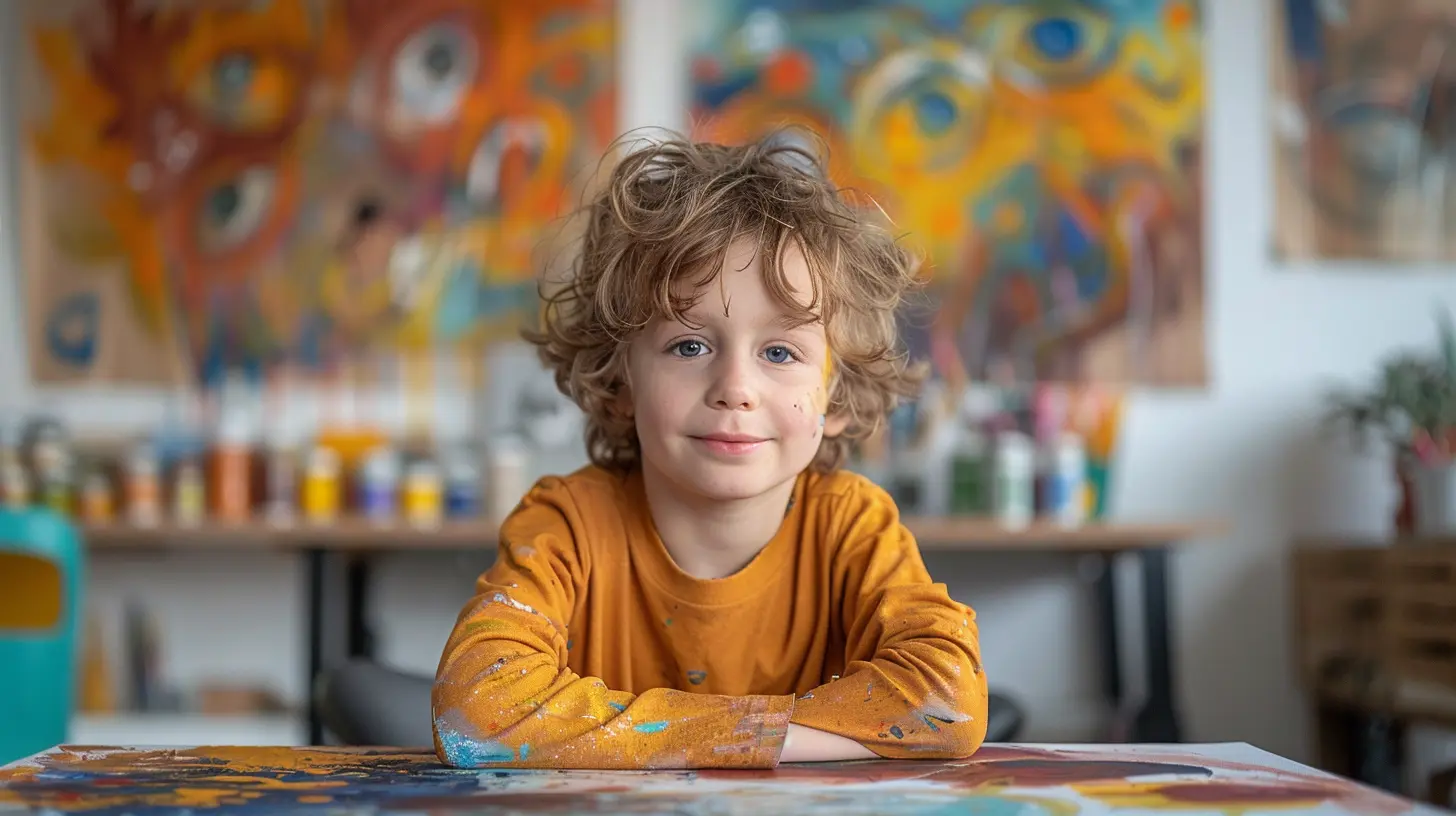
3. Encourage Storytelling Through Art
Every great piece of art tells a story. Encourage young artists to think about the emotions or messages behind their creations.- Ask them, "What story does your artwork tell?"
- Challenge them to create pieces based on personal memories or emotions.
- Let them mix words with art—poetry, song lyrics, or captions can enhance the meaning of their work.
By adding a storytelling aspect, young artists feel more connected to their work and gain confidence in sharing their emotions.
4. Expose Them to Diverse Inspiration
Creativity thrives on exposure. The more young artists see, hear, and experience, the more ideas they’ll have to express.- Take them to art galleries, museums, or cultural exhibits
- Introduce them to different art styles, from surrealism to street art
- Show them works from artists of different backgrounds, cultures, and time periods
- Read them books about famous artists and their journeys
Seeing how others express themselves can inspire young artists to do the same in their own unique way.
5. Encourage Daily Creativity
Self-expression isn’t just an occasional thing—it’s a habit. Encourage young artists to create daily, even in small ways.- Keep a sketchbook and encourage them to doodle whenever they feel inspired.
- Set up art challenges, like drawing something from memory or creating a piece in under 10 minutes.
- Let them decorate their personal spaces—stickers, wall drawings, or DIY projects can keep creativity flowing.
Creativity grows with daily practice. Even simple activities can make a big difference in their artistic confidence.
6. Use Music, Nature, and Emotions as Creative Fuel
Sometimes, staring at a blank canvas can feel intimidating. But inspiration is everywhere! Encourage young artists to pull from:- Music – Let them draw or paint while listening to different genres to see how music influences their mood and creativity.
- Nature – Take them outside to sketch trees, clouds, or even the way shadows fall on the ground.
- Emotions – Ask them how they feel and challenge them to express that feeling through art.
By connecting their surroundings and emotions to their artwork, they’ll learn how to express themselves more naturally.
7. Celebrate Their Art—No Matter What
Recognition goes a long way in building confidence. Celebrate their creativity by:- Displaying their artwork around the house or classroom.
- Posting their work on social media (with their permission!).
- Encouraging them to participate in art contests or exhibitions.
- Simply saying, “I love how creative this is!”
Validation helps young artists believe in their abilities and feel proud of their work.
8. Avoid Overloading Them with Expectations
One of the biggest creativity killers? Expectations. While guidance is great, too much pressure can stifle self-expression.- Avoid phrases like “Make it perfect” or “Stay inside the lines”
- Let them create for fun, without the need for a defined “goal”
- Understand that not every piece needs to be a masterpiece
- Let them take breaks when they feel uninspired—creativity shouldn't feel like a chore
By keeping expectations light and fun, art remains an enjoyable form of self-expression instead of a rigid task.
9. Lead by Example—Be Creative Yourself
Kids are natural copycats. If they see you expressing yourself creatively, they’ll feel more encouraged to do the same.- Doodle or paint alongside them.
- Share your own creative projects—writing, photography, DIY crafts, anything!
- Show enthusiasm for art and creativity in everyday life.
Your passion for self-expression will inspire them to embrace their own creativity with confidence.
10. Encourage Them to Share Their Work (If They Want To)
Not all artists want to showcase their work, and that’s okay. But for those who do, help them find the right platforms:- Family art exhibitions at home
- School or community art shows
- A personal art journal or blog
- Social media (if they’re old enough and comfortable with it)
Sharing art can be a powerful way to connect with others and build confidence, but it should always be their choice.
Final Thoughts
Encouraging self-expression in young artists isn’t about forcing creativity—it’s about creating an environment where they feel safe, inspired, and excited to express themselves. Whether through painting, drawing, photography, or sculpture, every young artist deserves the freedom to explore and develop their creative voice.So next time you see a young artist struggling with self-expression, remind them: There are no wrong strokes in art. Creativity is a journey, not a destination. And the more they embrace their unique style, the brighter their artistic voice will shine.
all images in this post were generated using AI tools
Category:
Art EducationAuthor:

Olivia Lewis
Discussion
rate this article
2 comments
Regina Reyes
This article beautifully highlights the importance of fostering creativity. Encouraging young artists to express themselves authentically is crucial for their personal and artistic growth.
January 12, 2026 at 7:46 PM
Olivia Lewis
Thank you! I'm glad you found the article inspiring. Encouraging authentic self-expression is indeed key to nurturing young artists' growth.
Daisy Dodson
Unleash their colors, let dreams dance.
December 25, 2025 at 3:48 AM
Olivia Lewis
Absolutely! Encouraging young artists to express themselves freely allows their unique colors and dreams to shine. Let their creativity flourish!