How to Foster Inclusivity in Your PE Program
28 February 2026
Physical Education (PE) should be a playground for all, a space where every child—no matter their ability, background, or experience—feels welcome, valued, and empowered. Yet, for many students, PE can feel like an exclusive club, where the fastest and strongest shine while others sit on the sidelines.
But what if we could change that? What if PE became a space where teamwork trumped competition, where every student felt seen, where movement was a joy rather than a judgment?
Let’s dive deep into how to foster inclusivity in your PE program—because every child deserves the chance to move, play, and thrive. 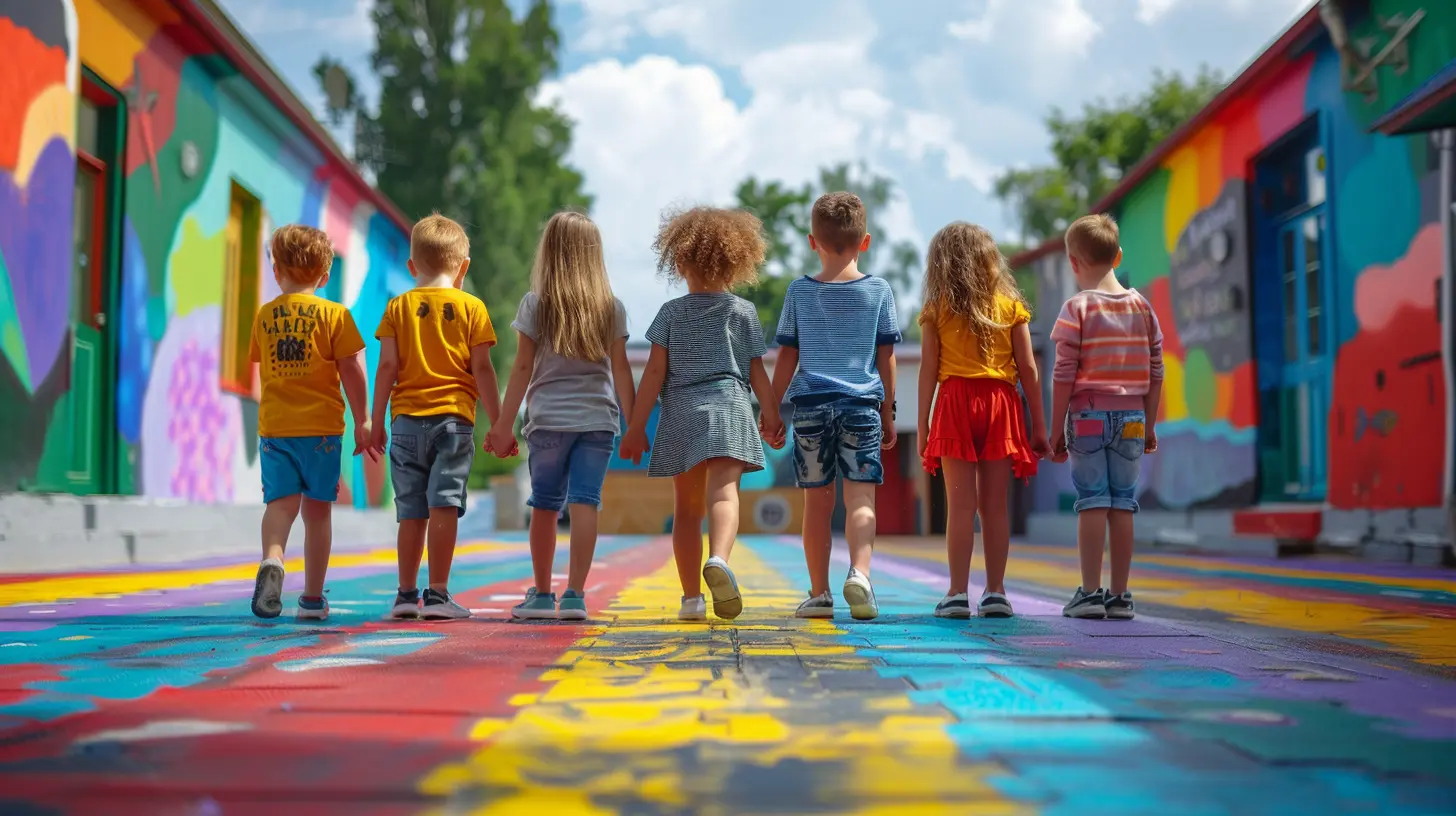
💡 Why Inclusivity in PE Matters
Imagine a PE class where a student with mobility challenges struggles to participate, or a shy child dreads being picked last for a team. These moments can shape a child’s relationship with physical activity for life.Inclusivity ensures that every student, regardless of ability, background, gender, or learning differences, has a place in the game. When kids feel included, they engage more, develop confidence, and build a lifelong love for movement.
So, how do we make PE a space for everyone? 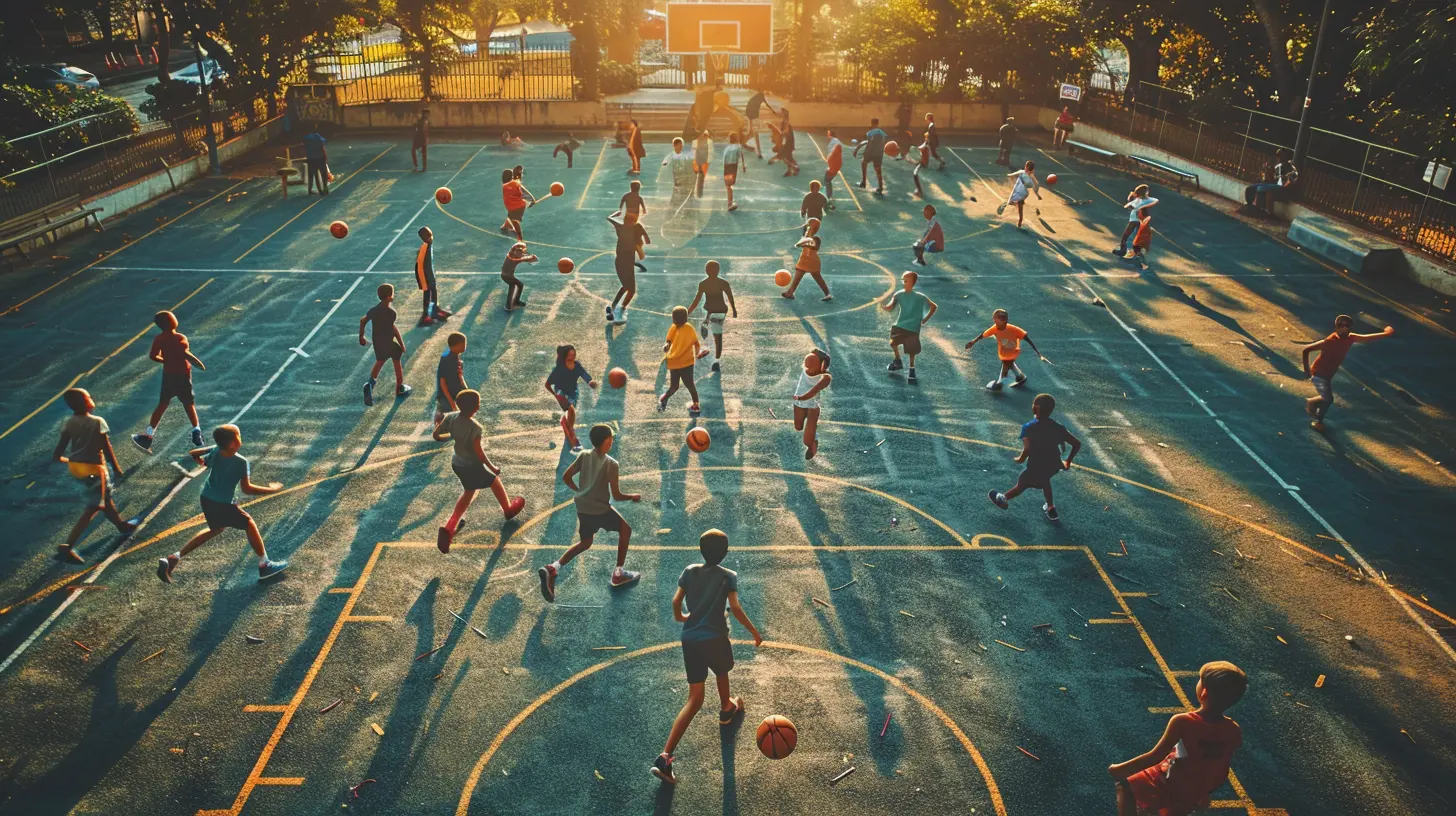
🏆 Step 1: Rethink the Definition of Success
PE isn’t just about scoring the most goals or running the fastest mile. Some students excel at teamwork, others in creativity, and some in perseverance.👉 Shift the Focus from Competition to Personal Growth
Instead of pitting students against each other, encourage individual progress and effort. Celebrate small victories—whether it’s a student improving their push-ups or another finally feeling confident enough to participate in a game.When students see success in multiple ways, more of them feel motivated to get involved. 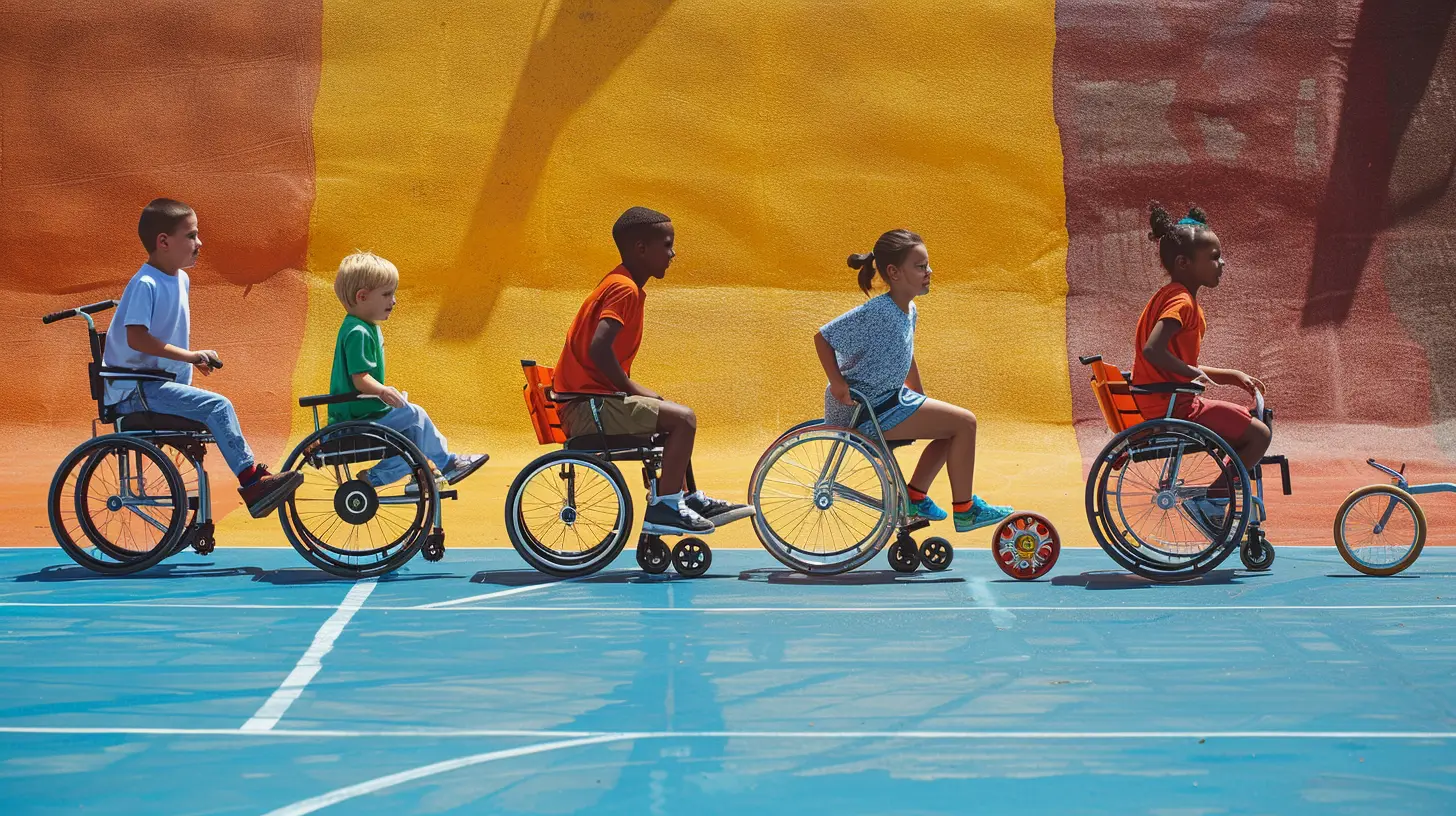
🎭 Step 2: Offer a Variety of Activities
Not all kids love dodgeball. Some find traditional sports intimidating or uninteresting. Offering a varied PE curriculum ensures that every student finds something they enjoy.🔄 Mix It Up
Try incorporating activities like:- Yoga & Mindfulness – Great for students who may not enjoy high-intensity competition.
- Dance & Movement Games – Encourages creativity and inclusivity.
- Obstacle Courses – A fun, team-based challenge where every student contributes.
- Adaptive Sports – Introduce wheelchair basketball, seated volleyball, or other modified games.
When students see PE as more than just traditional sports, they’re more likely to participate and enjoy themselves. 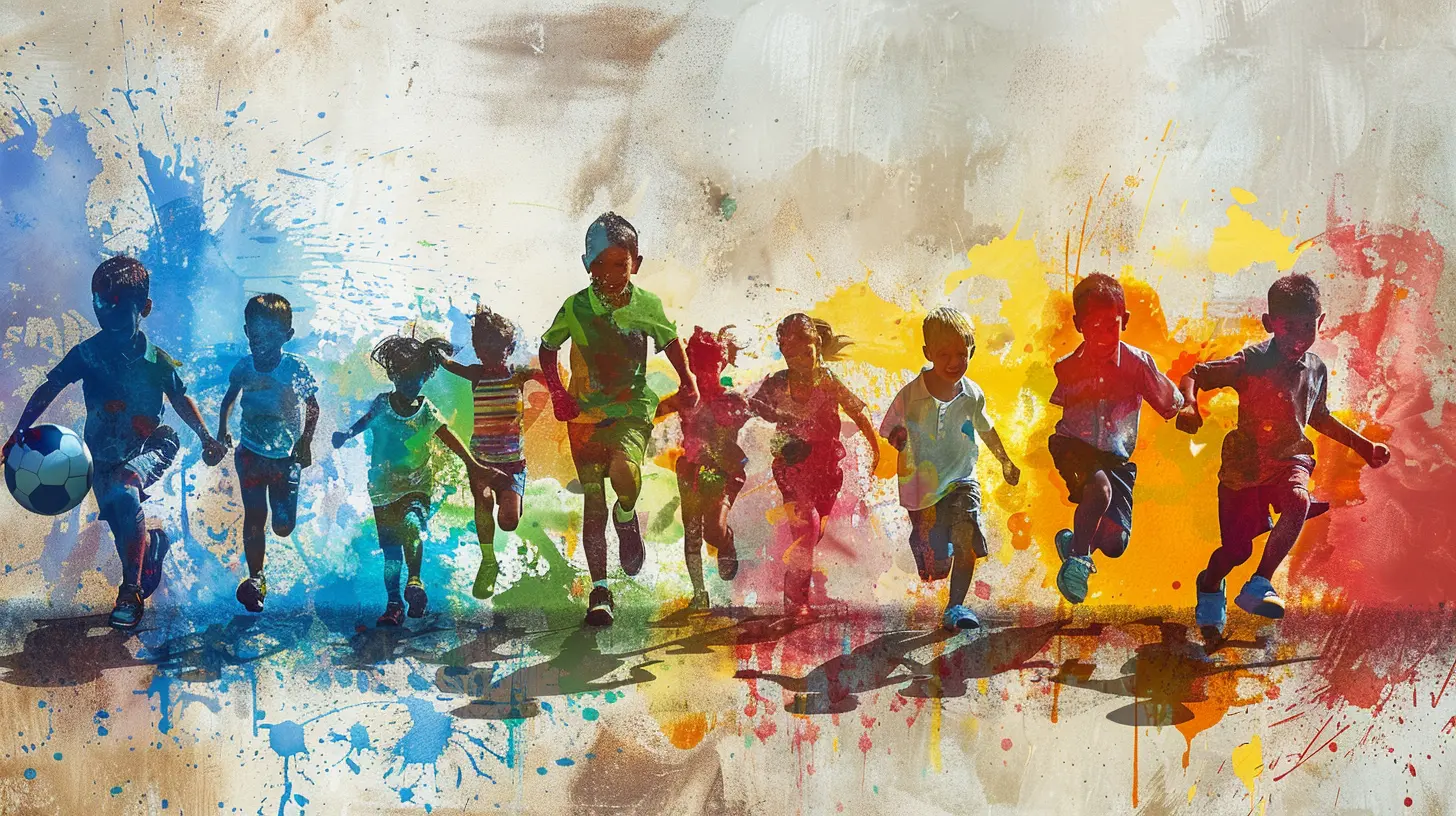
🤝 Step 3: Foster a Team-Oriented Mindset
No one should feel like an outsider in PE. By creating a team-first culture, you can ensure that all students feel supported and valued.👏 Encourage Cooperative Games
Games like relay races, partner challenges, and group problem-solving activities promote teamwork over individual competition.Instead of students dreading being the last pick, make team selection random or teacher-led. This avoids reinforcing social hierarchies and ensures balanced teams.
📣 Step 4: Use Inclusive Language & Encouragement
Words matter. A simple shift in language can make all the difference in making students feel welcome.🗣️ What to Say vs. What to Avoid
- Instead of: "Come on, this is easy!"Say: "Give it your best shot—I know you can do it!"
- Instead of: "You're too slow to keep up."
Say: "Take your time—we want everyone to be involved!"
A positive and supportive tone builds confidence and creates a safe space for students to try new things without fear of judgment.
🌍 Step 5: Embrace Cultural and Ability Diversity
Diversity brings richness to any learning environment, and PE is no exception.🌎 Incorporate Games from Different Cultures
Introduce students to games from around the world, like:- “Sepak Takraw” (a Southeast Asian foot-volleyball game)
- “Kabaddi” (a fast-paced tag game from South Asia)
- “Boccia” (a Paralympic sport similar to bocce ball)
This not only makes PE more engaging but also fosters appreciation for different cultural traditions.
🏅 Adaptive & Modified Activities
For students with disabilities, simple modifications can make a world of difference. Provide options like:- Lighter balls for students with limited strength
- Lower nets for students with mobility challenges
- Visual & verbal cues for students with sensory processing needs
An inclusive PE program ensures that no student is left behind.
💬 Step 6: Listen to Your Students
Who better to shape a PE program than the kids themselves? Engaging students in discussions about what they enjoy, what challenges they face, and what would make them feel more included is key.📌 Try This:
- Conduct quick surveys about students’ favorite and least favorite activities.- Create an "idea box" where students can suggest new games.
- Have peer discussions on how to support classmates in PE.
By giving students a voice, you ensure that your PE program reflects everyone’s needs.
👨🏫 Step 7: Provide Teacher Training on Inclusivity
Inclusivity in PE doesn’t happen by accident—it happens through intentional effort.🏫 Ongoing Professional Development
Teachers should have training on:- Adaptive physical education strategies
- Understanding different learning styles
- Creating psychologically safe spaces for all students
When educators are equipped with the right tools, they can shape a PE environment where every student thrives.
🚀 Step 8: Promote a No-Judgment Zone
PE should be a place of joy, not anxiety. Many students, especially those who aren’t naturally athletic, may feel self-conscious about their abilities.✅ Create a Safe Space by:
- Avoiding public scorekeeping – Keep the focus on fun and learning.- Encouraging peer support – Teach students to cheer each other on.
- Allowing alternative participation – Let students choose between playing, coaching, or refereeing if they’re uncomfortable with high-intensity participation.
When students feel psychologically safe, they’re more likely to engage and find joy in movement.
🎉 Wrapping It Up: Every Kid Deserves to Play
Inclusivity in PE isn’t just about tweaking rules—it’s about changing perspectives.It’s about understanding that every child—no matter their ability, background, or confidence level—deserves the opportunity to experience the power of movement.
By fostering an inclusive environment, we can build a generation of students who see physical activity not as a challenge to fear, but as a space to belong.
Because at the end of the day, PE should be about more than just games—it should be about growth, connection, and the joy of movement.
all images in this post were generated using AI tools
Category:
Physical EducationAuthor:
Olivia Lewis
Discussion
rate this article
2 comments
Nyari McGeehan
Fostering inclusivity in PE promotes engagement and confidence among all students, enhancing learning.
March 3, 2026 at 4:42 AM
Olivia Lewis
Thank you for your insightful comment! Emphasizing inclusivity in PE truly transforms the learning experience for all students.
Hayden Hurst
This article highlights essential strategies for creating an inclusive PE program. It's crucial to recognize each student’s unique abilities and interests. By adapting activities and fostering a supportive environment, educators can promote teamwork and boost confidence among all students, ultimately enhancing the overall experience. Great insights!
February 28, 2026 at 12:45 PM
Olivia Lewis
Thank you for your thoughtful comment! I appreciate your support for creating an inclusive PE program that values each student's uniqueness.