Lifelong Learning and the Joy of Mastery
23 February 2026
Have you ever met someone who seems to know a little bit about everything? You ask them about coffee, and suddenly they’re giving you a TED Talk on the differences between Arabica and Robusta beans. You mention learning the guitar, and they casually mention their collection of vintage Fender Stratocasters. These people aren’t just walking encyclopedias—they’re lifelong learners.
The truth is, we can all be like them. No, that doesn’t mean we have to become a human Wikipedia (though, let’s be real, that would be pretty cool). But when we embrace lifelong learning, we unlock an endless supply of curiosity, skill-building, and—believe it or not—joy. Yep, real, genuine happiness. But what exactly makes learning such a delight? And how can we make the most of it? Buckle up, because we’re about to dive in!

What is Lifelong Learning?
Lifelong learning isn’t just about going back to school or hoarding online course certificates like Pokémon cards. It’s an ongoing, voluntary, and self-motivated pursuit of knowledge—for personal development, professional growth, or just because it’s fun.Think about it. We spend a huge chunk of our early years cramming for exams, writing essays, and trying (and sometimes failing) to stay awake in class. But once formal education ends, learning doesn’t have to stop. In fact, that’s when the real fun begins—because now, you get to learn on your own terms.
The Joy of Mastery: Why Does It Feel So Good?
1. The Satisfaction of Progress
Remember the first time you rode a bike? At first, it was all wobbles, scraped knees, and dramatic falls. But then, one day, it just clicked. The feeling of coasting down the road without toppling over? Pure magic.That’s the joy of mastery—seeing yourself improve, even if it’s just bit by bit. Whether it’s learning a language, picking up a new hobby, or finally understanding how taxes work (miracles do happen), progress fuels motivation. Every small victory gives your brain a delicious hit of dopamine, the “feel-good” chemical that keeps you coming back for more.
2. The Confidence Boost
There’s something incredibly satisfying about being the person in the room who actually knows stuff. Not in a pretentious, “I-know-everything” way, but in a “Hey, let me help you with that” kind of way.Mastery builds confidence, and confidence opens doors. The more skills you develop, the more capable you feel in different situations. Learning to code, for instance, doesn’t just make you tech-savvy—it gives you the self-assurance to dive into other complex topics without fear.
3. The Thrill of Overcoming Challenges
Let’s be real—learning something new can be frustrating. You will mess up. A lot. But that’s part of the process. In fact, the struggle is what makes the victory so sweet.When you finally nail that tricky piano piece, conquer a tough yoga pose, or survive your first attempt at baking sourdough bread without burning down the kitchen, you’re not just mastering a skill—you’re proving to yourself that you can push through challenges.
4. The “Aha!” Moments
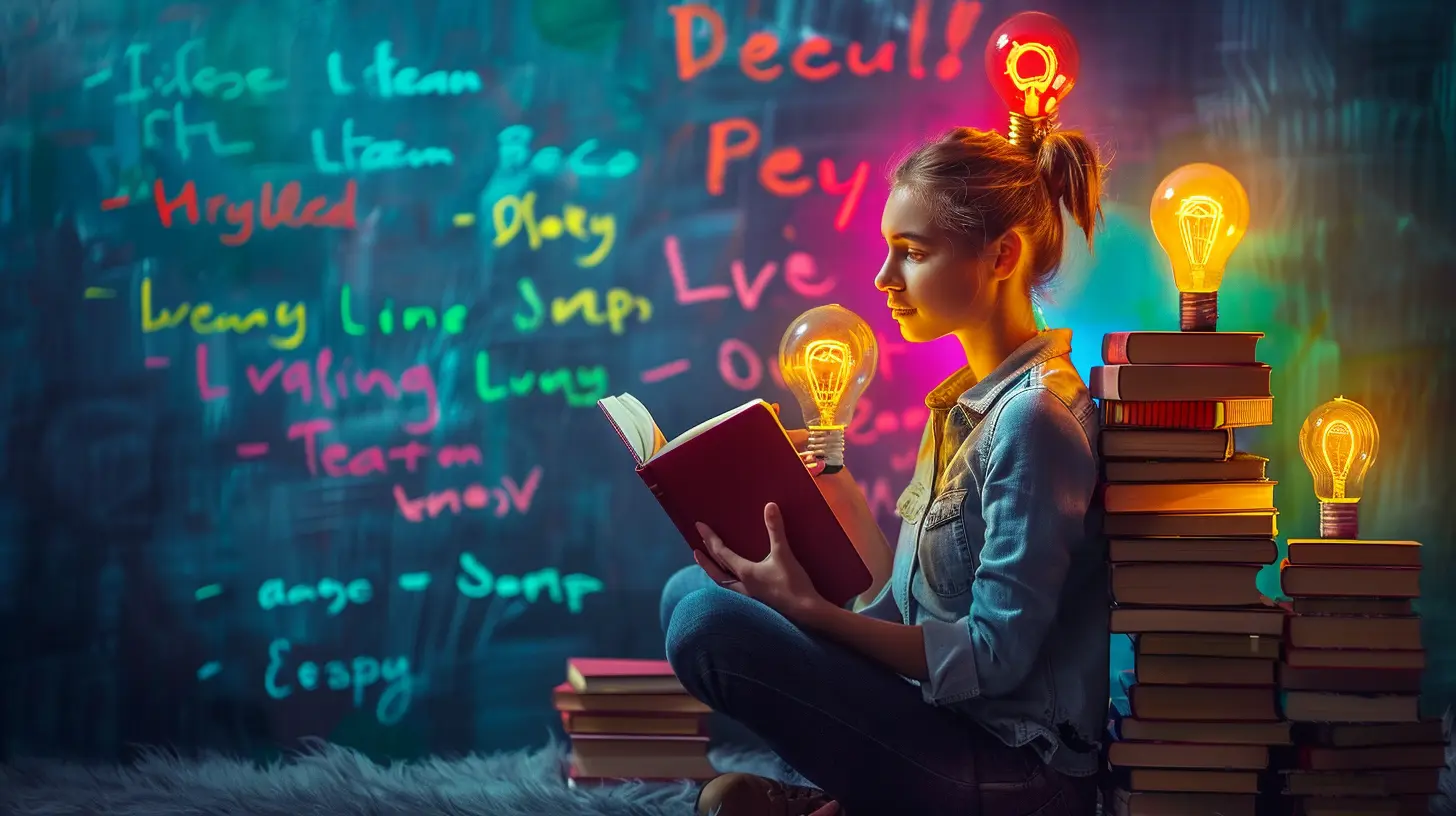
There’s nothing quite like that lightbulb moment when something confusing suddenly makes sense. It’s like solving a tricky puzzle and feeling like an absolute genius (even if it’s something as simple as finally understanding how to use a semicolon).These moments of clarity make learning addictive. They remind us that knowledge isn’t just useful—it’s thrilling.

How to Make Lifelong Learning a Habit
Okay, so we’ve established that learning is fun, rewarding, and basically a superpower. But how do you actually make it a part of your daily life?1. Follow Your Curiosity
Ever fall down a YouTube rabbit hole and emerge three hours later with a bizarre amount of knowledge about ancient Egyptian bread-making techniques? That’s your curiosity at work.Instead of forcing yourself to learn things you have zero interest in, follow what naturally excites you. Love history? Dive into historical documentaries. Obsessed with space? Read astronomy blogs. Passionate about food? Experiment with new recipes.
When you follow your curiosity, learning never feels like a chore—it feels like an adventure.
2. Make It Fun
Traditional education had a way of making learning feel like a battlefield of flashcards and late-night cram sessions. But lifelong learning? That’s supposed to be fun.Instead of slogging through dry textbooks, find engaging ways to absorb information. Listen to podcasts, watch TED Talks, play educational games, or take interactive online courses. Learning should feel more like binge-watching your favorite show and less like preparing for a pop quiz.
3. Embrace the Beginner Stage
Nobody starts out as an expert. (Except maybe Mozart, but let’s not talk about him.) It’s okay to be bad at something when you first start—everyone is.The trick is to embrace the awkward, messy beginning phase and not get discouraged. Think of it like leveling up in a video game. At first, you’re just a low-level player wandering around with wooden armor and a rusty sword. But with time and effort, you become a seasoned warrior.
4. Set Small, Achievable Goals
Saying, “I’m going to learn a new language” is great, but also kind of overwhelming. Instead, break it down into bite-sized goals.Start with, “I’ll learn ten new words this week.” Or, “I’ll practice for fifteen minutes a day.” Small wins add up. Before you know it, you’ll be ordering croissants in flawless French without breaking a sweat.
5. Surround Yourself with Other Learners
Learning is contagious. When you hang out with curious, ambitious people, their love of learning rubs off on you.Join a book club, take a class, or simply talk to passionate people. Enthusiasm is infectious, and nothing fuels motivation like a community of learners cheering each other on.

Lifelong Learning in Everyday Life
You don’t need a formal classroom to keep learning. It’s everywhere—in conversations, experiences, and little everyday moments.- Cooking: Try making a dish from a culture you’re unfamiliar with. Bonus points if you learn the history behind it.
- Traveling: Instead of just sightseeing, dive into the local language, traditions, and history.
- Conversations: Ask lots of questions. Everyone knows something you don’t.
- Reading: Pick up books outside your usual genre. You never know what might spark a new interest.
- Hobbies: Try something way outside your comfort zone. Who knows? You might discover a hidden talent.
Conclusion: The Never-Ending Adventure
Lifelong learning isn’t about reaching some mythical finish line—it’s about enjoying the journey. The world is bursting with fascinating things to learn, and you have a front-row ticket to all of it.So go ahead. Pick up that book, sign up for that class, ask that question. Who knows where your curiosity will lead you next?
Because the real joy of mastery isn’t just about becoming an expert. It’s about falling in love with the process—one lightbulb moment at a time.
all images in this post were generated using AI tools
Category:
Lifelong LearningAuthor:

Olivia Lewis
Discussion
rate this article
2 comments
Emery Reilly
This article eloquently highlights how lifelong learning fosters personal growth and satisfaction. The pursuit of mastery not only enhances skills but also cultivates a deeper joy in learning itself.
March 8, 2026 at 11:41 AM
Olivia Lewis
Thank you for your insightful comment! I'm glad you found the connection between lifelong learning and personal growth meaningful.
Selene McManus
Absolutely loved this article! Lifelong learning transforms challenges into joy, making mastery a delightful journey of growth and discovery!
February 24, 2026 at 11:43 AM
Olivia Lewis
Thank you so much for your kind words! I'm thrilled you enjoyed the article and found inspiration in the journey of lifelong learning.