Lifelong Learning in a Globalized World: Embracing Cultural Education
5 July 2026
Introduction
Have you ever wondered how learning extends far beyond school and university? The world is evolving at a rapid pace, shaping how we perceive knowledge and growth. In today's interconnected world, lifelong learning isn't just a buzzword—it's a necessity. And one of the most enriching aspects of continuous learning is embracing cultural education.
As borders blur and economies intertwine, understanding different cultures isn’t just about taking a language course or trying new cuisine. It’s about developing a global mindset, fostering empathy, and becoming a citizen of the world. So, let's dive into why lifelong learning through cultural education can completely transform your perspective on life.
The Power of Lifelong Learning
Lifelong learning is a mindset—an ongoing journey of acquiring new skills, perspectives, and experiences. It isn’t confined to classrooms; it happens in conversations, travel, books, and cultural interactions. But why is it so important?1. Adapting to Change – The world isn’t static; careers, industries, and even social norms evolve. Lifelong learning keeps you adaptable and relevant.
2. Boosting Personal Growth – Learning fresh ideas keeps your mind sharp and enhances personal development.
3. Enhancing Social Awareness – By continuously learning, you're not only bettering yourself but also contributing positively to society.
Now, let’s talk about the magic of cultural education and how it plays a huge role in lifelong learning.
Embracing Cultural Education in a Globalized World
Cultural education isn't about memorizing facts about different countries; it’s about deep understanding, respect, and appreciation. It helps break stereotypes, promotes inclusivity, and strengthens global connections.1. Broadening Perspectives Through Cultural Exposure
Think about the first time you tried a dish from a different culture and how it changed your perception of flavors. The same applies to knowledge—exposing yourself to different cultures broadens your views.When we surround ourselves with diverse perspectives, we break free from biases. This openness fosters creativity and better problem-solving skills because we see the world from multiple angles.
2. Cross-Cultural Competence: A Key to Success
In a world where remote work and international collaborations are the norm, cross-cultural competence is essential. Employers seek individuals who can navigate different cultural landscapes with ease.By understanding different traditions, communication styles, and etiquette, we build stronger relationships—both personally and professionally. Whether you're negotiating a business deal in Japan or working on a project with a team from different backgrounds, cultural awareness gives you a competitive edge.
3. Travel as a Tool for Cultural Education
There’s a reason travel is considered one of the best forms of education—experiencing a culture firsthand leaves a lasting impact. Traveling teaches flexibility, patience, and adaptability.Imagine strolling through the bustling streets of Bangkok, tasting authentic street food, or participating in a local festival in Brazil. These experiences provide insights that no textbook ever could.
For those who can’t travel, virtual experiences, documentaries, and cultural exchange programs also offer incredible learning opportunities.
4. Breaking Language Barriers: The Gateway to Deeper Connections
Language is more than just words—it carries history, values, and identity. Learning a new language connects you with people in profound ways.Even picking up simple phrases from another language shows respect and effort. It strengthens relationships and improves communication, especially in professional settings. Plus, research shows that bilingual individuals have better cognitive abilities and problem-solving skills!
5. Cultural Adaptability: Thriving in a Globalized Economy
With globalization, companies operate across multiple countries. Employees who understand cultural differences thrive in such environments.For example, business etiquette in Germany differs from Japan or the Middle East. A culturally educated individual adapts seamlessly, avoiding misunderstandings and fostering teamwork. Lifelong learners who embrace cultural adaptability often find greater career opportunities.
6. Technology and Cultural Learning: A Digital Revolution
The digital world has made cultural education more accessible than ever. Want to understand French history? Take an online course. Curious about African traditions? Follow social media influencers sharing their heritage.Podcasts, blogs, and online forums allow individuals to engage with cultures they may never physically visit. The more we utilize these resources, the more we grow as global citizens.
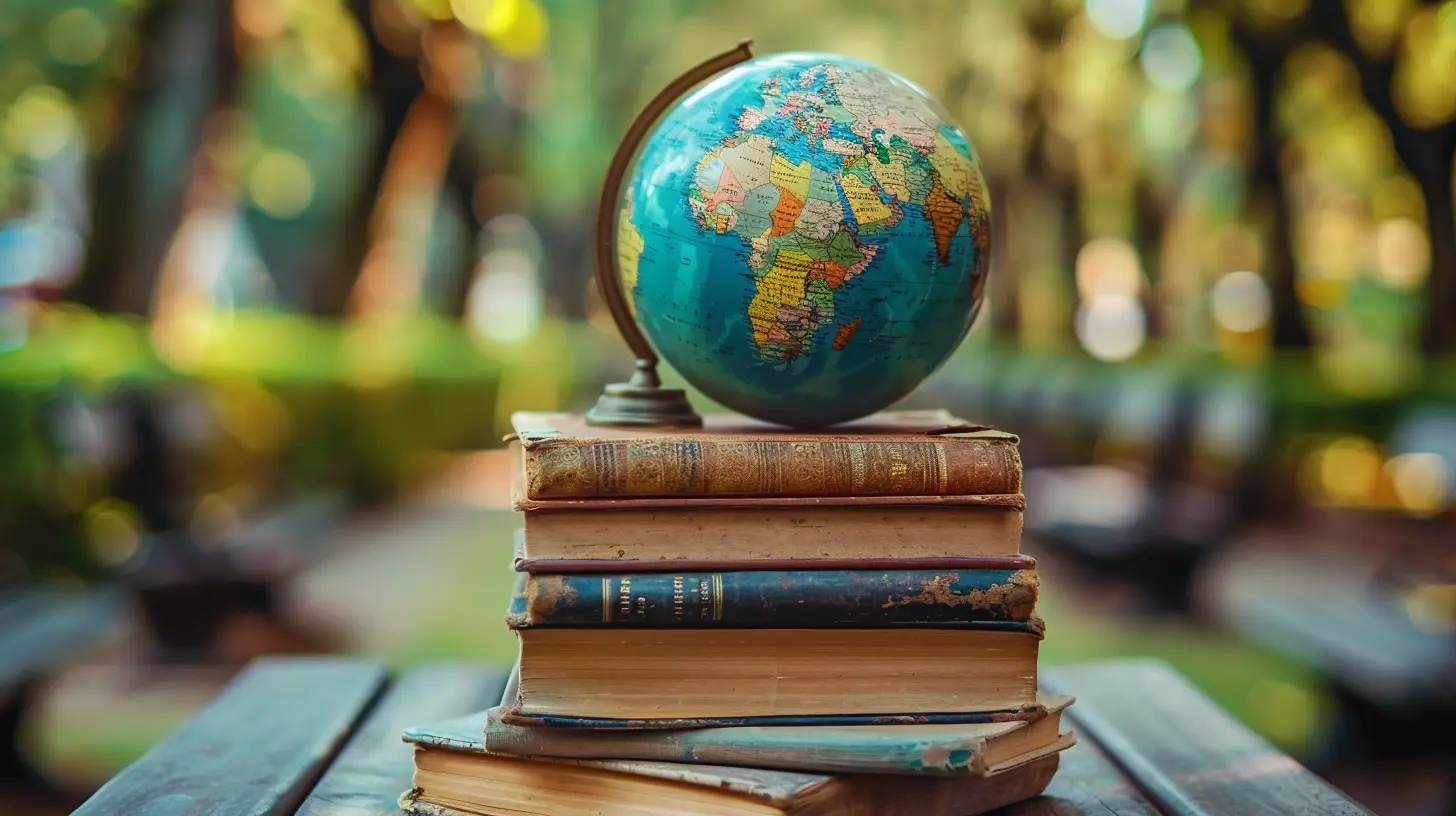
How to Incorporate Cultural Education into Lifelong Learning
By now, you're probably wondering, "How can I integrate cultural education into my daily life?" Here are some practical ways:- Read books from different cultures – Literature offers deep insights into cultural perspectives.
- Attend cultural events or festivals – Experiencing traditions firsthand is enlightening.
- Engage in conversations with people from different backgrounds – Ask questions and listen with an open mind.
- Take online courses on cultural studies – Platforms like Coursera or Udemy offer amazing options.
- Watch foreign films and documentaries – Storytelling bridges cultural gaps like nothing else.
- Learn a new language – Even basic phrases can open doors to meaningful connections.
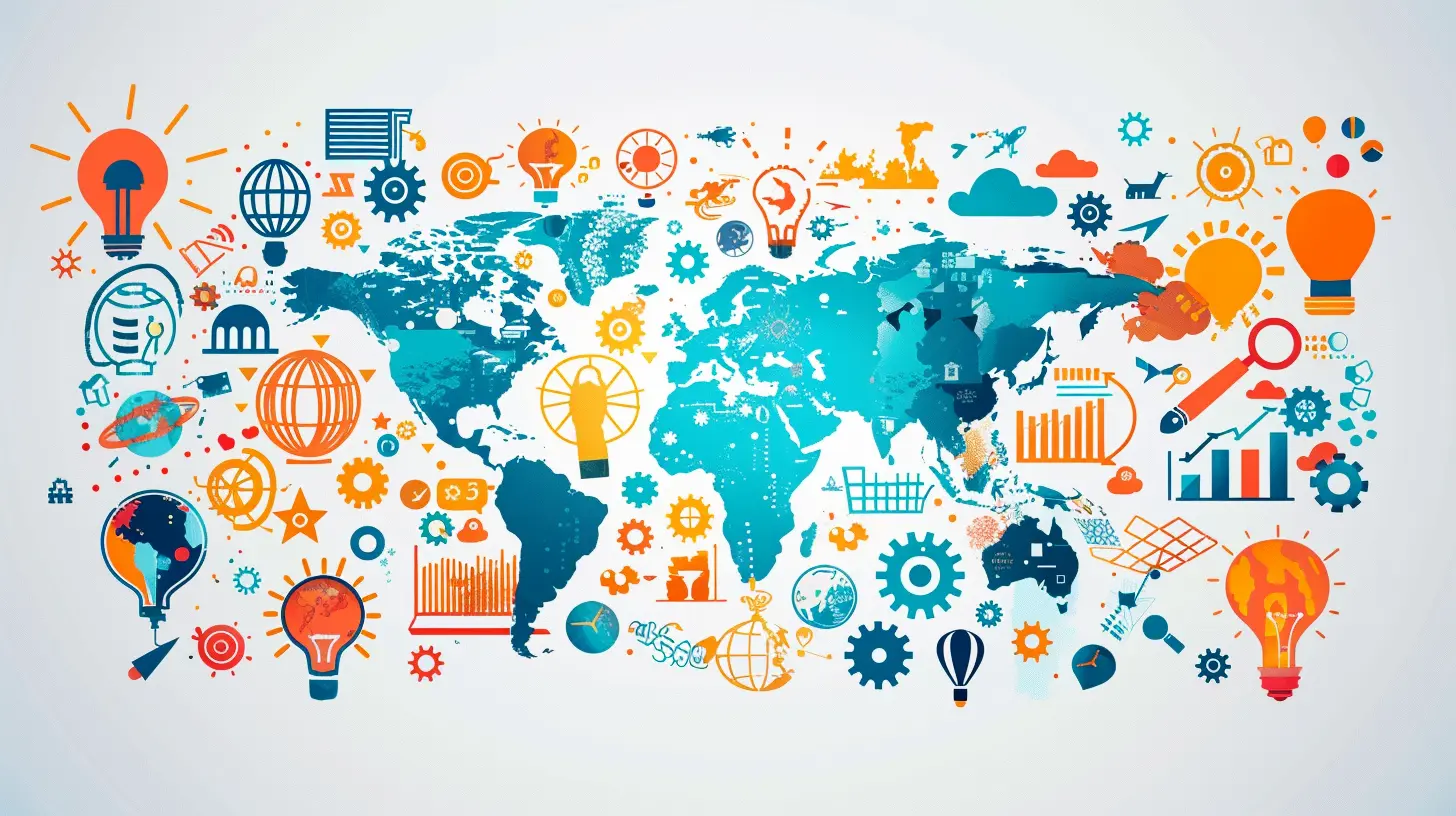
The Ripple Effect: How Cultural Education Shapes the Future
Cultural education doesn’t just benefit individuals—it ripples into communities and nations. When people embrace different cultures, societies become more inclusive and harmonious.Imagine a world where people respect and celebrate differences rather than fear them. Lifelong learning in a globalized world creates ambassadors of peace, reducing ignorance and fostering unity.
Conclusion
Lifelong learning isn’t a choice anymore; it’s a way of life. And when cultural education is part of that journey, the world becomes a classroom filled with limitless possibilities.By embracing different cultures, we step out of our comfort zones, enrich our minds, and build bridges rather than walls. So, whether it’s through travel, reading, or simply engaging in cultural conversations, never stop learning—it’s the key to thriving in our ever-changing world.
all images in this post were generated using AI tools
Category:
Lifelong LearningAuthor:
Olivia Lewis
Discussion
rate this article
1 comments
Zareth McManus
Cultural education is essential for true growth.
July 5, 2026 at 3:18 AM
Olivia Lewis
I completely agree. Cultural education opens our minds and fosters understanding, which is vital in today's interconnected world.