SEL and Digital Citizenship: Guiding Students in Online Interactions
8 June 2026
Ah, the internet—a magical place full of memes, cat videos, and an endless supply of information. But let's be honest, it’s also a wild jungle where one wrong click can lead you straight into the depths of misinformation, cyberbullying, and digital drama.
Now, imagine sending students into this online world without a compass. That’s where SEL (Social and Emotional Learning) and digital citizenship come to the rescue! These two go hand in hand like peanut butter and jelly—helping students navigate the online space with kindness, empathy, and responsibility.
So, grab your virtual backpack because we're diving into why SEL and digital citizenship are crucial for guiding students in their online interactions. 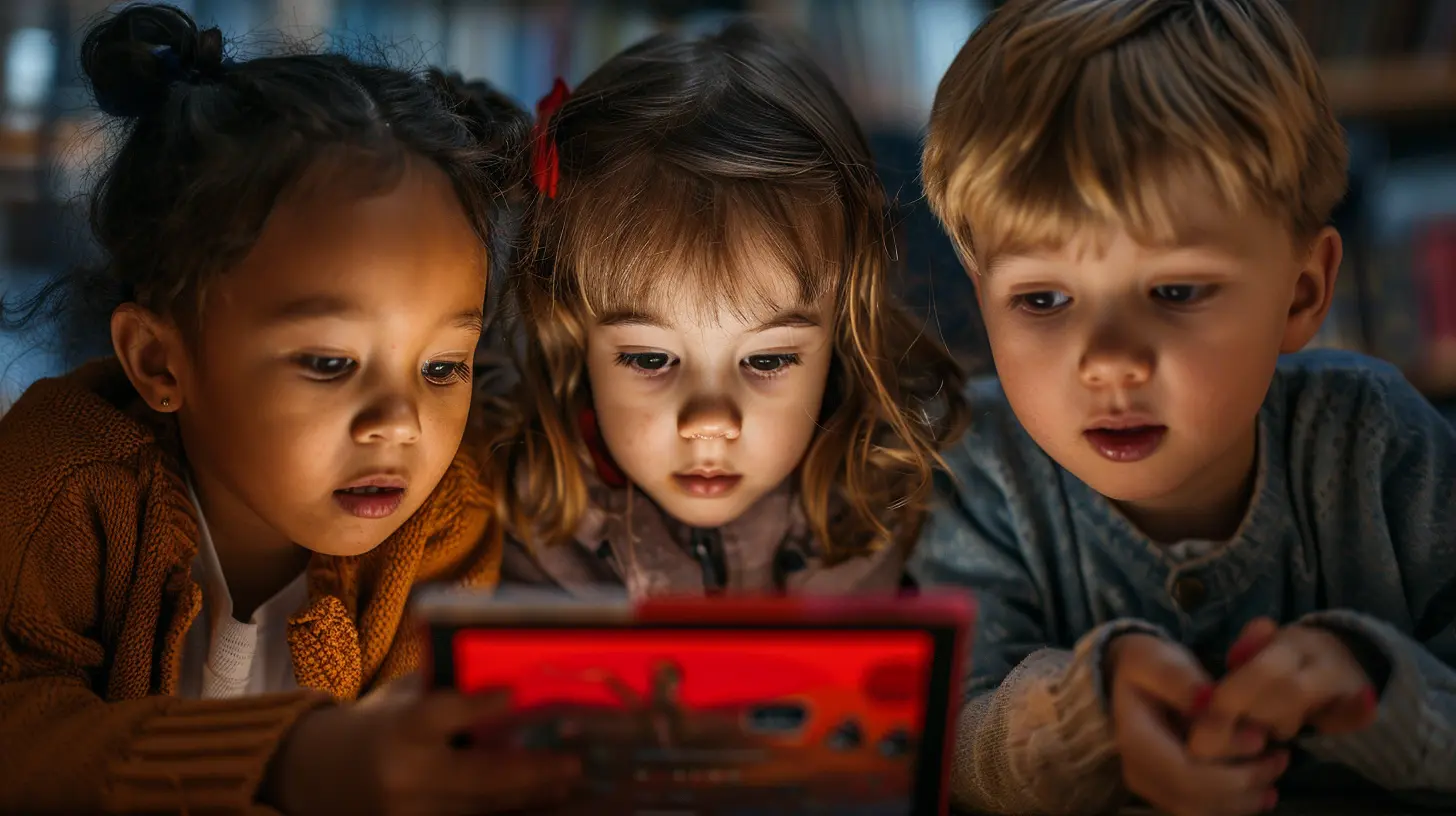
What is SEL and Why Does It Matter?
Before we deep-dive into digital citizenship, let's talk about SEL—or as I like to call it, the secret sauce for raising emotionally intelligent humans.SEL is all about developing the skills needed to manage emotions, build relationships, and make responsible decisions. It teaches students how to handle conflicts, express themselves respectfully, and—most importantly—be decent human beings.
The Five Core Competencies of SEL
The Collaborative for Academic, Social, and Emotional Learning (CASEL) outlines five key SEL competencies:1. Self-Awareness – Understanding emotions and recognizing personal strengths (no, being good at binge-watching Netflix doesn't count).
2. Self-Management – Controlling impulses and setting goals (aka not rage-tweeting when you're mad).
3. Social Awareness – Understanding different perspectives and showing empathy (yes, even toward that one classmate who never shares their snacks).
4. Relationship Skills – Communicating effectively, resolving conflicts, and maintaining healthy relationships.
5. Responsible Decision-Making – Making ethical and constructive choices, both online and offline.
Now that we’ve got SEL covered, let’s see how these skills translate into the world of digital interactions. 
Why Digital Citizenship Matters More Than Ever
Back in the day, "citizenship" just meant being a good neighbor and following the rules. But in today’s digital age, it goes way beyond that.Digital citizenship is all about using technology responsibly, safely, and ethically. It’s teaching students that what they say and do online can have real-world consequences. (Spoiler alert: The internet never forgets!)
Key Aspects of Digital Citizenship
To be a responsible digital citizen, students need to understand:- Online Etiquette – Because typing in ALL CAPS makes it sound like you’re yelling, and nobody likes that.
- Internet Safety – Protecting personal information and avoiding sketchy links (no, you didn’t win a free iPhone).
- Cyberbullying Prevention – Recognizing, reporting, and standing up against online harassment.
- Digital Footprint – What goes online stays online—forever. Yes, even that embarrassing TikTok challenge.
- Media Literacy – Learning to spot fake news and think critically about online content. 
Bridging SEL and Digital Citizenship
Now, here’s the cool part: SEL and digital citizenship aren’t separate subjects—they’re two sides of the same coin. When students develop strong SEL skills, they naturally become better digital citizens. Here’s how:1. Teaching Empathy to Foster Kindness Online
Ever heard of the phrase "Think before you speak"? Well, "Think before you type" is just as important.SEL helps students develop empathy, which means they think twice before posting something hurtful. Instead of firing off a mean comment, they learn to put themselves in the other person's shoes. (Because let’s be real, a little kindness can go a long way!)
2. Self-Regulation: Avoiding Online Arguments
We’ve all seen it—those never-ending comment wars that escalate faster than a reality TV show.SEL teaches self-management, which helps students regulate their emotions and avoid getting caught in online battles. Instead of lashing out, they learn to pause, breathe, and respond thoughtfully.
3. Critical Thinking: Spotting Misinformation
Not everything on the internet is true—shocking, right?With media literacy skills, students learn to fact-check sources and question the credibility of online content. SEL promotes responsible decision-making, ensuring that students don’t fall for clickbait headlines or conspiracy theories.
4. Relationship Skills: Building Positive Online Communities
Social media isn’t just for scrolling endlessly—it's also a space for connection.When students apply SEL’s relationship skills, they create supportive online communities instead of toxic environments. They learn how to engage in respectful discussions and uplift others rather than tearing them down. 
How Educators Can Teach SEL and Digital Citizenship Together
As an educator, you’re not just teaching math, science, or literature—you’re shaping the next generation of responsible digital citizens. So, how can you integrate SEL with digital citizenship in the classroom?1. Incorporate Real-Life Scenarios
Use real-world examples to discuss online interactions. Ask students:- "How would you handle a rude comment on social media?"
- "What would you do if you saw a friend being cyberbullied?"
Encouraging discussions helps students think critically about their digital behaviors.
2. Role-Playing Activities
Let students take on different roles in online scenarios to help them understand different perspectives. This fosters empathy and teaches them how to respond to various situations.3. Use Engaging Multimedia
Videos, podcasts, and interactive games make learning fun! Platforms like Common Sense Education offer great resources for teaching digital citizenship in a way that resonates with students.4. Encourage Reflective Journaling
Ask students to reflect on their online experiences. What went well? What could they have done differently? Reflection helps reinforce SEL principles in a digital context.5. Teach the Power of “Pause”
One of the simplest yet most effective lessons: If you wouldn’t say it to someone’s face, don’t post it online. Encouraging students to pause before they type can prevent a lot of unnecessary online drama.Final Thoughts
Let’s face it—today’s students are growing up in a digital world. While technology opens doors to incredible opportunities, it also comes with challenges. That’s why SEL and digital citizenship are must-haves in every classroom.By blending these two, we’re not just teaching students how to behave online—we’re preparing them to be responsible, kind, and thoughtful digital citizens. And honestly, in a world that thrives on likes, shares, and retweets, a little more kindness and responsibility can make all the difference.
So, dear educators and parents, let’s equip our students with the skills they need to thrive online—not just as users, but as positive contributors to the digital world.
Now, if only there were a course on avoiding internet rabbit holes—because let’s be real, we’ve all gone down those late-night Wikipedia spirals!
all images in this post were generated using AI tools
Category:
Social Emotional LearningAuthor:

Olivia Lewis
Discussion
rate this article
1 comments
Bridget Mercado
This article highlights the importance of social-emotional learning in fostering responsible online behavior.
June 11, 2026 at 12:44 PM