SEL Strategies for Reducing Student Anxiety and Stress
20 March 2026
Let’s be honest—being a student today is tough. There's pressure to perform, social expectations to meet, and for many, a constant stream of digital noise. Add to that a global pandemic hangover, and it's no surprise that anxiety and stress levels among students have skyrocketed. So, how do educators step up? Enter Social and Emotional Learning (SEL)—a powerful framework that offers students the emotional toolkit they desperately need in and out of the classroom.
In this guide, we’ll break down what SEL really means and explore some of the most effective SEL strategies for reducing student anxiety and stress. Don’t worry—we’ll keep it practical, engaging, and yes, super human.
What Is Social and Emotional Learning (SEL), Anyway?
Before we dive into the strategies, let's clarify what SEL is.Social and Emotional Learning is all about helping students understand and manage their emotions, build strong relationships, make responsible decisions, and handle life’s curveballs without breaking down. It’s not fluff—it’s foundational.
Think of SEL as emotional literacy. We're teaching students not just how to read books, but how to "read" themselves and others. Imagine giving them a user manual for their brains and hearts.
When done right, SEL doesn’t just help students feel better—it helps them do better. Academically, socially, and emotionally.
Why Anxiety and Stress Are Bigger Issues Now Than Ever
Students today juggle more than most adults give them credit for. Here’s what’s piling onto their shoulders:- Academic pressure: Expectations are sky-high. Everyone’s aiming for the top, and failure often feels like the end of the world.
- Social media: The highlight reels of others' lives make it easy to feel inadequate.
- Global uncertainty: From climate change to global conflict, the world outside doesn't feel very safe.
- Lack of emotional education: Sadly, many schools still don't teach kids how to manage their emotions.
All of this can lead to sleepless nights, panic attacks before a test, and even long-term mental health issues. That’s where SEL comes in—not as a magic fix, but as a framework for healing.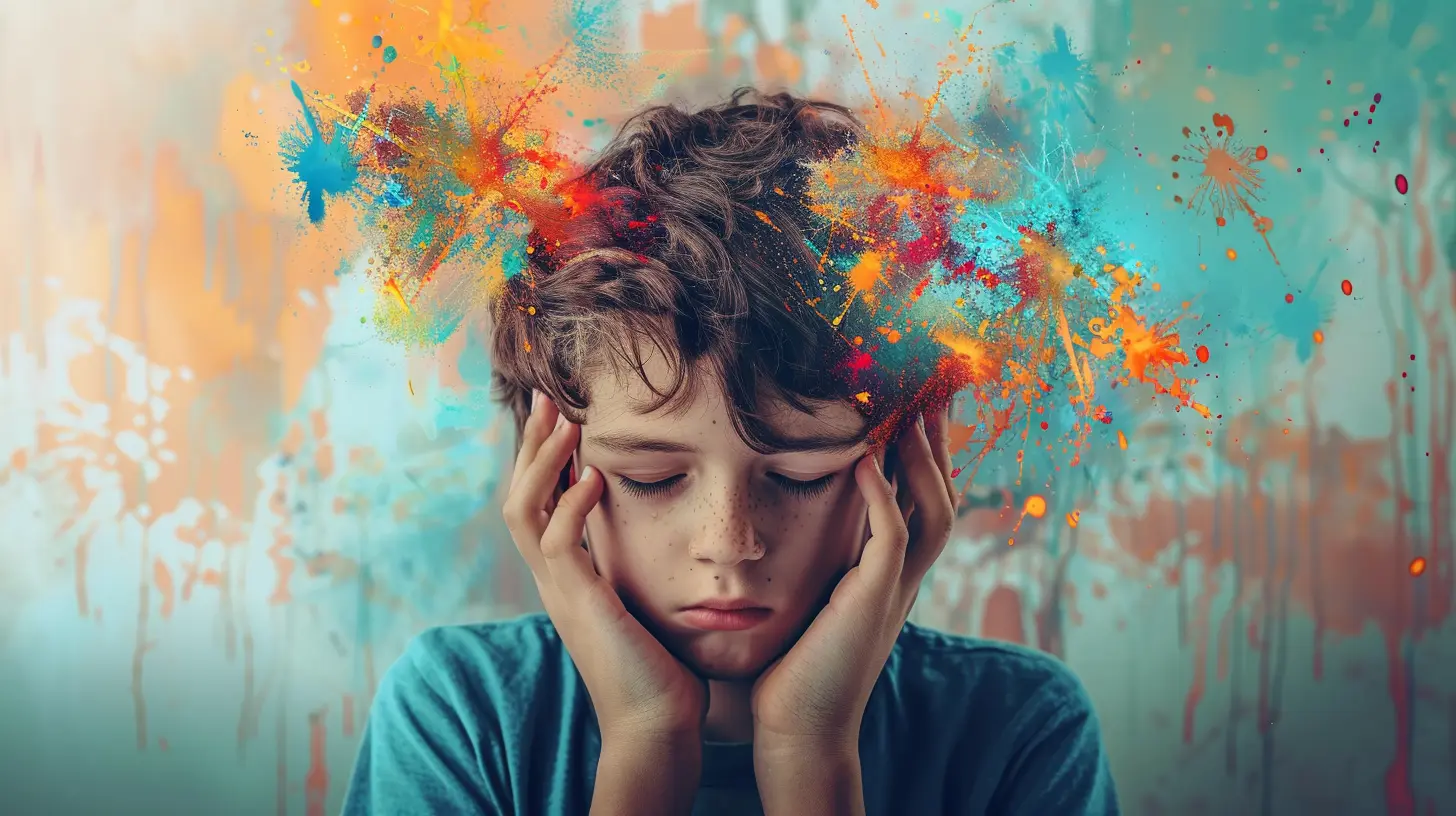
The Five Pillars of Effective SEL
To use SEL to reduce stress and anxiety, it helps to break it down into its core competencies. According to CASEL (Collaborative for Academic, Social, and Emotional Learning), SEL boils down to five key areas:1. Self-awareness
2. Self-management
3. Social awareness
4. Relationship skills
5. Responsible decision-making
Each of these plays a major role in helping students manage stress. Think of them as gears in an emotional well-being engine.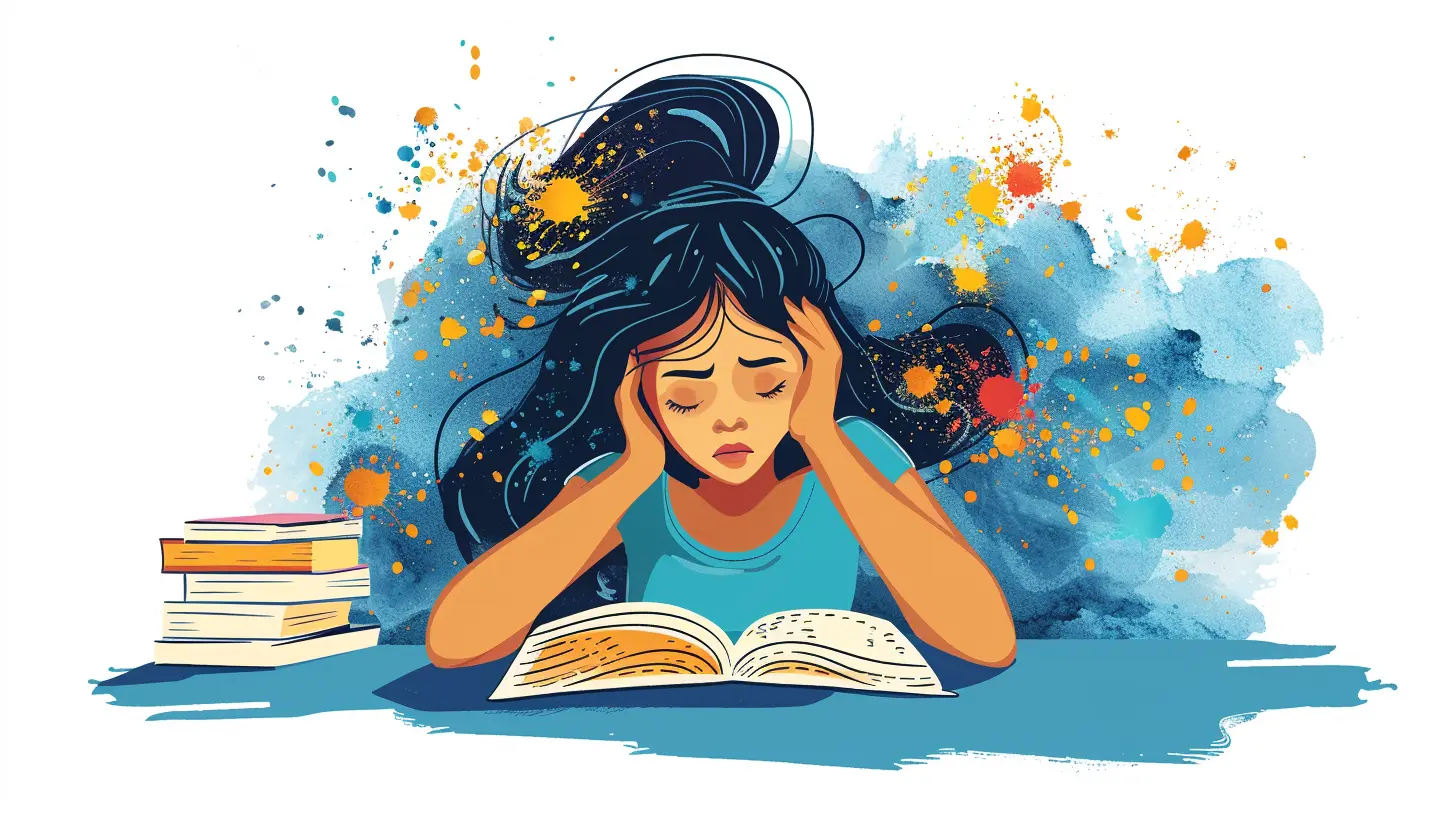
SEL Strategies for Reducing Student Anxiety and Stress
Now let’s dive into the juicy part—the actual strategies. Here’s how to take those five pillars and turn them into classroom habits that ease student stress.1. Start With Daily Emotional Check-Ins 📝
Ever asked a student how they’re doing and got the default “fine”? Yeah, we’ve all been there.Daily emotional check-ins help students pause and actually think about how they feel. It could be as simple as asking students to mark their mood on a color-coded chart (Green = happy, Red = anxious). Or use sticky notes, digital polls, or quick journaling prompts.
Why it works: It builds self-awareness. Students get used to naming their emotions, which is the first step in managing them.
2. Create a Calm Corner 🧘♀️
No, this isn’t a timeout zone. A Calm Corner is a safe, judgment-free space in the classroom where students can go to reset.Fill it with stress balls, noise-canceling headphones, coloring pages, soft lighting—anything that helps a student regulate their emotions.
Why it works: It promotes self-management. Students learn that it's okay to take a break when emotions run high.
3. Practice Mindfulness and Breathing Techniques 🌬
Mindfulness isn’t just a buzzword—it’s a research-backed method to reduce anxiety.Try this: Start the day with three minutes of deep breathing or a quick body scan. There are tons of free mindfulness videos on YouTube designed just for kids and teens.
Why it works: It slows down the stress response in the brain, shifting students from panic mode to problem-solving mode.
4. Normalize Talking About Emotions in Class 🗣
Think of emotions like shadows—when we ignore them, they grow bigger. But when we talk about them, they lose their power.Use books, current events, or even everyday classroom situations to start conversations like:
- “How do you think that character felt?”
- “What would you do if you were in their shoes?”
- “Have you ever felt overwhelmed like that?”
Why it works: It builds social awareness and shows students that they’re not alone.
5. Invite Students to Set Personal Goals 🎯
Goal setting isn’t just for academics. Teach students to set emotional or personal goals like:- “This week, I’ll try to speak up when I feel anxious.”
- “Today, I’ll take three deep breaths before my math test.”
Celebrate progress, not perfection. Small wins build confidence.
Why it works: It encourages responsible decision-making and self-discipline.
6. Integrate SEL Into Academic Content 📚
Who says SEL needs a separate lesson plan? You can weave it into anything.In English class, reflect on a character’s choices. In science, talk about collaboration during labs. In history, analyze how emotional intelligence shaped leaders.
Why it works: It makes SEL relevant and less like another "to-do" item.
7. Foster Student-Led Discussions and Peer Support 👥
Give students ownership over classroom culture. Facilitate peer groups where they can talk about stress in a safe way. Promote group projects that value effort over competition.You can even create an SEL "committee" of students who organize well-being activities.
Why it works: It strengthens relationship skills and combats isolation, a major stress amplifier.
8. Educator Self-Care and Modeling 🧡
Here’s a little secret: Students are emotional sponges. If educators are burnt out and anxious, students feel that energy.Practice what you preach—share your own stress-management strategies. Let students see that adults struggle too. It's humanizing and powerful.
Why it works: It fosters empathy and shows that emotional regulation is a lifelong skill.
Bonus Tactic: Use Technology… Wisely 🎧📱
Apps like Headspace for Educators or Calm Schools can help integrate mindfulness in a tech-friendly way. Even mood-tracking apps can give students agency over their emotional journey.But balance is key. Encourage digital detoxes and help students recognize when screen time is adding stress—not relieving it.
Measuring the Impact of SEL on Stress and Anxiety
Wondering if it’s all worth the effort? Here’s what studies have found:- SEL programs can significantly lower levels of cortisol (the body’s stress hormone) in students.
- Students in SEL-enriched classrooms report fewer instances of anxiety and depression.
- Schools that prioritize SEL see academic improvement too. Happy brains learn better—go figure.
Even better? These skills stick. Students carry them into adulthood, leading to healthier relationships, better jobs, and higher life satisfaction.
Challenges with Implementing SEL (and How to Beat Them)
No lie—introducing SEL isn’t always smooth sailing. Some common bumps include:- Lack of time: My tip? Don’t treat SEL like an extra subject. Make it part of your current routines.
- Lack of training: Professional development matters. Advocate for it.
- Resistance from parents: Keep them in the loop. Share how SEL isn’t therapy—it’s preparation for life.
Remember, small consistent actions beat big inconsistent ones. Even five minutes a day can create a ripple effect.
Bringing It All Together: SEL Is the Antidote to Toxic Stress
At its core, SEL is about teaching students that emotions are not enemies—they're guides. It's about creating safe spaces where students can be seen, heard, and empowered to manage their inner world.Reducing stress and anxiety doesn't mean eliminating challenges. It means equipping students with the tools to manage them.
Think of SEL like emotional armor—not to avoid the battle, but to face it with courage.
Final Thoughts
Let’s stop thinking of stress and anxiety as “just part of growing up.” With SEL, we can help students not only survive school—but thrive in it and beyond.Whether you’re a teacher, administrator, counselor, or parent, implementing SEL strategies is an investment in emotional health—and honestly, we could all use a little more of that.
So, are you ready to start rewriting the narrative on student stress?
all images in this post were generated using AI tools
Category:
Social Emotional LearningAuthor:

Olivia Lewis
Discussion
rate this article
2 comments
Patricia Wolf
Integrating SEL strategies not only fosters emotional awareness but also equips students with essential coping tools. Simple practices like mindfulness and peer support can significantly reduce anxiety, creating a more supportive and conducive learning environment.
March 24, 2026 at 4:13 AM
Olivia Lewis
Thank you for highlighting the importance of SEL strategies! Mindfulness and peer support are indeed powerful tools for fostering emotional resilience and creating a positive learning environment.
Quade Ramirez
Great tips! Tackling anxiety with SEL strategies fosters a supportive and positive learning environment.
March 22, 2026 at 3:51 AM
Olivia Lewis
Thank you! I'm glad you found the tips helpful. Supporting students' well-being is key.