The Benefits of BYOD (Bring Your Own Device) Policies in Schools"
22 March 2026
Technology is no longer a luxury in education—it’s the lifeblood of modern learning. Classrooms that once thrived on chalkboards and paper handouts are now buzzing with tablets, laptops, and smartphones. One policy that’s been picking up serious momentum is BYOD—Bring Your Own Device. Love it or hate it, BYOD policies are here, and they’re transforming how educators teach and how students learn.
So, what’s the deal with BYOD in schools? Is it just a trendy buzzword that’ll fizzle out, or is there something deeper brewing beneath the surface? Spoiler alert: BYOD isn’t just sticking around—it’s changing the game.
Let’s break down the real-deal benefits of BYOD policies and why more schools are making the jump.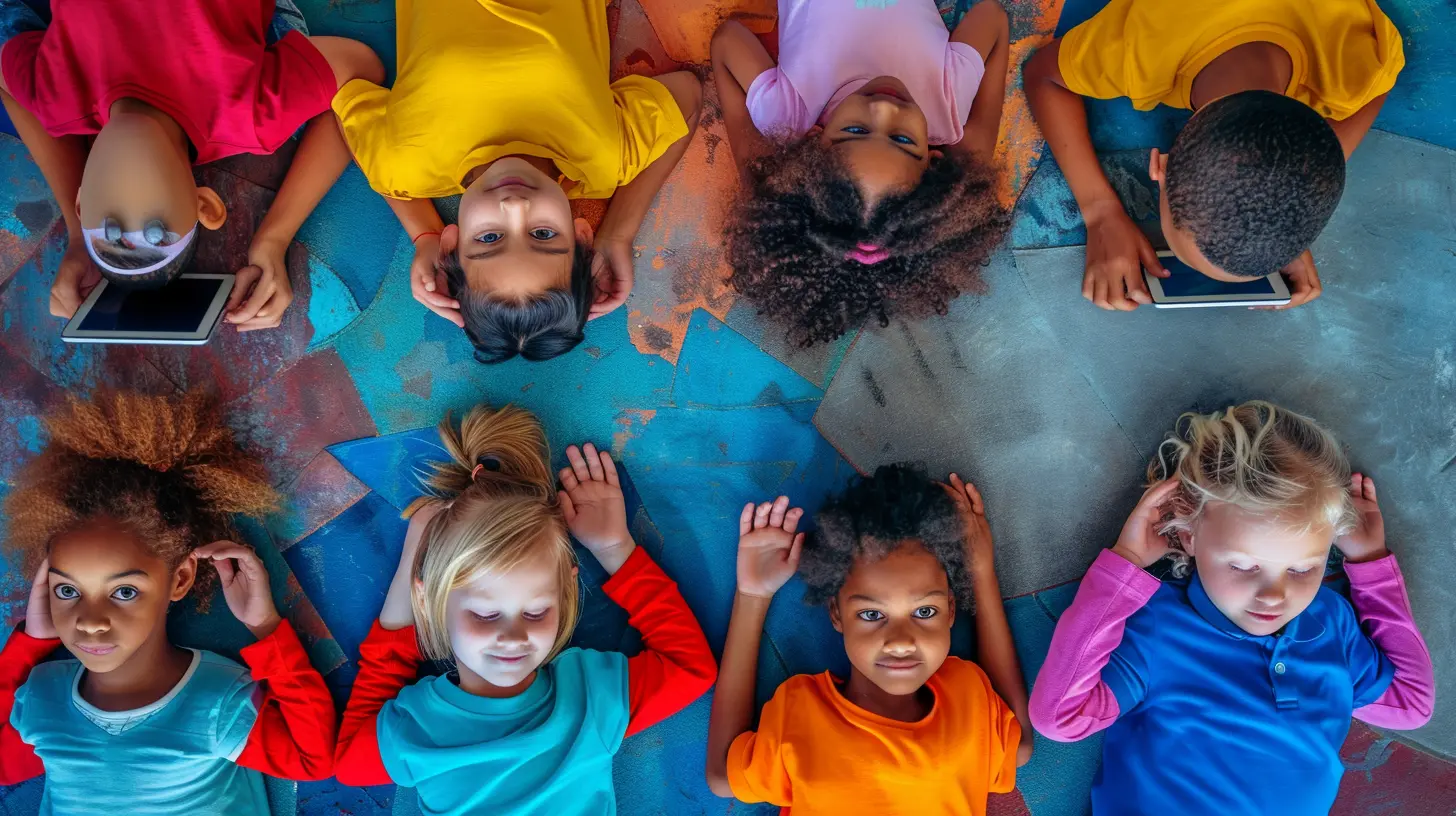
What Is BYOD, Really?
Before we dive into the juicy benefits, let’s clear the air—what exactly is BYOD?BYOD stands for Bring Your Own Device. It’s a policy that allows students to bring their personal digital devices—think tablets, laptops, smartphones—to school for educational use.
Instead of schools dishing out identical tech to every student (which can get pricey, fast), students use the devices they already own and love. It's like bringing your favorite tool to a job—you’re comfortable using it, and you're probably more productive too.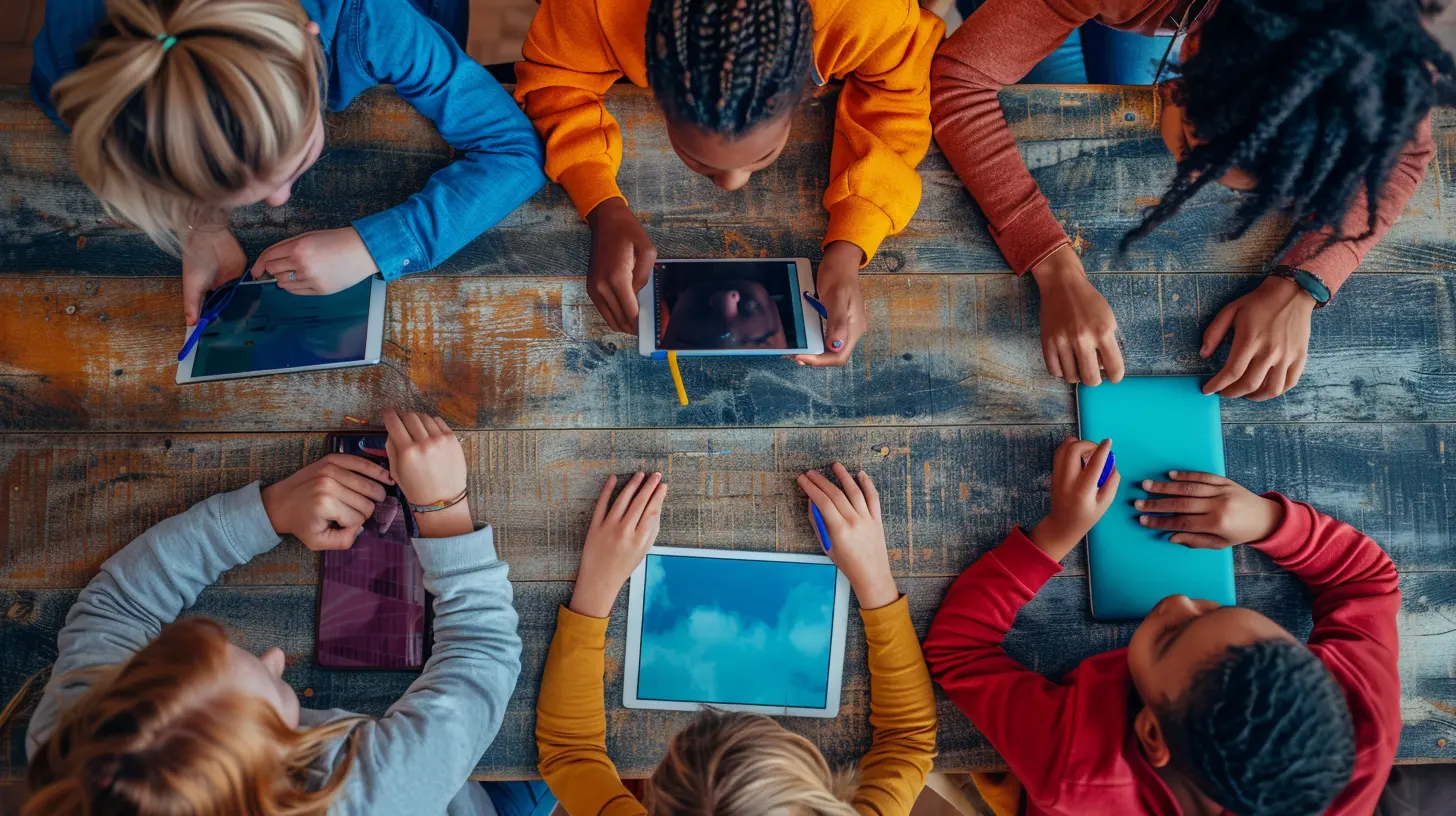
Cost Savings: Less Strain on School Budgets
Let’s start with the elephant in the room—money.Providing high-quality tech for every student can bleed a school’s budget dry. Chromebooks, iPads, software licenses... it adds up fast. With BYOD, schools can relax a bit. Students bring their own gear, and schools can redirect funds to other critical areas—teacher development, infrastructure, and classroom tools that benefit everyone.
That’s not to say schools wash their hands of responsibility. They still need strong Wi-Fi, cybersecurity, and digital learning platforms. But BYOD helps take a huge load off.
Think About It This Way:
If a school has 1,000 students and spends $400 per student on devices — that’s $400,000. With BYOD? That cost drops dramatically. Not to zero, but close enough to make a difference.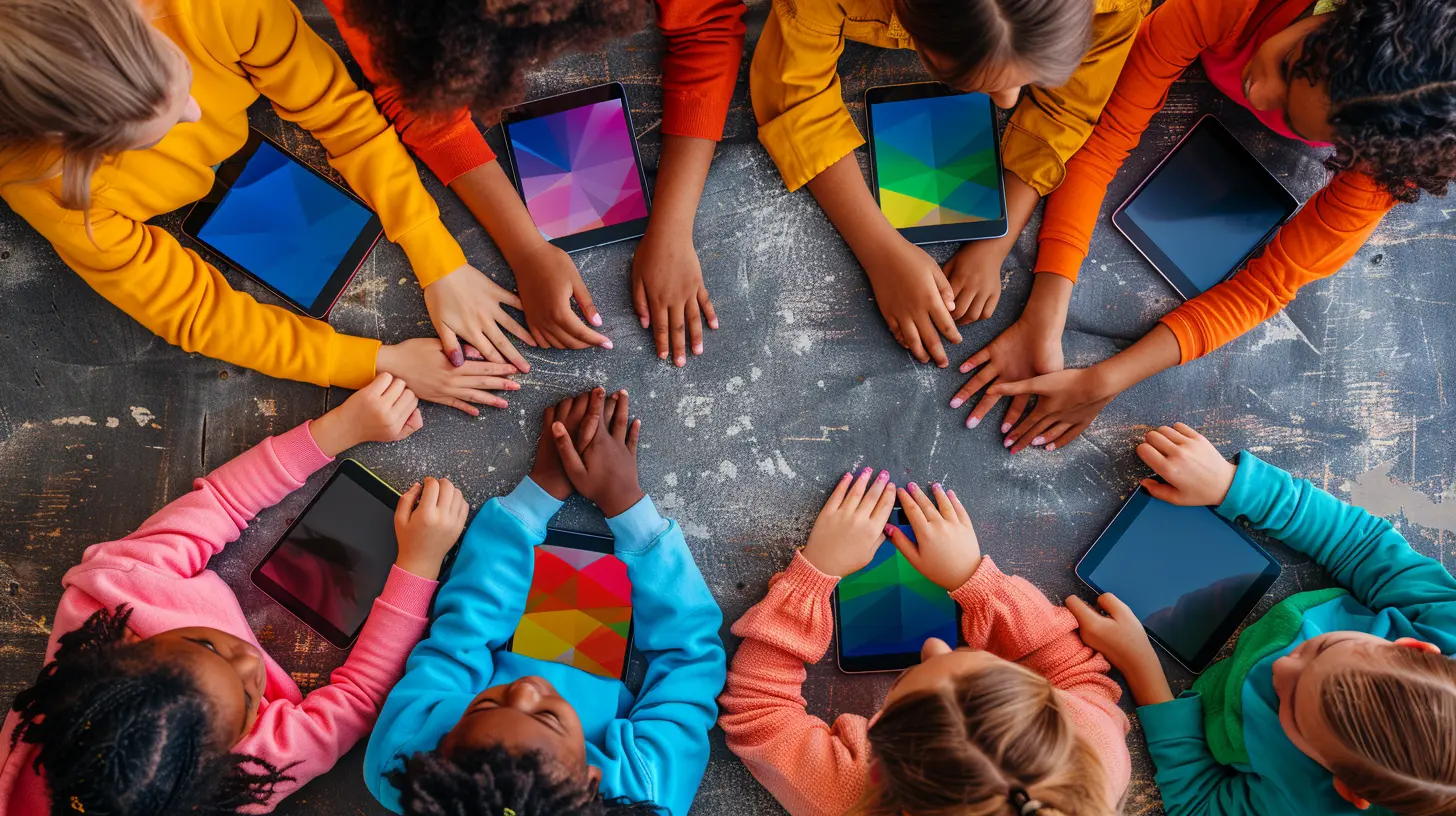
Increased Student Engagement
Let’s be honest—students are glued to their devices 24/7. Rather than fighting it, BYOD flips the script. When students use their own devices for schoolwork, they’re usually more engaged and motivated.Why? Familiarity increases comfort. When students work with tools they already know, there’s less time wasted learning how to "use the tech" and more time actually using it to learn.
Plus, BYOD encourages interactive, personalized learning. Whether it's using apps like Kahoot!, Google Classroom, or educational games, students end up participating more. And participation leads to better retention.
Kind of like giving them a steering wheel they're already used to—less fumbling, more driving.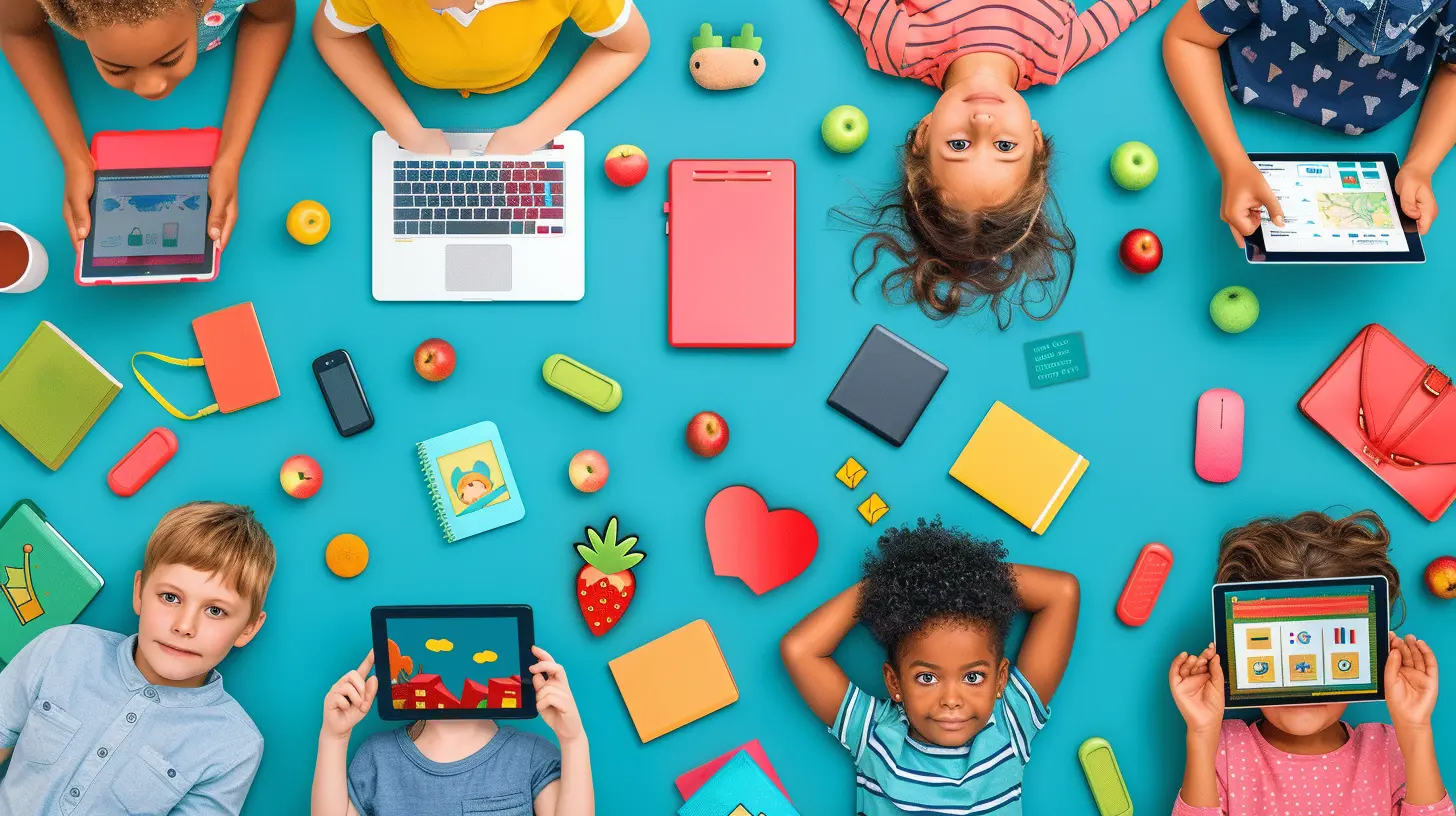
Personalized Learning at Its Best
No two students learn the same way. Some are visual learners, some thrive on reading, others need to hear it to get it. BYOD allows students to choose apps, tools, and techniques that match their learning style.A student who struggles with reading? Maybe they use text-to-speech apps. Another student needs help staying organized? There’s an app for that too. BYOD lets learners take charge of their own education in a way that’s flexible, adaptable, and—most importantly—effective.
This kind of personalization just isn’t possible when everyone gets the same school-issued device with a locked-down setup.
Real-World Tech Skills
Let’s not forget—today’s students are tomorrow's workforce.BYOD helps students level up on real-world tech skills. They learn how to juggle different applications, manage digital files, troubleshoot devices, and stay organized—skills they’ll absolutely need in college, the workplace, and beyond.
More than that, they learn digital responsibility. Managing digital time, avoiding distractions, recognizing threats—all of it becomes part of the day-to-day. It’s not just about learning with tech; it’s about learning how to live with tech, responsibly.
Promotes Equity (Surprisingly!)
Now, this might sound backward at first. How can having students bring their own stuff promote equity, when some families can't afford high-end devices?Here’s how: When BYOD policies are thoughtfully implemented, schools can create a hybrid environment. Students with their own devices bring them, while schools provide loaner devices for those who don’t have one. The key? Give everyone access without forcing uniformity.
Plus, students often prefer using their own devices. It gives them a sense of ownership and confidence, especially when the school ensures that device type doesn’t limit what a student can do.
It’s like running a potluck of technology—everyone brings something, and no one goes hungry.
Encourages Responsibility and Digital Citizenship
Imagine being handed a school-owned laptop. It's not yours, so you might not treat it like it's yours. But when students bring their own devices, there’s a shift in behavior. They're more likely to take care of their equipment—they paid for it, they rely on it, and it’s something they use outside of school too.This responsibility naturally extends to digital citizenship. BYOD policies give schools the perfect excuse to teach online ethics, data privacy, respectful communication, and cyber safety.
Instead of lecturing students once a year about "how to be safe online,” schools can weave those lessons into daily use. Practice makes ethical—and digital citizens are made, not born.
BYOD Supports Spontaneous Learning
Sometimes the best learning happens outside structured lessons. Maybe a student has a question mid-lecture. With their device handy, they look it up. Or maybe they dive deeper into a topic out of pure curiosity—watch a video, read an article, or find a related app.This kind of curiosity-driven learning is powerful—and BYOD makes it possible.
It’s like handing students the keys to a library that’s always open, always evolving, and always just a few taps away.
Supports Remote and Blended Learning
We all saw what happened when learning had to go remote in 2020. Schools that had BYOD policies in place had a smoother transition. Why? Students already had devices. They already knew how to use them. Teachers were already integrating tech into daily instruction.Even now, blended learning—part in-person, part online—is becoming the norm. BYOD fits perfectly into that model. Students don’t lose momentum when they shift between home and classroom. They just keep learning, wherever they are.
It Encourages Collaboration
Learning is a team sport.With BYOD, students can easily collaborate on projects using cloud-based tools like Google Docs, Microsoft Teams, or even Zoom breakout rooms. They can share screens, update group documents in real-time, and give feedback instantly.
It also makes teacher-student communication more fluid. Need help after school? Shoot an email or join an online chat. BYOD strengthens the digital community within the classroom and beyond.
The Challenges (And How to Handle Them)
Of course, no policy is perfect. BYOD comes with its fair share of challenges:- Distractions: Yes, TikTok and Snapchat are just a swipe away. But with solid digital citizenship education and monitoring tools, schools can manage this.
- Security Risks: Personal devices can be more vulnerable to malware or data breaches. That’s why schools need robust cybersecurity, secure networks, and device-use policies.
- Device Compatibility: Not all apps work on all devices. The trick? Use cross-platform tools like Google Drive or browser-based software.
The good news? These challenges aren’t deal-breakers—they’re just hurdles. And with the right strategy, schools can leap right over them.
Final Thoughts: The Future Is BYOD
BYOD is more than just another education trend—it’s a powerful shift in how schools deliver learning. It puts students at the center, empowers them with tools they’re already comfortable with, and prepares them for the digital future.Sure, it needs planning, policies, and a bit of patience to get it right. But the benefits? They’re too great to ignore.
More engagement. More flexibility. More personalized learning. And let’s not forget the real-world tech skills students pick up along the way. If schools want to prepare today’s learners for tomorrow’s challenges, BYOD isn't just helpful—it’s essential.
So maybe it’s time to stop asking, “Should we adopt BYOD?” and start asking, “How can we make BYOD work best for our students?”
Because ready or not, the future of education is mobile, digital, and BYOD is leading the charge.
all images in this post were generated using AI tools
Category:
Classroom TechnologyAuthor:

Olivia Lewis
Discussion
rate this article
2 comments
Marigold Wolf
BYOD policies in schools foster enhanced learning by promoting student engagement and personalized education. They empower students to use familiar devices, facilitating collaboration and access to diverse resources. Additionally, these policies can ease the financial burden on schools while preparing students for a tech-driven future. A win-win approach!
March 30, 2026 at 4:33 AM
Olivia Lewis
Thank you for your insightful comment! I completely agree that BYOD policies can significantly enhance student engagement and collaboration while also preparing them for future tech challenges. It's a great step towards personalized education!
Erica Bowman
Absolutely love the idea of BYOD in schools! 🌟 It empowers students to learn with the tools they're comfortable with and fosters a sense of responsibility. Let's embrace this tech-savvy approach and watch creativity and collaboration soar! Keep up the great work, educators! 🚀
March 23, 2026 at 8:29 PM
Olivia Lewis
Thank you! We're excited about the potential of BYOD to enhance learning and foster collaboration among students. Your enthusiasm is appreciated!