The Impact of Physical Education on Academic Performance
23 March 2026
When we think of school, we usually picture textbooks, exams, and long hours sitting in a classroom. But let’s flip that image for a second. Picture students running on a track, playing basketball, or stretching on a yoga mat. That’s physical education (PE), and believe it or not—it’s just as vital to academic success as any lesson in math or science.
In this blog post, we’re diving deep into how physical education plays a major role in shaping academic performance. We'll uncover the benefits, debunk some myths, and connect the dots between movement and learning. Spoiler alert—it’s more than just “blowing off steam.”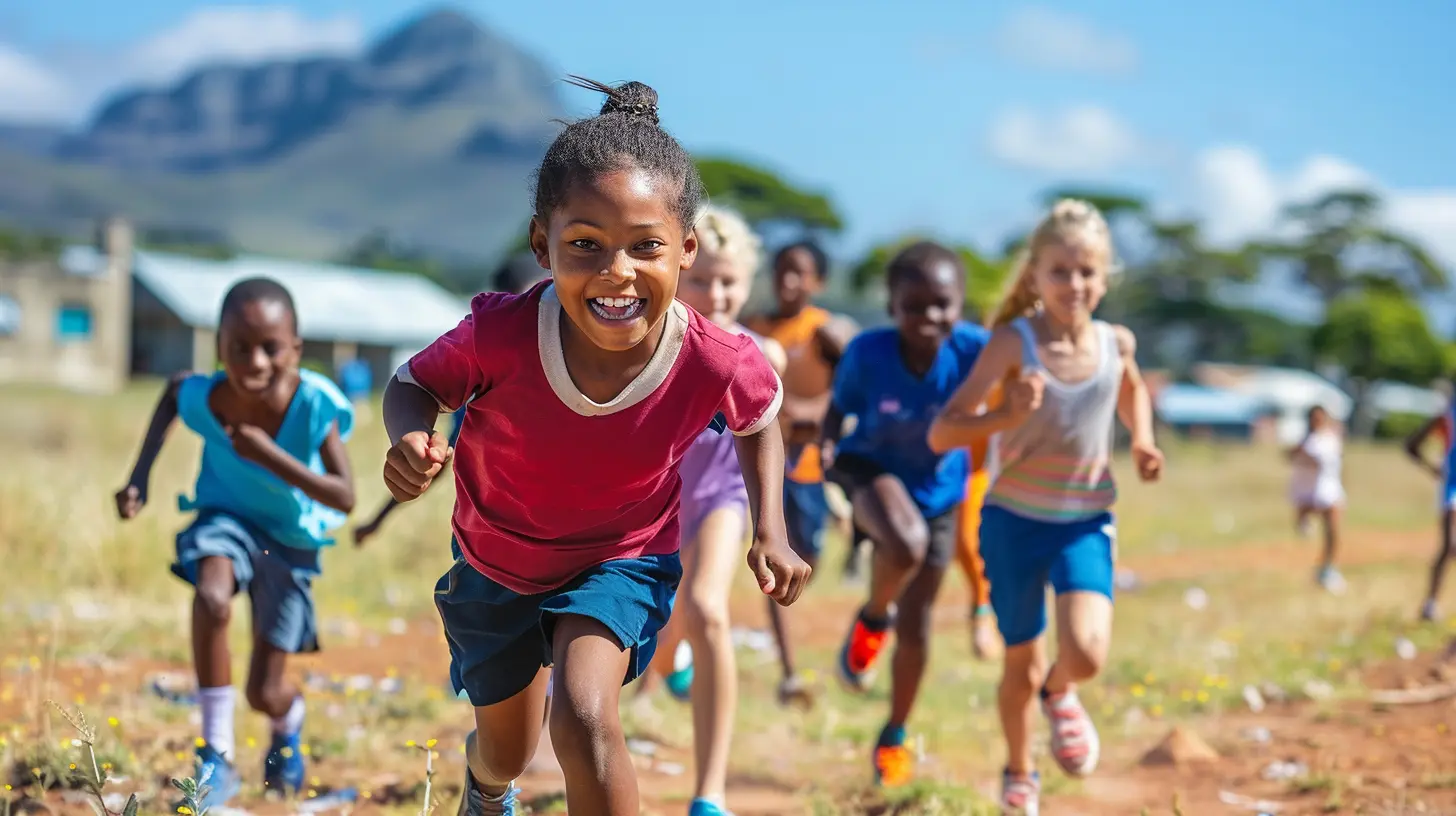
Why Physical Education Still Matters
Let’s be real: PE often gets tossed aside as a “fun break” from the serious business of learning. But research and real-life experience say otherwise. Physical education helps improve students' focus, memory, energy levels, and even their emotional well-being—key ingredients for academic success.Not Just Playtime
Sure, kicking a soccer ball might look like just play, but there’s real science behind what’s happening. Physical activity increases blood flow to the brain, which boosts brain function. Think of it like rebooting your computer when it’s lagging—exercise does that for your brain.Also, during physical activity, our bodies release endorphins (those feel-good chemicals), dopamine, and serotonin. These not only improve our mood but also enhance cognitive function—meaning better concentration, sharper memory, and improved problem-solving skills.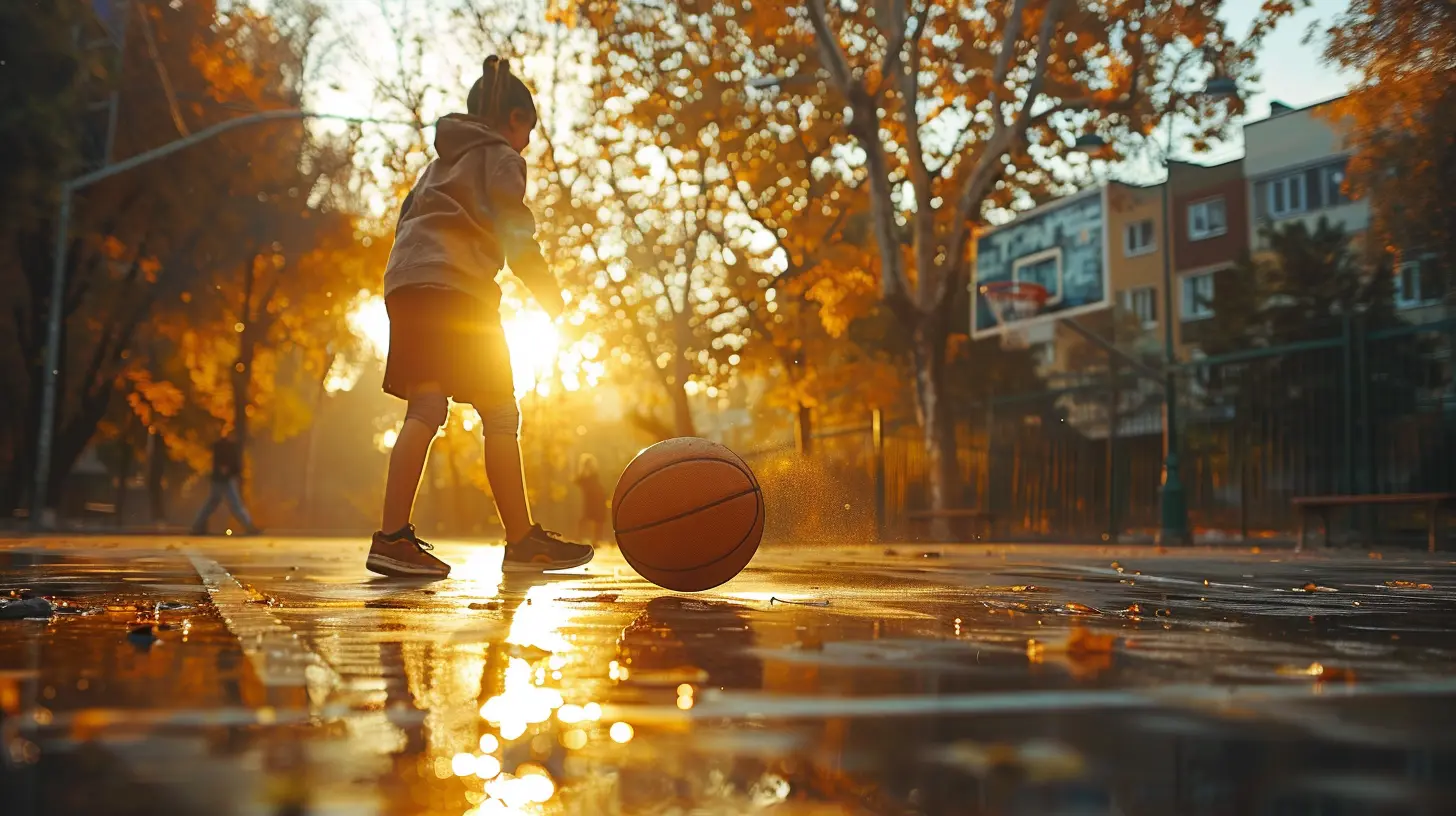
PE and Brain Power: What's the Connection?
Now let’s get into the nitty-gritty. How exactly does PE impact learning?1. Improved Concentration and Attention Span
Ever tried sitting still and focusing after a long, lazy morning? It’s tough, right? The same thing happens for students. Physical activity acts like a natural booster shot for focus. When kids move, their attention span increases.A 2013 study in the journal Pediatrics found that kids who were more physically active performed better on tasks requiring concentration and attention. Physical movement helps reset and recharge the brain, making it easier to focus on complex academic work afterward.
2. Boost in Memory and Learning
Have you noticed how walking around while rehearsing a speech helps you remember better? That’s no coincidence. Exercise stimulates the hippocampus, the part of the brain involved in memory and learning.Some schools that incorporate consistent physical activity into the day report measurable gains in test scores. Active kids tend to remember facts better and recall them faster. PE, in this sense, becomes a kind of mental fuel.
3. Better Behavior and Emotional Control
Let’s not forget the emotional benefits. When students are physically active, they’re less likely to show signs of stress and aggression. Exercise regulates mood, reduces anxiety, and fosters self-discipline. All this adds up to better classroom behavior—less disruption, more learning.Think of PE as a built-in emotional release valve. Kids with a healthy outlet for energy and stress are better equipped to cooperate, listen, and engage in the classroom.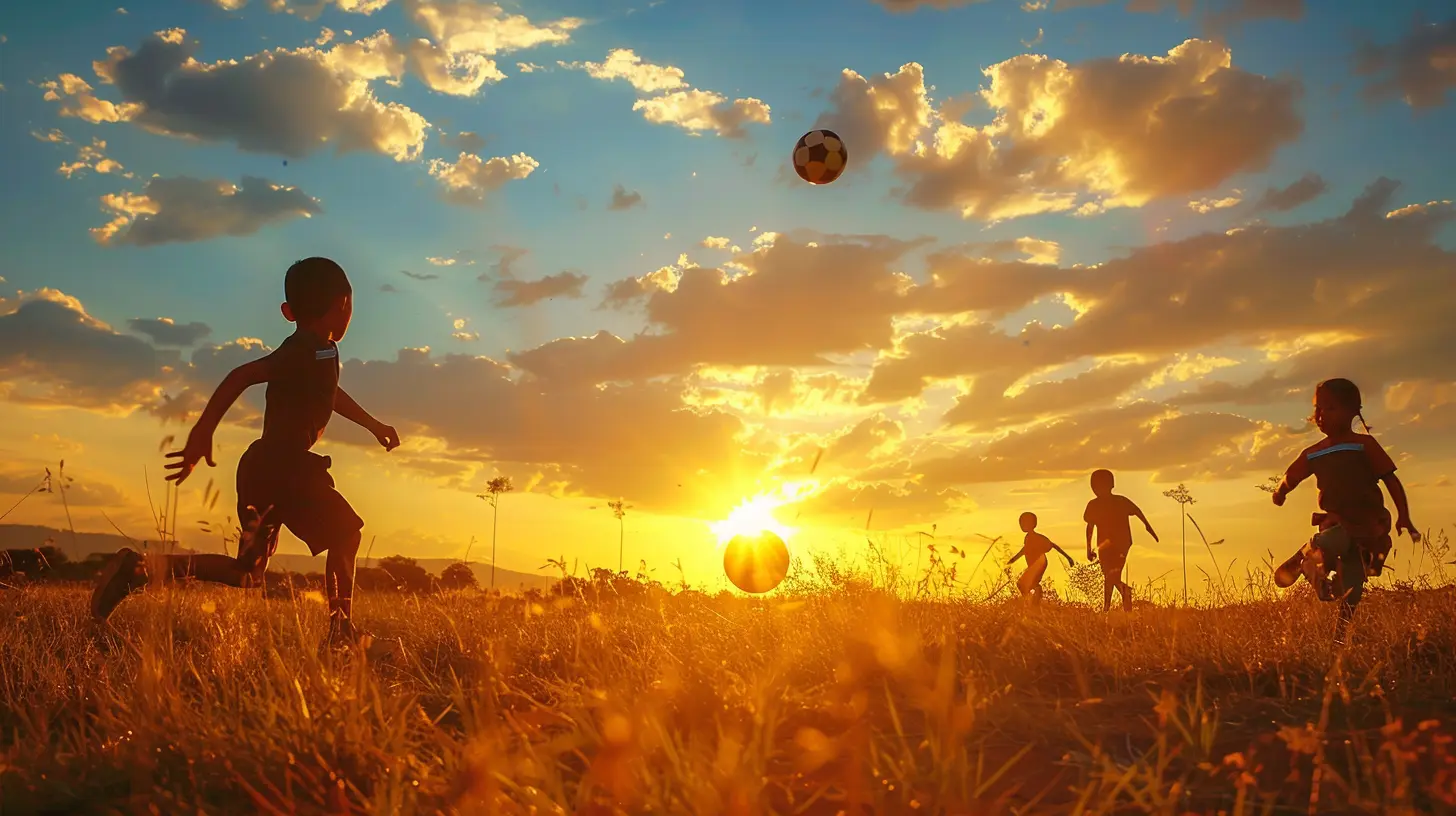
The Academic Edge: Studies That Prove the Point
Need hard data to back this up? Let’s look at what research says.- A study by the Centers for Disease Control and Prevention (CDC) reviewed multiple studies and concluded that physical activity was positively associated with academic performance, including grades and standardized test scores.
- In Naperville, Illinois, a school district introduced a program that added physical activity before morning math classes. Not only did students’ fitness levels improve, but math scores also soared.
- A 2019 study published in The Lancet showed that just 20 minutes of moderate physical activity improved cognitive control in adolescents.
The takeaway? The brain and body thrive together. When one gets better, so does the other.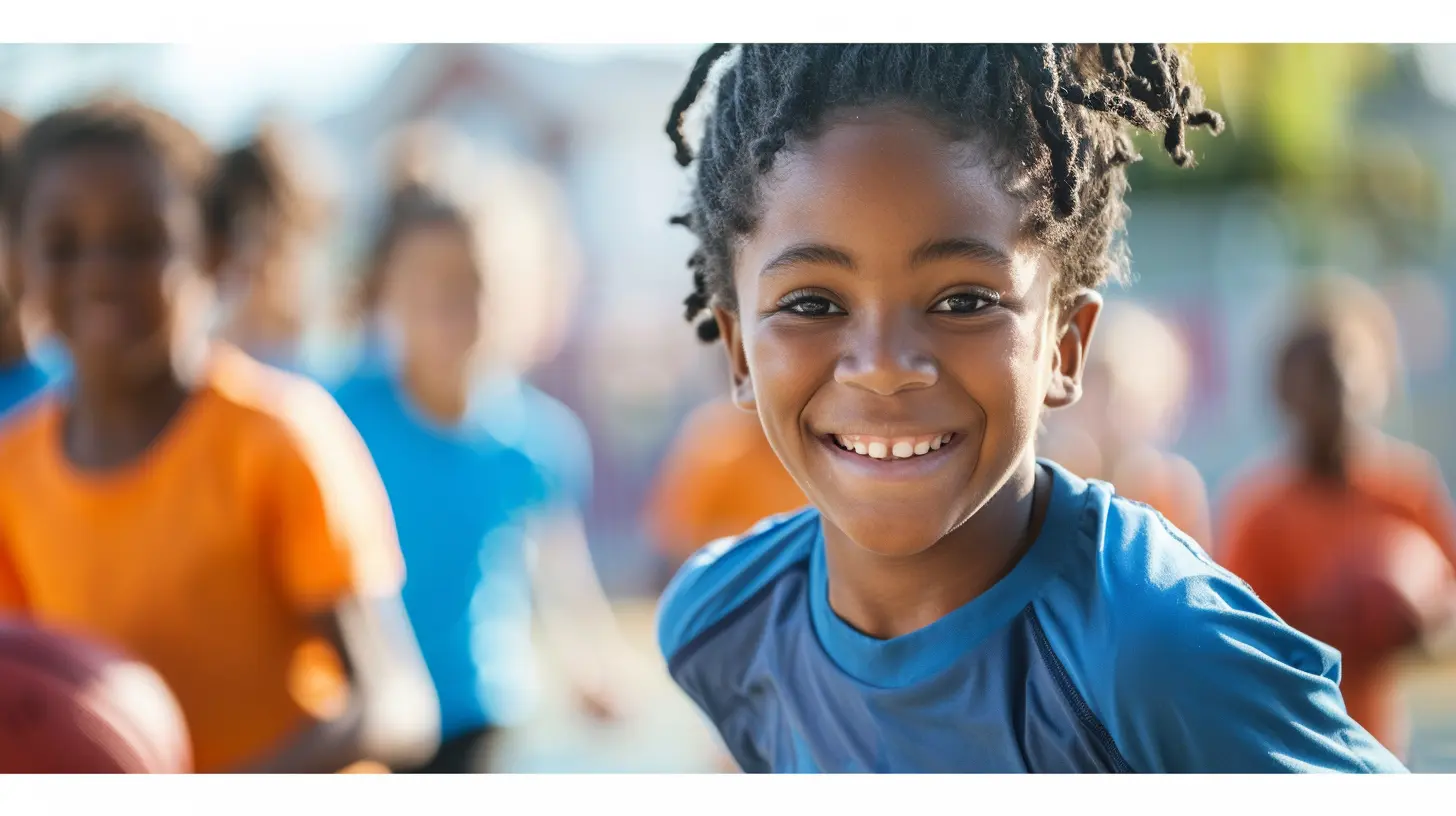
Physical Activity and Academic Subjects: A Two-Way Street
You might be wondering—does physical education actually help with specific subjects like math, language arts, or science?Math and Movement
Math requires logic, sequencing, and focus—all skills boosted by exercise. Activities like dance or step-based workouts can help students understand patterns and numbers through rhythm and pace.Plus, that sharpness after a good round of exercise? Perfect for tackling tough problems and equations.
Reading and Language Skills
Playing team sports can strengthen listening and communication skills, both critical in reading comprehension and language development. Also, when kids learn new games or physical challenges, they're picking up new vocabulary and following complex instructions—more reading practice in disguise.Science and the Human Body
Science comes alive when students understand their own bodies through PE. Concepts like respiration, digestion, and muscular systems aren't just textbook theories—they're part of everyday experience during physical activity.A Time Investment That Pays Off
One argument against PE is that it “takes up valuable learning time.” But here’s the twist—physical education doesn’t take away from learning. It actually enhances it.Schools often feel pressure to cram in textbook content. But reducing PE time may backfire. When students have fewer chances to move, they become restless, less focused, and even perform worse academically.
Think of PE as the oil that keeps the academic engine running smoothly. Skip it, and that engine risks stalling.
Social Benefits That Support Academic Success
Learning isn't just about books—it's also about social interaction. PE classes provide a structured setting where students learn teamwork, leadership, and communication.These soft skills make a huge difference in the classroom. A student who learns how to lead a team in soccer is more likely to take initiative during group projects. One who cheers on a classmate in relay races might be more empathetic during class discussions.
In a way, PE helps build the “people skills” that make lessons stick and group work more effective.
The Role of PE in Mental Health and Its Academic Impact
Mental health and academic performance go hand in hand. Depression, anxiety, and chronic stress can all hinder a student's ability to focus and retain information.Regular physical activity has been shown to reduce symptoms of anxiety and depression. By keeping students mentally fit, physical education lays the foundation for more effective studying, better sleep, and a healthier response to academic pressure.
PE is more than just a buffer against stress—it’s a tool for building resilience.
Creating a Balanced Curriculum
So how do we strike the right balance between academics and physical education?Integrated Learning Models
Some schools are adopting models where physical activities are tied directly into the academic curriculum. For instance, students might do math while jumping in place (e.g., solving addition problems with each hop). This kind of kinesthetic learning not only keeps students engaged but also helps cement concepts in memory.Scheduled Daily Activity
Rather than treating PE as an afterthought or a once-a-week affair, many educators recommend at least 30–60 minutes of physical activity daily. This could include PE class, recess, brain breaks, or after-school sports.By prioritizing movement, schools create an environment that supports both physical and academic growth.
What Parents and Educators Can Do
You don’t need to be a PE teacher to make a difference. Here are a few simple ways parents and educators can support physical activity for better academic performance:- Encourage movement breaks: Short breaks between lessons help reset focus.
- Promote after-school sports: Joining teams builds both brains and bodies.
- Model active behavior: Kids who see adults valuing fitness are more likely to follow suit.
- Advocate for PE: Speak up about keeping or increasing PE time in schools.
Let’s stop seeing PE as “optional” and instead recognize it for what it really is—a core part of a successful education.
Final Thoughts: It's Time to Rethink PE
At the end of the day, physical education isn’t just about jumping jacks and dodgeball. It’s about preparing kids for the world—mentally, physically, and socially.If we want students who are not only smarter but also happier, more focused, and socially confident, we need to give physical education the spotlight it deserves. It’s not just "extra"—it’s essential.
So the next time someone says PE doesn’t matter for grades, you’ll know better.
all images in this post were generated using AI tools
Category:
Physical EducationAuthor:

Olivia Lewis
Discussion
rate this article
2 comments
Diana McGrath
Who knew running in circles could fuel straight A's? It turns out that dodging dodgeballs may be the secret sauce to boosting brainpower. PE: Where sweat meets success, one push-up at a time!
March 29, 2026 at 5:10 AM
Olivia Lewis
It's interesting how physical activity can enhance focus and learning. PE really does play a crucial role in academic success!
Lisa Klein
Fit bodies, sharper minds—education's perfect pairing!
March 25, 2026 at 3:28 AM
Olivia Lewis
Absolutely! Physical education plays a crucial role in enhancing both physical health and cognitive abilities. It's a win-win for students.