The Importance of Sketchbooks in Developing an Artist's Voice
2 January 2026
Art is a language without words, a melody without sound—an echo of the soul splashed onto a page, bursting with raw, unfiltered emotion. But where does this voice begin? How does an artist find their rhythm, their style, their truth?
Enter the humble sketchbook—a sacred space, a playground of thoughts, a diary of creation. It’s where voices are sculpted, where mistakes are celebrated, and where artistic identity takes its first breath.
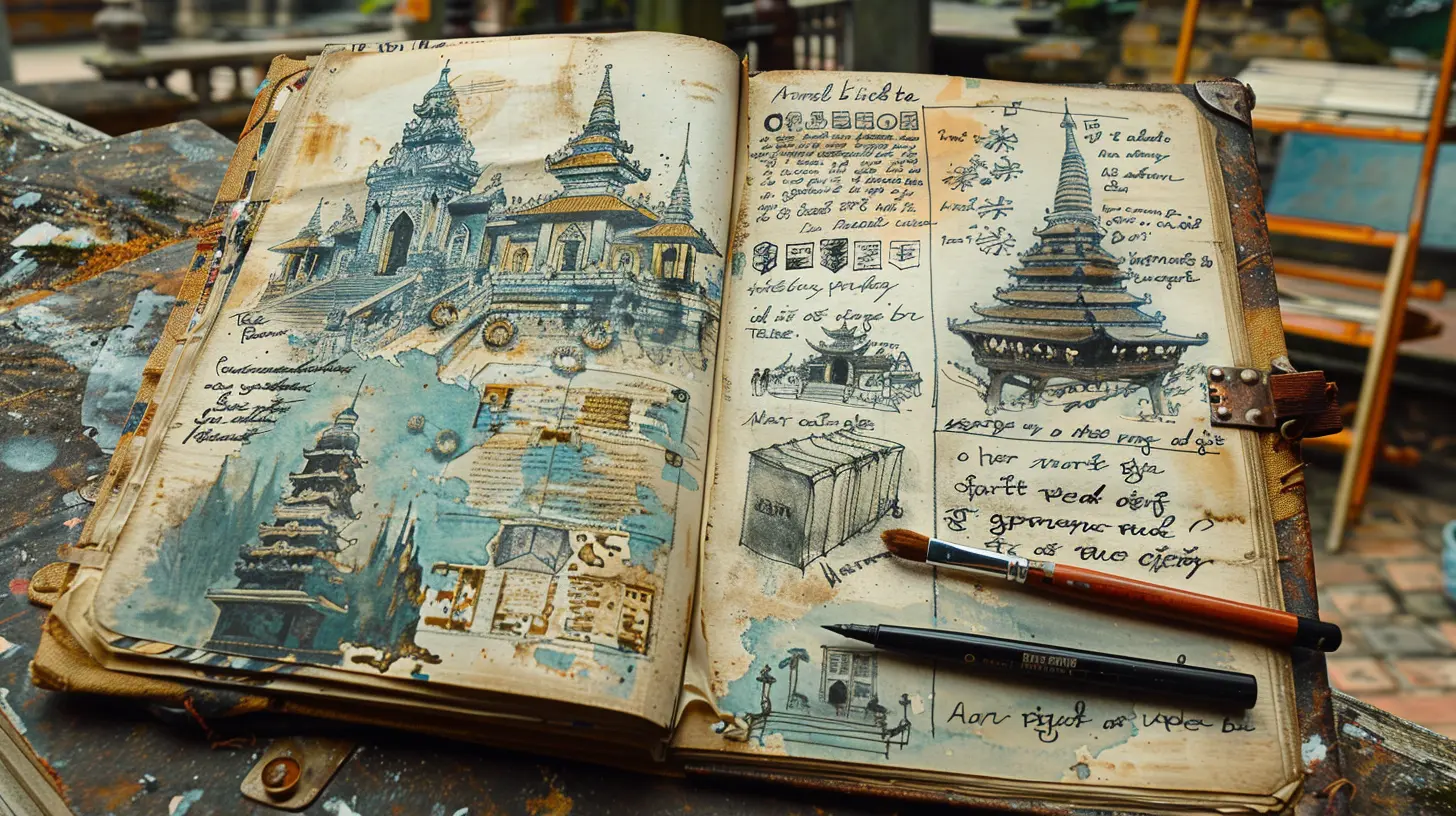
A Sketchbook is More Than Just Paper
A sketchbook isn’t just a collection of doodles or scribbles; it’s a living, breathing extension of the artist’s mind. Think of it as a diary—only instead of words, it’s filled with lines, shadows, and colors.It’s the one place where there are no rules, no expectations, no pressure for perfection. Every page is a conversation between the artist and themselves, whispering secrets that no canvas or gallery ever hears.
1. A Safe Space for Experimentation
In a world obsessed with perfection, sketchbooks offer a rare oasis of freedom. They’re where ideas run wild, where mistakes aren’t erased but embraced.Ever tried drawing with your non-dominant hand just for the fun of it? Or mixed colors that shouldn’t belong together—only to discover a shade that sings? That’s the magic of a sketchbook. It’s a playground, a science lab, and a meditation space all rolled into one.
Many famous artists, from Da Vinci to Picasso, used their sketchbooks not just to refine their skills but to explore uncharted territory. They weren’t just practicing; they were discovering.
2. The Birthplace of Artistic Identity
Every artist dreams of having a signature style—something so uniquely them that, with a single glance, people just know.But style isn’t found overnight. It’s carved out, little by little, in the pages of a sketchbook.
A habitual sketcher will notice patterns emerging—certain lines becoming softer or bolder, a recurring subject, a love for a specific texture or movement. The sketchbook doesn’t just record an artist’s journey; it shapes it.
3. A Chronicle of Growth
Flip through the pages of an old sketchbook, and what do you see? The evolution of an artist.There are pieces filled with hesitation, shaky lines, ideas half-formed. Then, as the pages turn, confidence blooms. Strokes become fearless, compositions more daring.
A sketchbook is proof that growth happens in the unseen moments—the quiet practice, the casual doodles, the pages that never make it to Instagram. It’s a time machine, a mirror, a reminder of how far one has come.
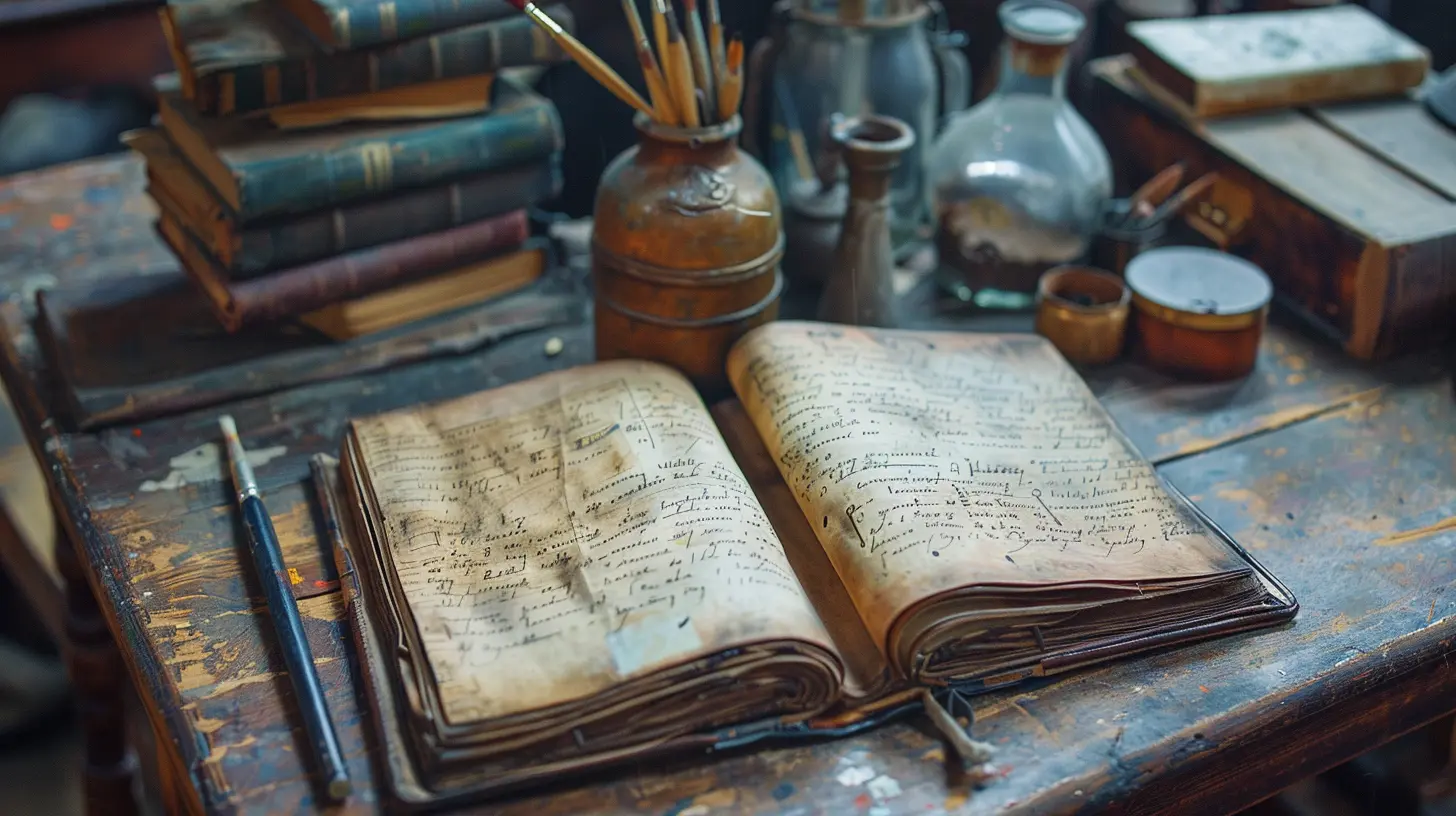
Sketchbooks as a Tool for Mindfulness
Beyond technique and skill, sketchbooks hold another secret power: they ground you in the present.Think about it. When you lose yourself in drawing, there’s no past, no future—only now. The sound of the pencil scratching against the paper, the flow of ink, the spontaneous dance of lines—all of it pulls you into the moment.
In an era of endless distractions, sketching is a rare kind of meditation. It quiets the mind, silences self-doubt, and allows intuition to take the reins. It’s therapy without words, healing without prescription.
4. A Place to Capture Fleeting Moments
How often do we let ideas slip away, convincing ourselves we’ll remember them later?A sketchbook serves as a visual notebook—a way to capture thoughts before they vanish. That quick sketch of a passerby’s posture, the spontaneous doodle inspired by a rainy window, the abstract mess that somehow feels right—these are the seeds that blossom into greater works.
Creativity is like a river, always flowing. A sketchbook is your cup, catching just enough to quench your artistic thirst.
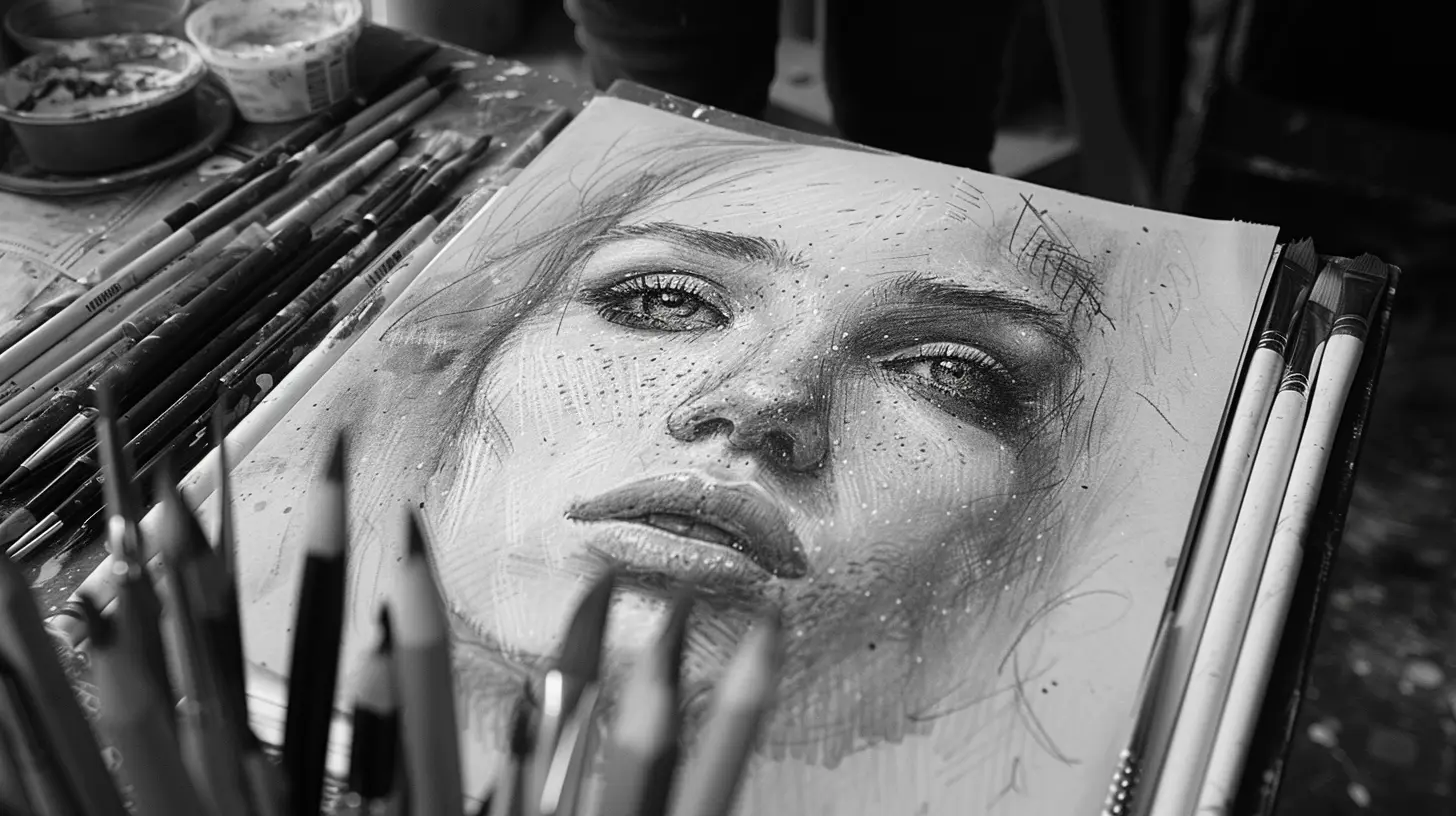
Pushing Boundaries Without Fear
One of the biggest fears artists face is the fear of messing up. That blank canvas? Terrifying. That expensive watercolor paper? Too precious to "waste."But a sketchbook? It’s forgiving. It invites risk-taking. It nudges you to just try.
Ever wanted to sketch with a twig dipped in ink? Go for it. Draw your dreamscape in neon highlighter? Why not? Fill an entire page with nothing but spirals, just to see what happens? No one’s stopping you.
5. Reclaiming the Joy of Creating
Somewhere along the way, many artists start chasing validation—likes, followers, commissions. The act of creating, once a joyful escape, becomes a measured task.But a sketchbook reminds us why we started in the first place. It takes us back to childhood, when drawing wasn’t about being good or bad—it was just fun.
When no one's watching, when there's no pressure to impress, the purest form of expression emerges.
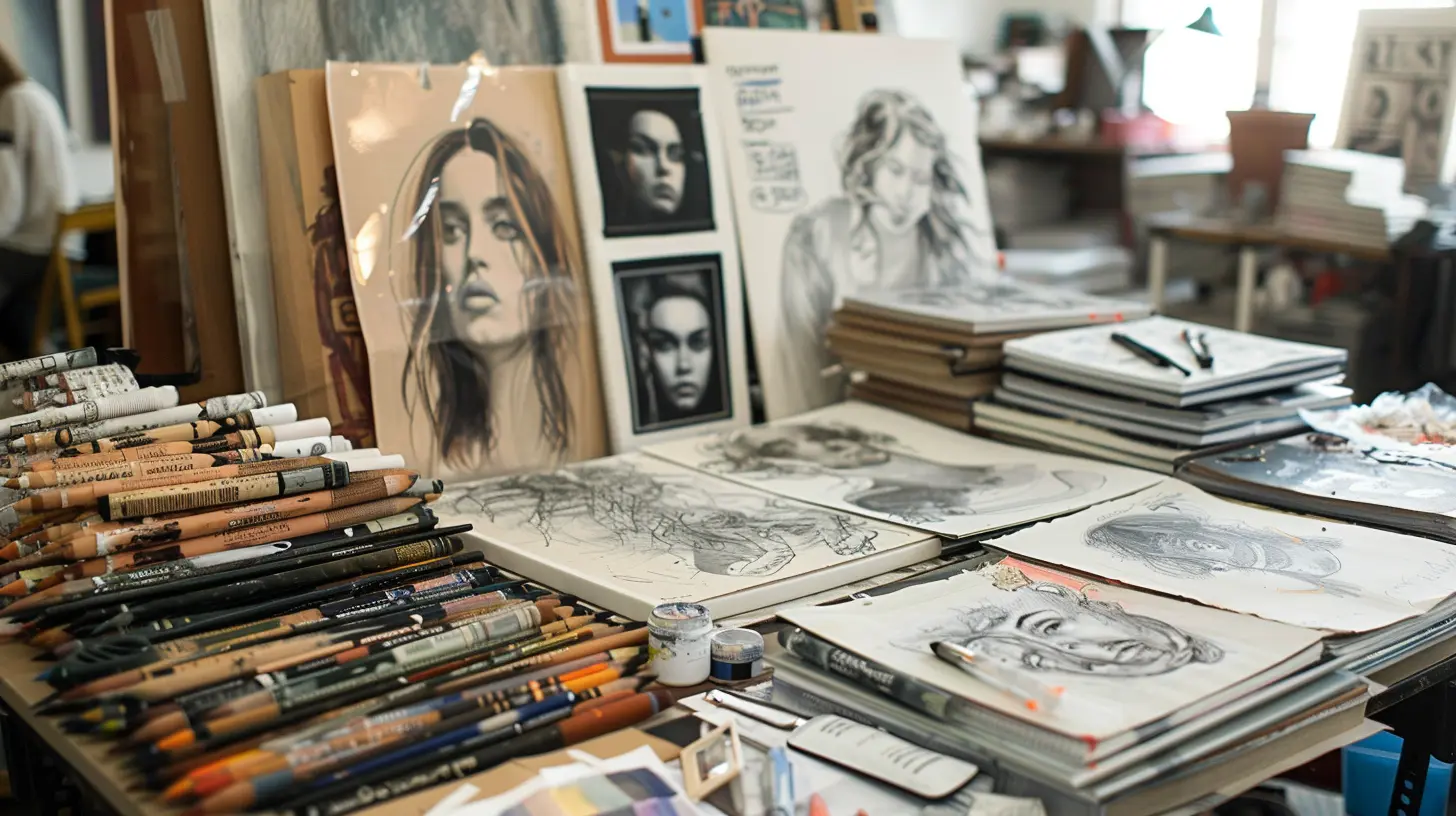
The Sketchbook as a Lifelong Companion
Artists change. Styles evolve. Inspiration comes and goes. But a sketchbook remains constant—a trusted companion through every season of creativity.It’s always waiting, blank pages ready to soak up whatever worlds an artist dreams up next.
So if you’re an artist, aspiring or seasoned, let your sketchbook be your sanctuary. Fill it with reckless abandon. Let it be messy, raw, imperfect. Let it be yours.
Because within its pages, your voice is forming, growing, whispering its way into existence—one sketch at a time.
Conclusion
A sketchbook isn’t just a tool—it’s an artist’s soul laid bare. It’s where ideas take shape, where voices find their tone, and where creativity thrives without judgment. Whether for practice, experimentation, mindfulness, or pure joy, sketchbooks are a vital part of an artist’s journey.So pick up that sketchbook. Trust the process. And most importantly, never stop drawing.
all images in this post were generated using AI tools
Category:
Art EducationAuthor:

Olivia Lewis
Discussion
rate this article
2 comments
Charlotte McCullough
Sketchbooks are the lifeblood of creativity! They empower artists to explore, experiment, and evolve their unique voice. Embrace this powerful tool—every stroke brings you closer to your true self!
January 22, 2026 at 1:39 PM
Olivia Lewis
Absolutely! Sketchbooks truly unlock creativity and help us find our unique style. Every page is a step toward deeper self-expression.
Aria Coffey
Unlock hidden depths; your sketchbook holds secrets.
January 6, 2026 at 5:30 AM
Olivia Lewis
Absolutely! A sketchbook is like a treasure chest for ideas waiting to be explored. Each page can reveal something new about your creative journey.