The Power of Mobile Learning Apps in the Classroom"
17 January 2026
Let’s face it — the world is changing, and the way we teach and learn is changing with it. Walk into any modern classroom today, and you’ll likely spot students glued to their smartphones or tablets. But what if we told you those gadgets can actually supercharge learning rather than distract from it? That’s where the magic of mobile learning apps comes in.
Welcome to the digital age of education — where powerful tools fit right into your pocket. In this article, we’re diving deep into the power of mobile learning apps in the classroom and why they’re more than just a trend. Whether you're a teacher, parent, or student, you're going to want to stick around for this.
What Are Mobile Learning Apps?
Think of mobile learning apps as tiny teachers tucked inside your phone. These apps are designed to make learning interactive, accessible, and fun — all through your mobile device.From language learning to math games, coding platforms to science quizzes, mobile learning apps cover pretty much every subject imaginable. And yep, they work on smartphones, tablets, and even some smartwatches.
They’re not just digital textbooks either. The best apps are personalized, engaging, and adaptive — meaning they actually learn with you. Pretty cool, right?
Why Mobile Learning Apps Are Taking Over Classrooms
You might be wondering — why should schools care about apps when they already have textbooks and whiteboards? Great question. Here’s the scoop:1. Learning Anytime, Anywhere
With mobile apps, learning doesn’t stop at 3 PM. Students can study on the bus, review flashcards at the dentist's office, or quiz themselves before bed. It’s like having a 24/7 tutor in your pocket.There’s no more “I forgot my homework at school” excuse. If you’ve got your phone, you’ve got your classroom.
2. Personalized Learning Paths
Let’s be real — not every student learns the same way. Some are visual learners, some are hands-on, and others might need a little more time on a certain topic. Mobile learning apps often use AI to tailor content to suit the individual learner.Think of it like Netflix for education — it "recommends" what you need next and adjusts based on your progress.
3. Boosts Engagement and Motivation
Remember when learning was all about chalkboards, worksheets, and sitting still for hours? Yawn. Mobile learning apps turn lessons into games, quizzes, and challenges. Suddenly, learning becomes something kids want to do.Gamification — the process of applying game-like elements to learning — can be incredibly effective. Points, badges, leaderboards? Yes, please!
4. Real-Time Feedback
One of the most powerful aspects of mobile apps is that they give instant feedback. No more waiting days to see test results. Students know immediately if they got something right or wrong, and they can correct mistakes on the spot.This instant loop helps solidify learning and builds confidence. Imagine learning to ride a bike but only finding out two days later whether you were doing it right. Doesn’t make much sense, does it?
Key Benefits for Teachers
Okay, so it’s great for students. But what’s in it for teachers?1. Better Classroom Management
Believe it or not, when students are engaged in a learning app, they're less likely to be distracted or disruptive. Mobile apps can act like digital assistants, keeping students busy with meaningful tasks while the teacher focuses on personalized instruction.2. Easier Differentiation
Teachers are often juggling a classroom full of students at different skill levels. Mobile learning apps make it easier to provide differentiated instruction — giving each student the right level of challenge.It’s like being able to clone yourself to support every student at once. Superpower, anyone?
3. Data-Driven Decisions
Most apps come with built-in analytics. Teachers can track student progress in real time, identify problem areas, and adjust lessons accordingly. It's like having X-ray vision into each student’s learning journey.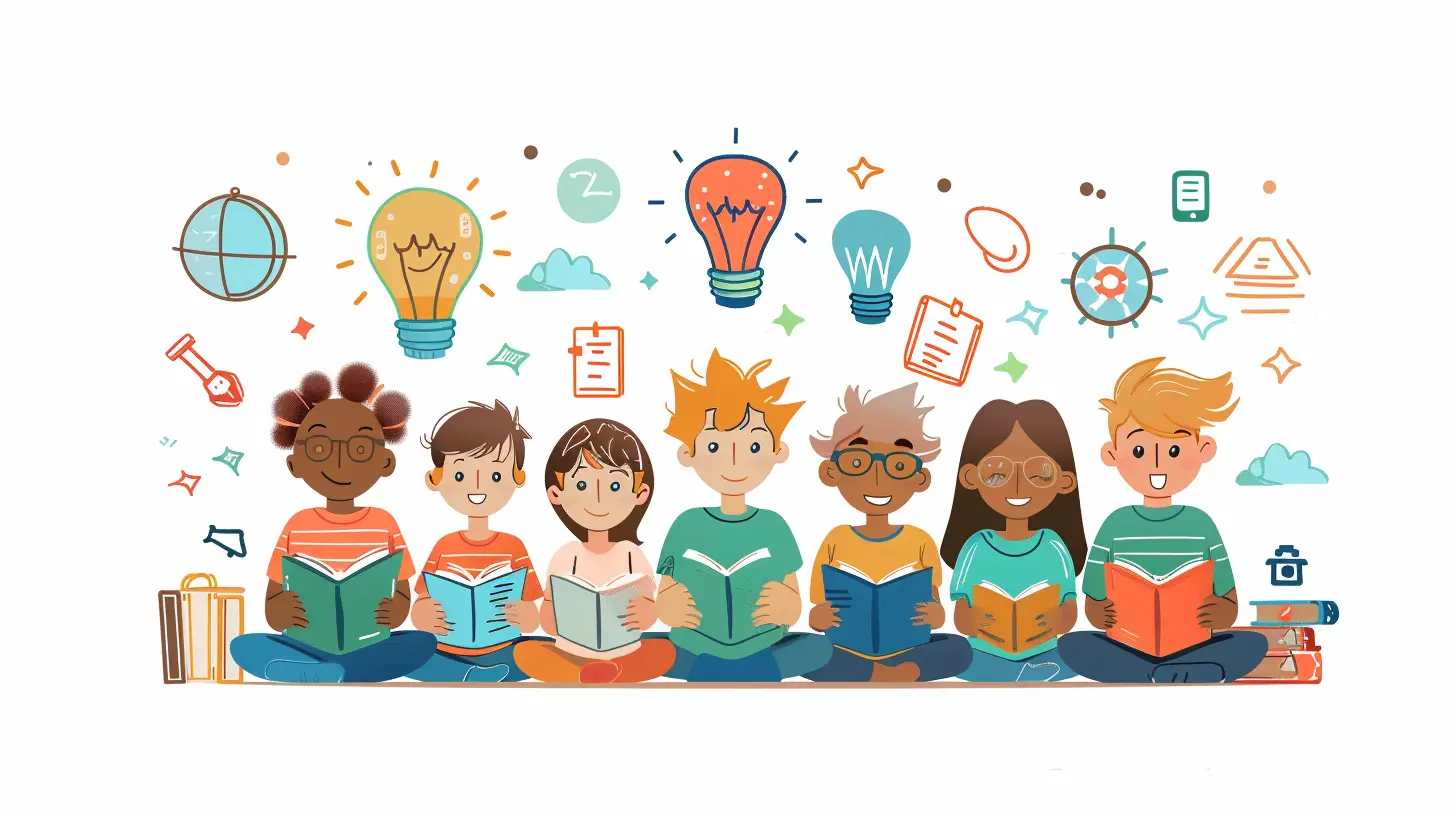
Popular Mobile Learning Apps Worth Checking Out
Let’s spotlight some student favorites that have found their way into many classrooms:1. Kahoot!
An interactive quiz app that turns lessons into fun competitions. Great for review sessions and classroom engagement.2. Duolingo
Perfect for language learning, this app uses short, gamified lessons. It’s like playing Candy Crush — but for Spanish or French.3. Google Classroom
Not your typical app, but an absolute staple for managing assignments, communicating with students, and staying organized.4. Quizlet
Helps students study through flashcards, games, and quizzes. You can create your own sets or use ones made by others.5. Photomath
Point your camera at a math problem, and this app shows you step-by-step solutions. Think of it as your personal math tutor.Of course, there are hundreds (if not thousands) of apps out there — these are just a few examples to show the variety and power.
Addressing Common Concerns of Mobile Learning
Now, let’s address the elephant in the room — the concerns. It’s not all sunshine and rainbows, right?1. Screen Time Worries
Yes, screen time is a valid concern, especially among younger students. But here’s the deal — it’s not just about how much time, but how that time is used. Educational app time is way different from scrolling through TikTok.Set app limits, encourage breaks, and use mobile learning as a supplement — not a substitute — for real-world experiences.
2. Distractions and Misuse
Sure, students might sneak onto YouTube or social media during class. That’s where digital citizenship comes in. Teaching students responsible tech use is part of 21st-century learning.Plus, many apps and platforms offer teacher controls and monitoring features to keep things on track.
3. Accessibility and Equity
Not every student has a smartphone or internet access at home. This is a serious issue, and schools need to work toward more equitable tech resources like lending programs or subsidized devices.The goal? No student left behind — especially in the digital age.
It’s Not About Replacing Teachers — It’s About Empowering Them
Let’s get one thing straight: mobile apps are tools, not teachers. They’re here to support, not replace.Great teaching will always require human connection, emotional intelligence, and creativity. That’s something no app can replicate. But when used wisely, mobile apps empower teachers to do what they do best — teach, inspire, and connect.
Think of mobile learning apps as the co-pilot, while the teacher is still the one flying the plane.
Best Practices for Using Mobile Learning Apps Effectively
So how can schools and educators make the most of mobile learning apps? Here's your crash course:✅ Integrate, Don’t Isolate
Use apps to complement your lessons — not as standalone activities. Tie them into your learning objectives and curriculum goals.✅ Choose Wisely
Not all apps are created equal. Look for ones that are age-appropriate, user-friendly, and backed by research or good reviews.✅ Encourage Reflection
Follow up app time with discussion or written reflection. Ask students what they learned, what challenged them, or how they might use that knowledge.✅ Set Clear Rules
Establish guidelines for how and when mobile devices can be used. Clear expectations = fewer disruptions.Future of Mobile Learning in Education
With technology evolving faster than we can blink, mobile learning is only going to get smarter. We can expect AI-powered tutors, virtual reality classrooms, and even more personalized content in the near future.Imagine learning history by virtually walking through ancient Rome. Or exploring the solar system from your bedroom. Mobile learning is just the tip of the educational iceberg.
Final Thoughts
The power of mobile learning apps in the classroom is undeniable. They make learning more accessible, engaging, personalized, and — let’s not forget — fun. When used thoughtfully, they can bridge learning gaps, boost motivation, and support teachers in meaningful ways.So whether you’re a teacher looking to freshen up your lessons, a parent searching for enrichment tools, or a student hungry for knowledge — mobile learning apps are your allies.
Because in today’s world, the classroom doesn’t end at the school walls. It fits right in your hand.
all images in this post were generated using AI tools
Category:
Classroom TechnologyAuthor:

Olivia Lewis
Discussion
rate this article
2 comments
Zinnia Bailey
Mobile learning apps: turning classrooms into tech-savvy playgrounds! 🎉 With a tap, students explore new worlds, tackle challenges, and unleash creativity. Who knew learning could be this much fun? Let’s embrace the future of education—one app at a time! 📱✨
February 2, 2026 at 5:17 AM
Olivia Lewis
Absolutely! Mobile learning apps are revolutionizing education, making it interactive and engaging. It's exciting to see how technology can transform learning into an adventure!
Jasmine Anderson
Embrace mobile learning apps—empowering students to thrive and engage like never before!
January 18, 2026 at 9:57 PM
Olivia Lewis
Absolutely! Mobile learning apps enhance student engagement and provide personalized learning experiences, empowering students to thrive in today’s digital classroom.