The Rise of Virtual Reality Classrooms in 2027
1 June 2026
You know that feeling when you're sitting in a lecture hall, staring at a PowerPoint slide that looks like it was designed in 1998? The text is too small, the professor is droning on about mitochondria, and you're fighting to keep your eyes open. Yeah, we've all been there. But here's the thing: that experience might be as outdated as a flip phone by 2027. Welcome to the world of virtual reality classrooms, where history feels like a movie you can walk into, and biology class means shrinking down to the size of a cell.
I'm not talking about some sci-fi fantasy where everyone wears clunky goggles and bumps into walls. I'm talking about the real, messy, and sometimes hilarious shift happening in education right now. By 2027, VR classrooms aren't just a gimmick for tech nerds-they're becoming the new normal for students from kindergarten to grad school. And honestly? It's about time.
Why 2027 Is the Year VR Finally Gets a Report Card
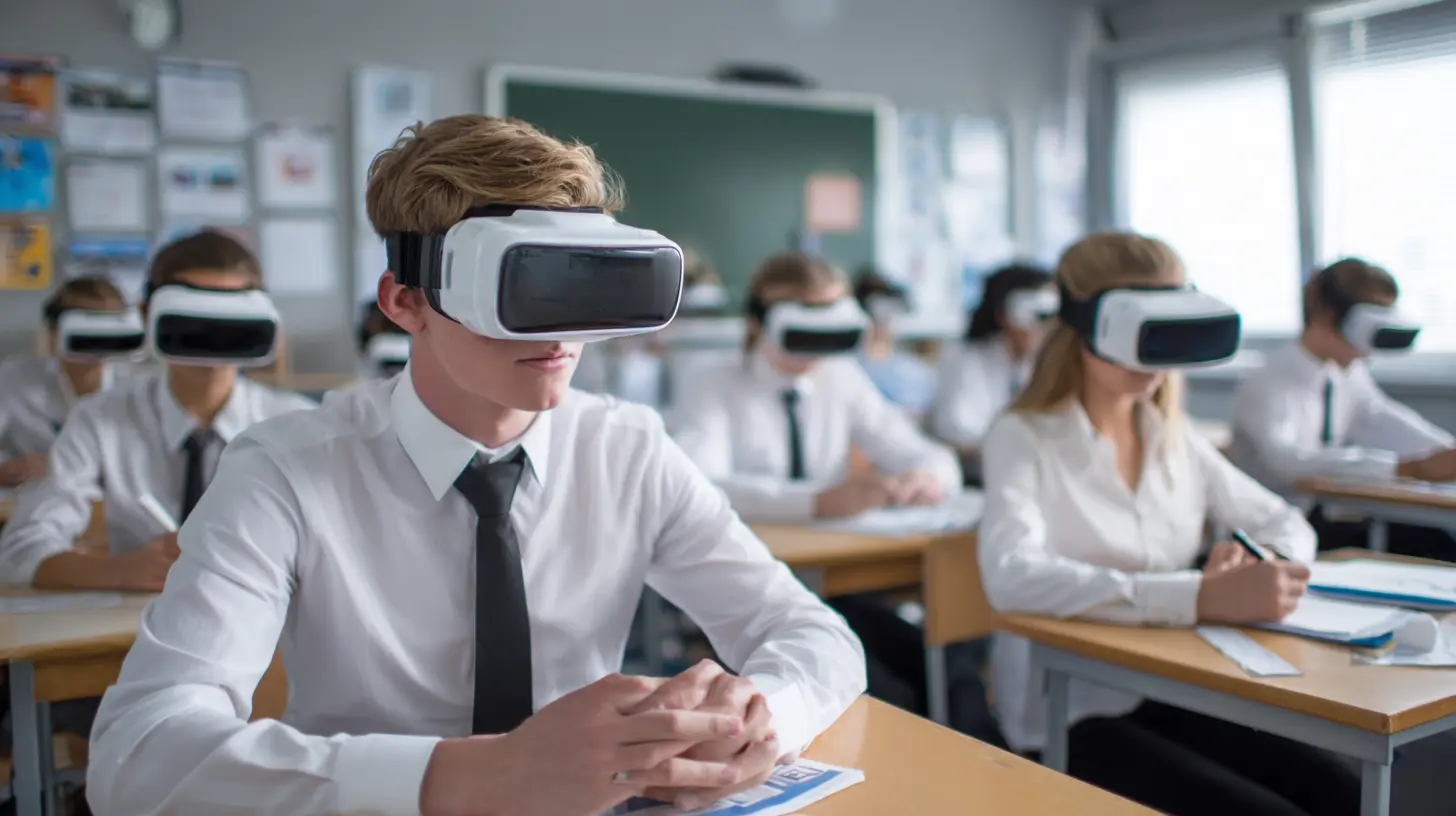
Let's be real: virtual reality has been "the next big thing" for over a decade. We've had headsets that cost as much as a used car and promised to change everything. But they didn't. Why? Because the tech was clunky, the content was boring, and nobody wanted to wear a brick on their face for more than ten minutes without getting a headache.But 2027 is different. The hardware has slimmed down. Think less "ski goggles from Mars" and more "stylish sunglasses that actually fit." The resolution is sharp enough that you can read a tiny label on a virtual beaker. And the price? It's finally dropped below the cost of a decent laptop. Schools are buying them in bulk, and parents aren't panicking about the bill.
Here's the kicker: the software got good. Remember those early VR "educational experiences" where you just floated around a 3D model of a skeleton? Yawn. Now, you can dissect a virtual frog that actually looks like a frog, not a lumpy polygon from a 90s video game. You can walk through the Colosseum in ancient Rome and hear the crowd roar. You can mess up a chemical reaction without blowing up the lab. It's learning by doing, not just by watching.
The Classroom That Fits in Your Backpack
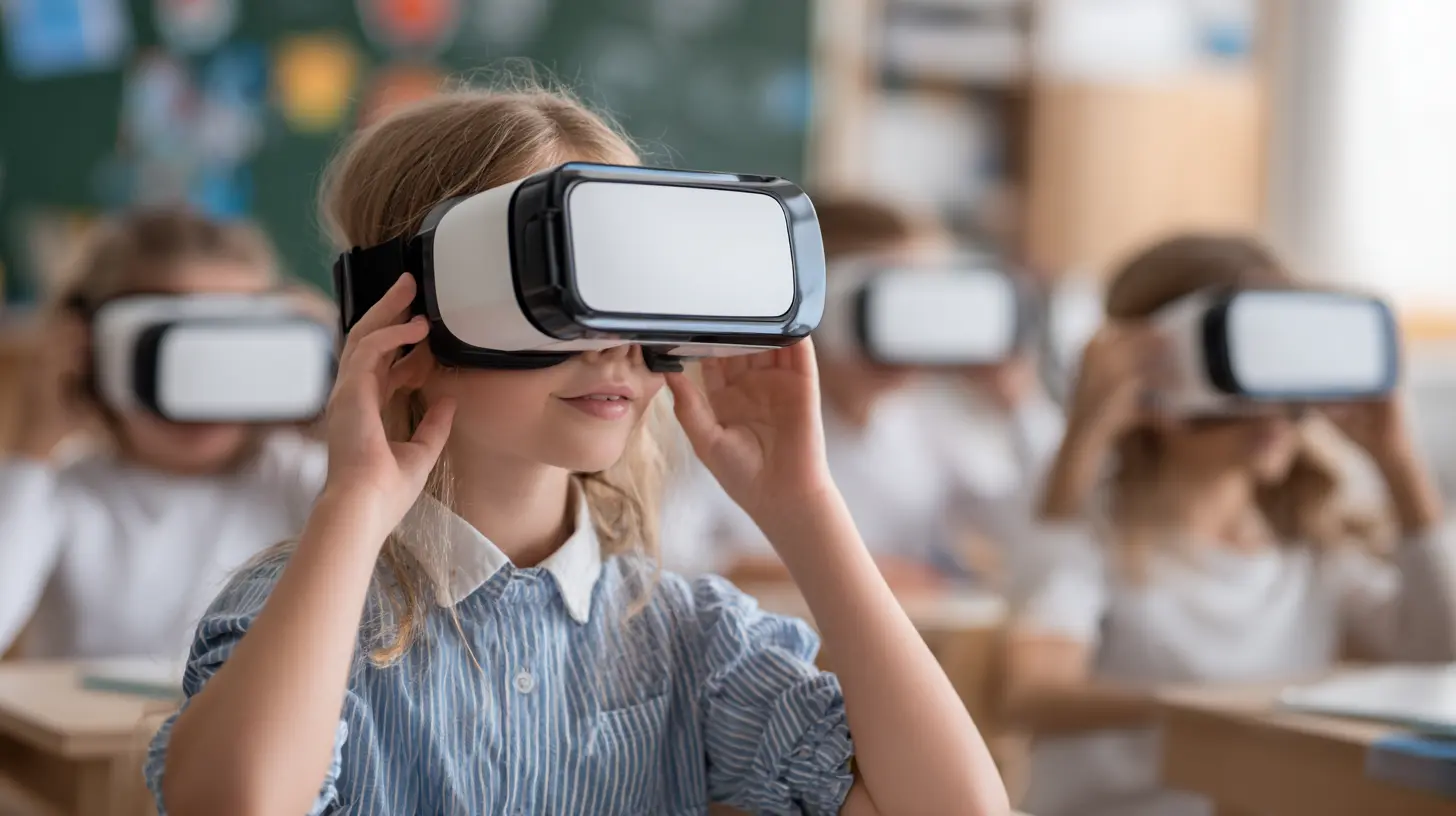
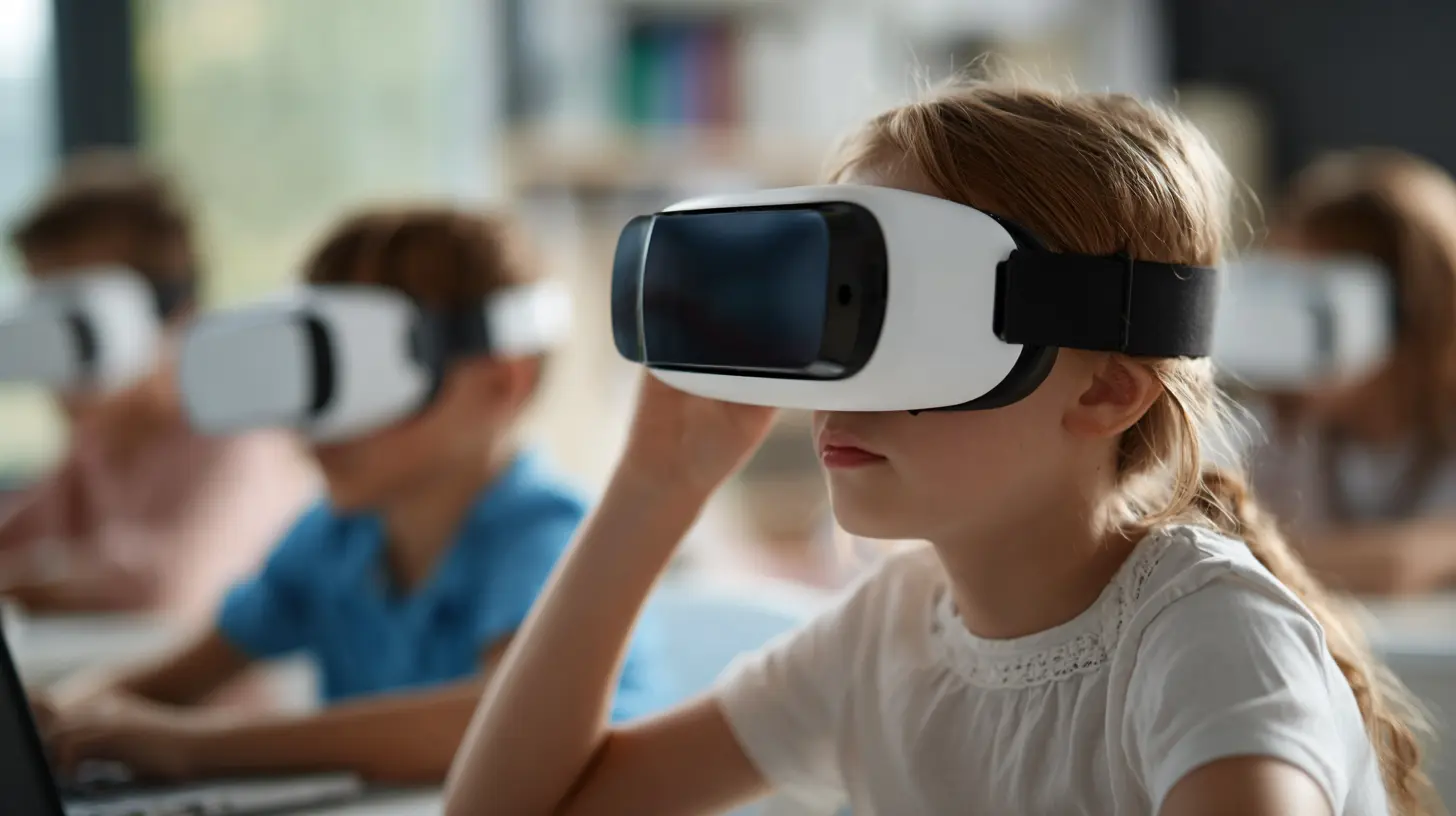
One of the biggest headaches of traditional school is the commute. We spend hours stuck in traffic or on a bus, just to sit in a room that smells like stale coffee and anxiety. By 2027, that's changing. VR classrooms let you log in from your bedroom, a library, or even a park bench. But here's the twist: it's not the same as Zoom school from 2020. You're not just a face in a grid. You're an avatar sitting in a virtual room with other avatars. You can raise your hand. You can walk up to the board. You can even pass a note (digitally, of course).Does it feel weird at first? Absolutely. I tried one of these classrooms last month, and I spent the first five minutes just waving my hands in the air like a maniac because I was amazed I could see my own virtual fingers. But after that awkward phase, something clicked. The teacher wasn't a tiny face on a screen. She was a full-sized person standing at a whiteboard. When she pointed at a map, I could lean in and see the details. When a classmate asked a question, I could turn my head and look at them. It felt... real.
The Good, the Bad, and the Motion Sickness
Let's not sugarcoat it. VR classrooms in 2027 aren't perfect. For one thing, motion sickness is still a thing. You might be sitting still at your desk, but your eyes are telling your brain you're running through a medieval castle. That disconnect can make you feel like you just got off a roller coaster. Some people adapt quickly. Others spend the first week clutching a bucket.Then there's the "avatar problem." You know how in video games, you can customize your character to look like a cool elf or a robot? Well, in VR classrooms, some students go wild. I've seen a kid show up as a giant penguin. Another one chose a floating skull. The teacher had to set a rule: "No cartoon characters during lectures." It's funny, but it also creates a new kind of classroom management. How do you keep order when a student can literally disappear by teleporting to the back of the room?
And let's talk about the cost. Even though headsets are cheaper, schools still have to buy them, maintain them, and deal with kids who drop them on the floor. Plus, not every family has a strong internet connection. VR needs speed, and rural areas still struggle. So while 2027 is a big year, it's not a utopia. We're still figuring out the equity part.
Lessons You Can Actually Feel
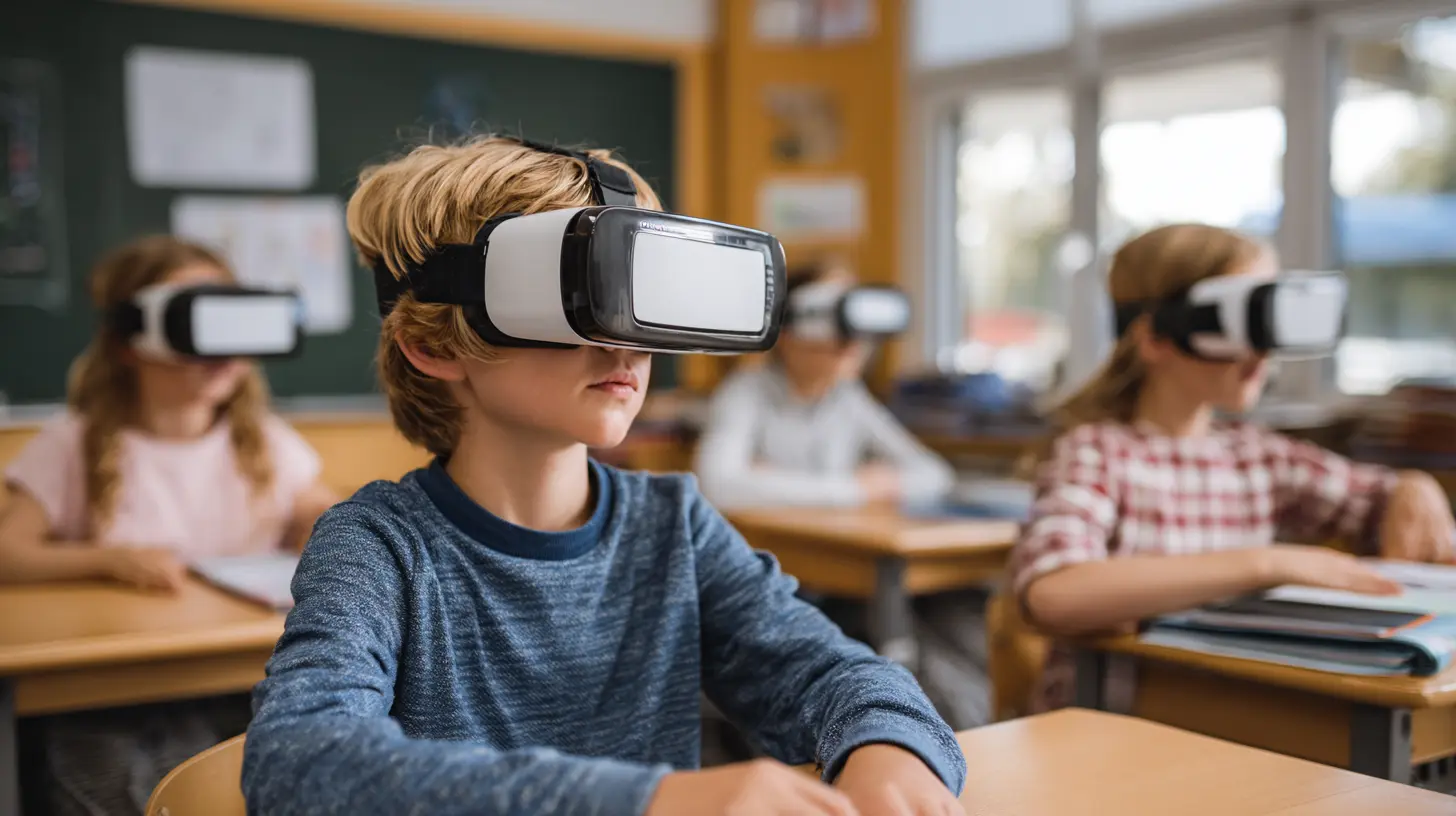
Here's where VR shines: the hands-on stuff. Imagine you're studying the solar system. In a regular classroom, you look at a poster or a plastic model. In a VR classroom, you're floating in space. You can reach out and touch Jupiter. You can watch a comet fly past your head. That's not just cool-it's memorable. Studies are already showing that students retain information better when they experience it in VR compared to reading a textbook. Why? Because your brain treats it like a real memory, not a fact you crammed for a test.Take history class. Instead of memorizing dates for the American Revolution, you're standing on a battlefield. You hear the gunfire. You see the smoke. You feel the tension. It's not a movie-you're part of it. Teachers are using this to build empathy, too. Imagine learning about the Great Depression by walking through a dusty farm in Oklahoma. You can see the cracked earth and feel the wind. That sticks with you way longer than a paragraph in a book.
Science is another big win. In a VR lab, you can mix chemicals that would be too dangerous in real life. You can explode a volcano without getting sued. You can even take a tour inside the human body. I'm not kidding-a friend of mine who's a biology teacher said her students screamed when they saw a virtual heart beating right in front of their faces. Then they asked to do it again. When was the last time a textbook made anyone scream with excitement?
The Social Side: Awkward, But Better Than Zoom
One of the biggest fears about VR classrooms is that they'll make kids even more isolated. After all, you're wearing a headset in your room. You can't see the person next to you. But here's the surprising truth: VR actually encourages more interaction than traditional online classes. In a Zoom call, you can hide. You can turn off your camera and mute your mic. In VR, you're physically present. Your avatar has to move. You have to speak to get attention. It forces you to engage.Of course, it's not perfect. Social dynamics get weird. There's always that one kid who stands too close to your avatar. Or the kid who keeps trying to poke you (yes, some VR systems let you do that). Bullying can happen in new ways, like someone blocking your view or drawing graffiti on the virtual walls. Teachers are learning to moderate these spaces, just like they do in a physical classroom. But the good news is that shy kids often come out of their shell. They feel safer behind an avatar. They raise their hand more. They participate without the fear of being judged by a room full of real faces.
What About the Teachers?
Let's give a shout-out to the teachers. They're the ones who have to figure out how to teach in a virtual world while also keeping track of 30 avatars. It's not easy. Some of them are tech wizards who build their own VR lessons. Others are still trying to figure out how to turn on the headset. By 2027, schools are offering training, but it's a learning curve.One teacher I talked to said her biggest challenge is the "wow factor." When students first put on the headset, they're too distracted to learn. They want to spin around and look at the ceiling. They want to see if they can walk through walls. It takes a few minutes to settle down. She compared it to taking a kindergarten class to a zoo for the first time. You have to let them get the excitement out before you can start the lesson.
But the payoff is huge. Teachers can now take their students on field trips without permission slips or bus rentals. They can visit the Louvre, the Amazon rainforest, or the surface of Mars in a single afternoon. They can bring in guest speakers from anywhere in the world without paying for a plane ticket. It's like having a magic carpet, but you have to charge it overnight.
The Future: Where Do We Go From Here?
So, is VR the end of physical schools? Probably not. Not yet, anyway. There's still something special about being in a room with other humans. The smell of fresh markers. The sound of chairs scraping. The feeling of a high-five after a good test. VR can't replace that completely.But it can supplement it. By 2027, many schools are using a hybrid model. You go to physical school a few days a week for the social stuff-PE, art, lunch with friends. The rest of the time, you learn in VR for the deep, immersive lessons. It's the best of both worlds.
And the tech is only going to get better. We're already seeing haptic gloves that let you feel virtual objects. Imagine touching a virtual rabbit and feeling its fur. Or shaking hands with a historical figure. That sounds crazy, but it's coming. By 2030, we might look back at 2027 as the year VR classrooms finally grew up.
A Few Reality Checks
Before you get too excited, let's address the elephant in the virtual room. VR classrooms are not a magic fix for education. They can't solve poverty. They can't replace great teaching. And they can't make every student love algebra. What they can do is make learning more engaging, more accessible, and a lot more fun.But they also raise questions. How much screen time is too much? Are we training kids to prefer a fake world over the real one? And what happens when the internet goes down? These are real problems that educators are wrestling with right now.
Still, I'd rather have a generation of kids who learned about the human body by walking through a giant heart than one that memorized diagrams from a textbook. Progress is messy, but it's progress.
So, Should You Jump In?
If you're a teacher, a parent, or just a curious learner, 2027 is a good time to dip your toes into VR. You don't need the fanciest headset. You don't need to be a tech expert. You just need an open mind and a sense of humor. Because trust me, the first time you put on that headset and find yourself standing in the middle of a Roman colosseum, you're going to laugh. You're going to spin around like a kid. And you're going to realize that learning doesn't have to be boring.The future of the classroom is here. It's weird, it's wonderful, and it's just a headset away.
all images in this post were generated using AI tools
Category:
Education And TechnologyAuthor:

Olivia Lewis
Discussion
rate this article
1 comments
Thor Henson
This article insightfully captures the transformative potential of virtual reality classrooms by 2027. The benefits of immersive learning experiences are compelling, offering students unique opportunities to engage with content. Embracing this technology could revolutionize education, making learning more interactive and enjoyable for learners of all ages.
June 6, 2026 at 3:37 AM
Olivia Lewis
I'm glad you found the article insightful. The potential for virtual reality in education is indeed exciting, and I believe it will open up new avenues for engagement and learning. Thank you for your thoughts!