The Role of Artificial Intelligence in Grading and Feedback"
25 March 2026
Artificial Intelligence (AI) is no longer just a buzzword or a sci-fi fantasy. It's real, it’s here, and it’s revolutionizing the way we teach and learn. One of the most fascinating areas where AI is making waves is in grading and feedback. Yep, you read that right—robots are now helping teachers assess student work and even offering personalized feedback.
If you're a student or a teacher (or just someone fascinated by how AI is changing education), this article is for you. We're diving deep into the role of AI in grading and feedback, looking at the good, the great, and even the "hmm, are we ready for this?" moments. Let's get into it!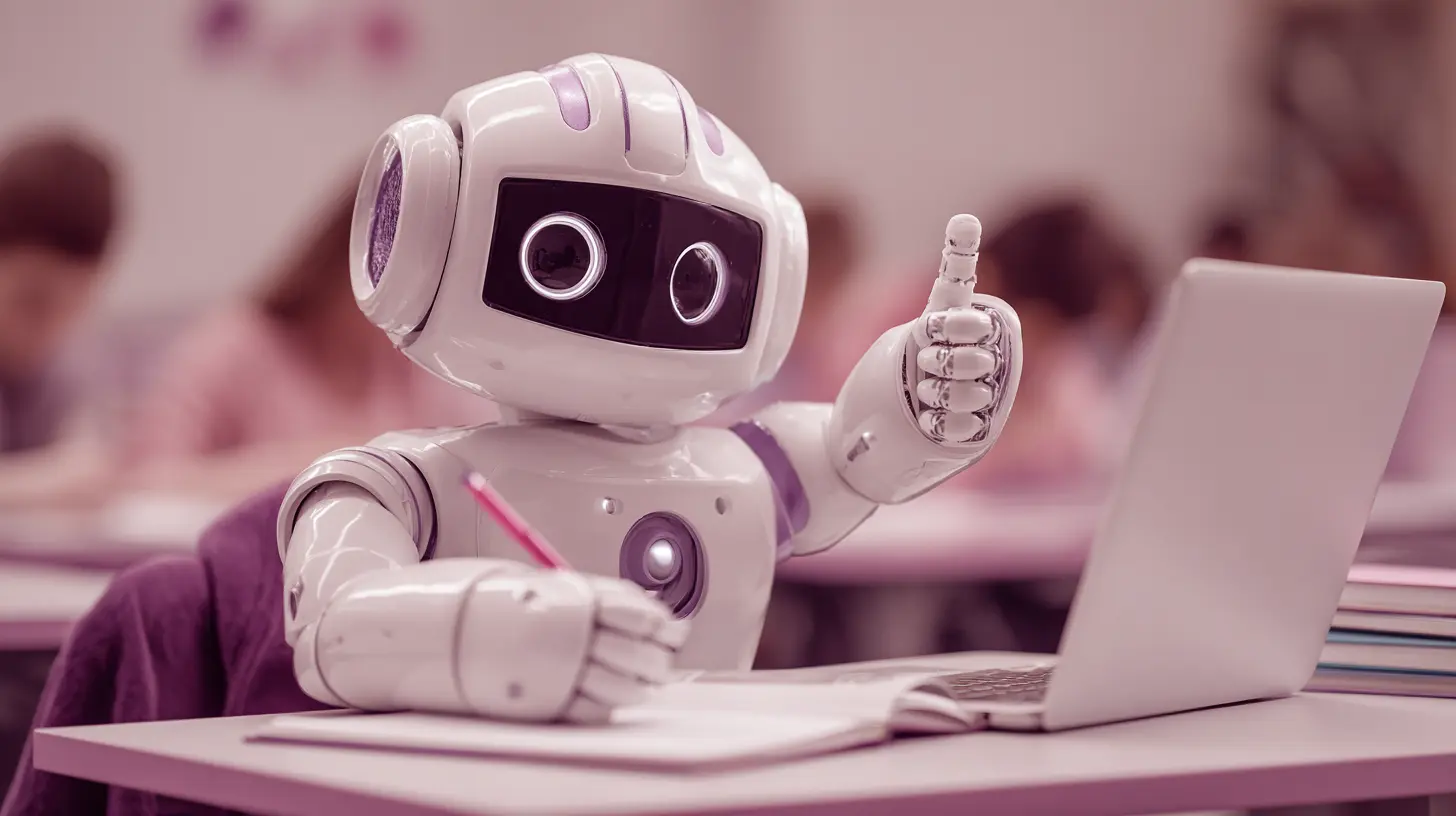
Why Traditional Grading Needs a Makeover
Let’s be honest, grading isn't glamorous. It’s time-consuming, repetitive, and often stressful for educators. Imagine having to grade 100 essays in a week—by hand. Not only does it sap energy, but inconsistencies can creep in. After all, we're human.Then there's the student side. Sometimes feedback is vague ("Good job" doesn’t really help me improve), or it comes too late to make a difference. This delay can cause frustration and stall learning progress.
So, the big question: Can AI grade better and faster? Spoiler alert—yes, in many cases, it can.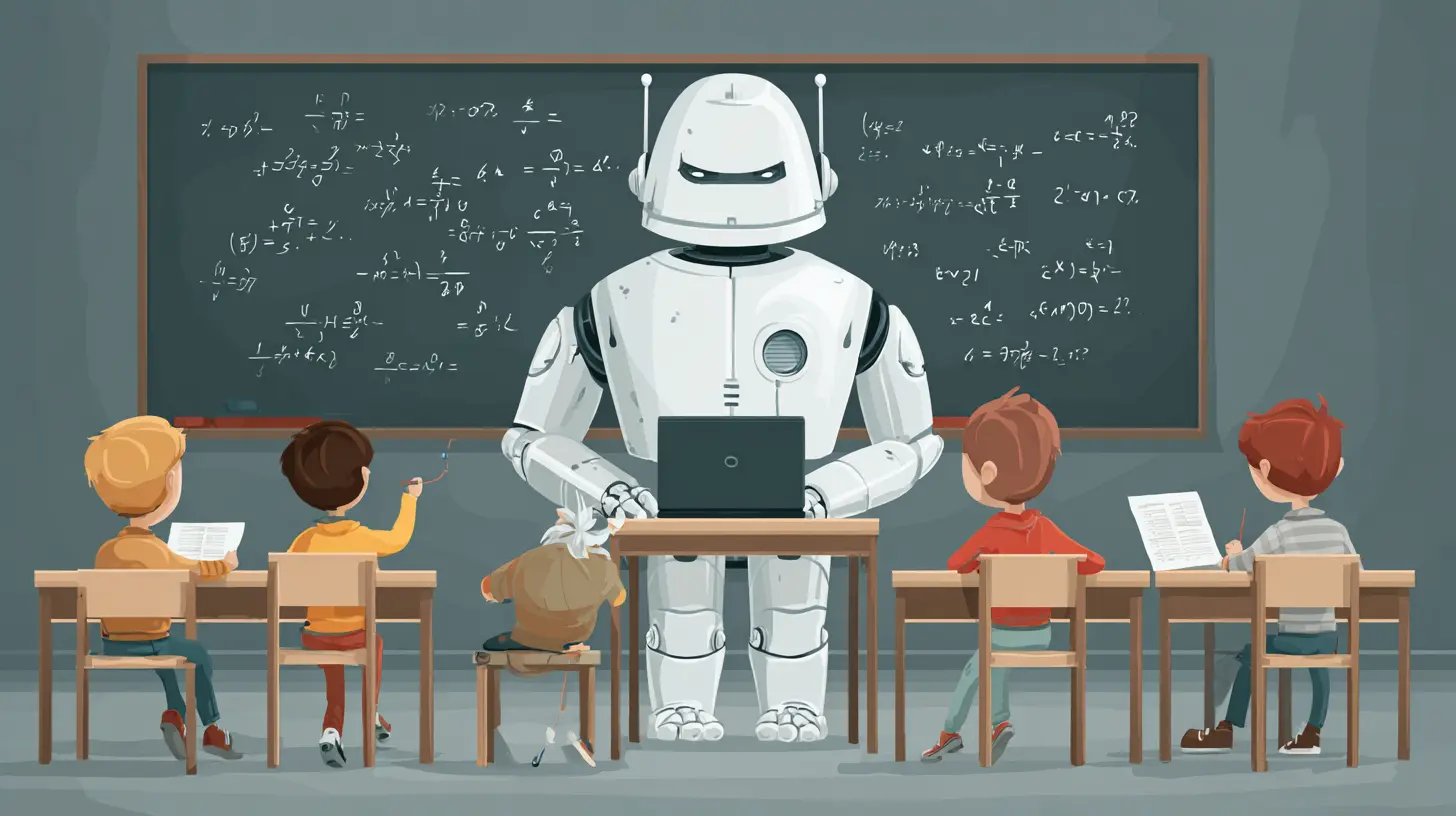
The Rise of AI in Education
AI in education has been growing steadily, especially since the pandemic pushed nearly everyone into some form of online learning. With this shift, edtech companies began exploring how AI could support teachers and learners alike.At the heart of it? Machine learning algorithms. These systems learn from data—lots of it—and can spot patterns or evaluate content based on them. When it comes to grading, these algorithms can analyze written text, programming code, multiple-choice answers, and more. It’s like having a super-fast assistant who never gets tired.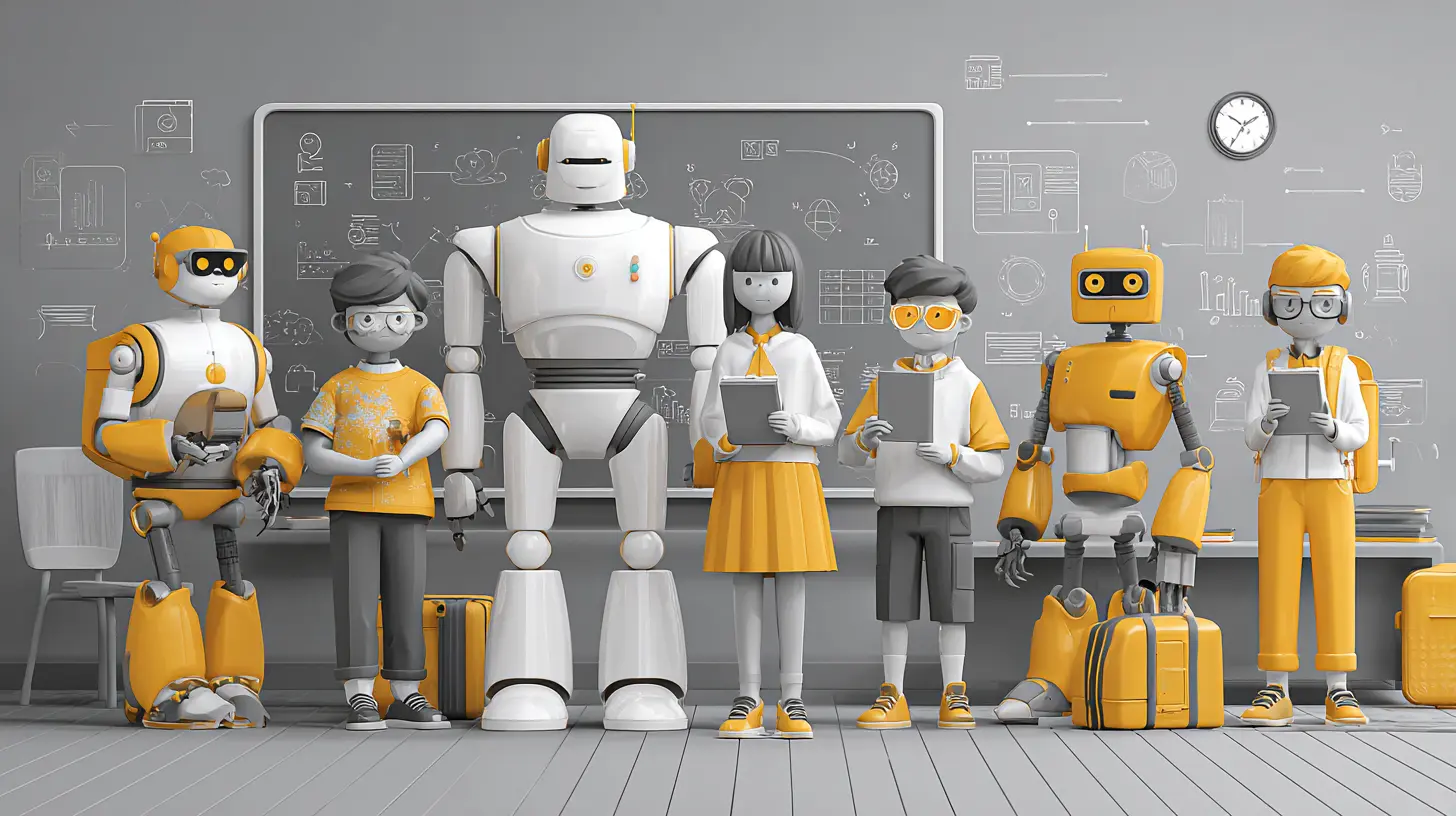
How Does AI Grading Work?
Okay, without getting too techy, here’s a simple breakdown. AI grading tools work by training on huge datasets of already-graded work. For example, thousands of essays previously scored by human teachers. The AI learns what makes a good essay from this training. It picks up on grammar, structure, clarity, argument strength—you name it.Then, when a new essay is submitted, the AI compares it to what it has learned and gives it a grade. And here’s the cool part—it can do this in seconds.
Think of it like a GPS for student work. It knows the destination (an A+ paper) and helps figure out how close the submitted work is to it.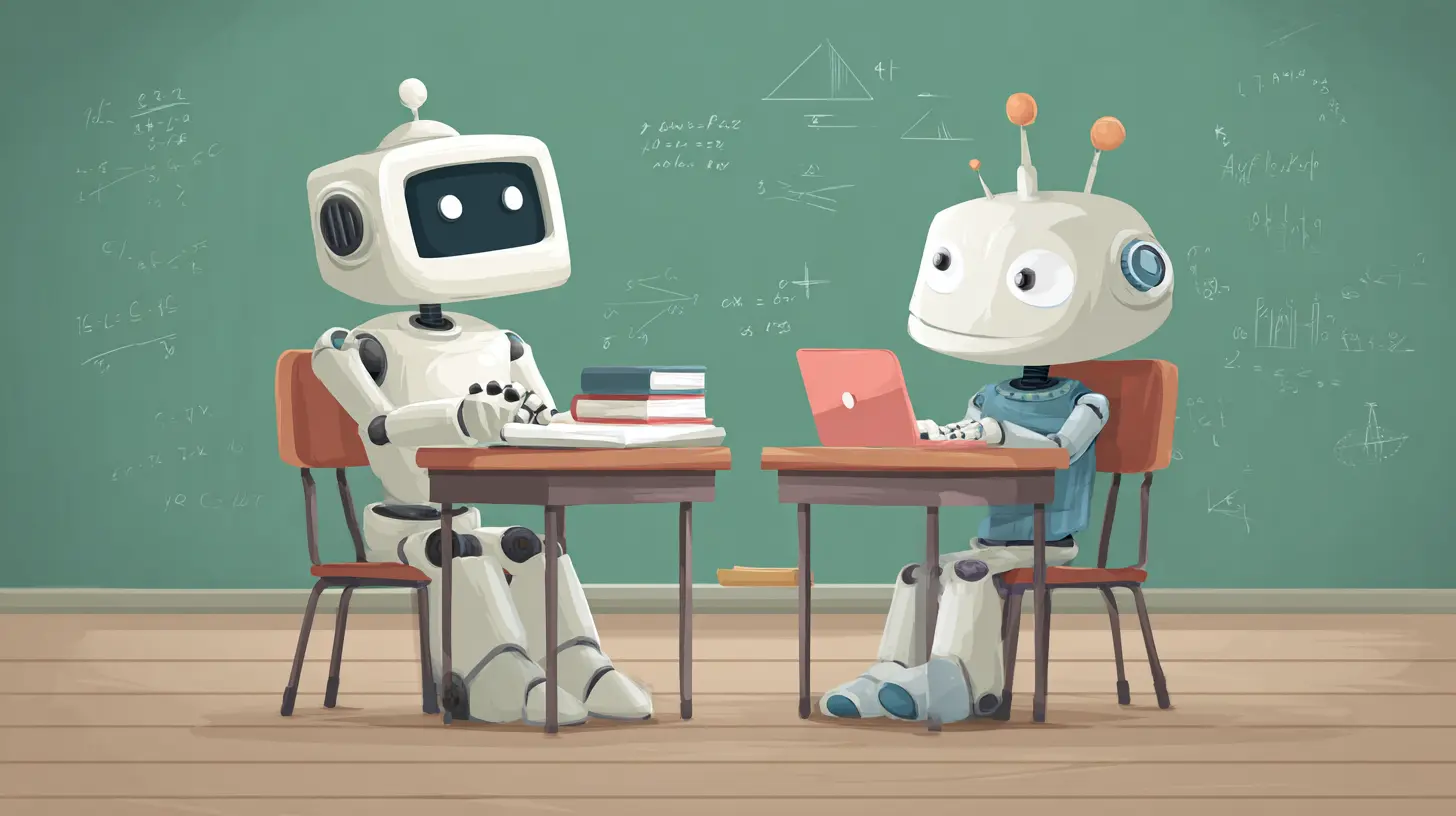
Types of AI Grading Systems
Different tools focus on different types of assessments. Here are a few common ones:1. Automated Essay Scoring (AES)
This is one of the most popular AI applications in grading. AES systems can evaluate the writing quality, grammar, coherence, and even the argument logic in essays. Tools like E-rater™ and IntelliMetric are already being used for standardized testing.2. Code Review and Grading
Learning to code? AI tools like CodeSignal or HackerRank provide instant feedback on your code, point out bugs, and even make suggestions for better performance. It’s like having a super-patient coding tutor.3. Multiple-Choice Tests
AI can grade these almost instantly—and it’s been doing this for years. Optical mark recognition (think scantrons) evolved into intelligent grading that can spot patterns in student responses and even flag common misconceptions.4. Speech and Language Assessments
AI is even helping in grading spoken responses, especially for language learners. It can assess pronunciation, fluency, and vocabulary usage with impressive accuracy thanks to natural language processing (NLP).Benefits of AI in Grading and Feedback
So, what’s in it for teachers and students? A lot, actually.1. Saves Time
Let’s start with the obvious one. AI can grade papers 10x faster than humans. That means teachers spend less time on admin work and more time on what they do best—teaching.2. Faster Feedback
Students get immediate results. No more waiting days (or weeks) for graded assignments. This instant feedback loop helps learners correct mistakes and improve more quickly.3. Consistency and Fairness
AI doesn’t have bad days. It won’t be influenced by mood, bias, or fatigue. That means every student gets graded by the same standard.4. Personalized Learning
Some advanced AI tools don’t just grade—they diagnose. They can identify a student’s weak areas and suggest personalized resources or practice activities. It’s like having a GPS for your academic journey.5. Scalability
Got 500 students in an online course? No problem. AI can handle mass grading without blinking. This is especially useful in MOOCs (Massive Open Online Courses).Real-World Examples of AI in Action
Let’s look at a few tools doing this right now:- Gradescope: Developed by UC Berkeley, it uses AI-assisted grading for multiple formats—papers, equations, and even code. It’s helping educators save mountains of time.
- Turnitin Draft Coach: This tool helps students write better by offering immediate feedback on citation, grammar, and similarity to other works before submission.
- Coursera and edX: These platforms use AI to provide instant feedback on quizzes, peer-reviewed assignments, and coding tasks.
Addressing the Critics: Can AI Really Replace Human Judgment?
Now, let’s pause and address the elephant in the room—can AI really replace human teachers when it comes to grading?Short answer? Not entirely.
While AI is fast and consistent, it lacks the depth of emotional intelligence and nuance that a human offers. For instance, an AI might not understand sarcasm, cultural references, or the emotional weight behind a student’s story in a personal essay.
Also, AI is only as good as the data it learns from. If that dataset is biased or limited, the AI’s grading could reflect that. Yikes, right?
That’s why the best approach is a hybrid one: AI handles the routine stuff, and humans take care of the complex, creative, or sensitive tasks. Teamwork makes the dream work!
How AI Feedback is Changing Student Behavior
Here’s another interesting aspect—students are responding differently to AI feedback than to human feedback. Why? There’s less fear of judgment. Getting feedback from a non-human source feels less personal, so students are more open to reviewing and improving.Also, the gamification of feedback (like getting real-time progress bars or badges) boosts motivation. It's like turning learning into a video game—and who doesn’t love leveling up?
The Future of AI in Education
So where are we headed? Honestly, the potential is huge. Imagine AI that not only grades but helps design personalized learning paths, tutors students in real time, and even predicts who needs extra support before they fall behind.We might even see AI integrated into virtual and augmented reality classrooms, giving real-time feedback in immersive ways. Think Iron Man's JARVIS, but for homework.
Of course, ethical considerations and data privacy will continue to be hot topics. But with proper oversight and thoughtful implementation, AI could truly transform education for the better.
How Teachers Can Embrace AI (Without Fear)
If you're a teacher, don’t worry—AI isn't here to take your job. It’s here to make it more manageable. Think of it as your co-teacher or classroom assistant.Here are some tips to get started:
- Test out AI grading tools for low-stakes assignments.
- Use AI feedback to supplement your comments, not replace them.
- Stay informed about new tools and best practices.
- Share your insights with other educators—collaboration makes adoption easier.
And most importantly, remember that your human touch, empathy, and experience can never be fully replicated by a machine. You're still the heart of the classroom.
Conclusion: A Smarter Way to Learn and Teach
Artificial Intelligence is no fad—it’s a game-changer. From cutting grading time down to minutes, to providing personalized, timely feedback, AI is helping students learn better and helping teachers teach smarter.Yes, it’s a tool—not a replacement—and like any tool, it's only as effective as the person using it. But with careful use and a bit of courage to embrace change, AI can create a more fair, efficient, and engaging educational experience for everyone.
So, next time you submit an assignment and get feedback in seconds, just know—it might’ve been read by a robot. And that’s not just cool—it’s the future.
all images in this post were generated using AI tools
Category:
Classroom TechnologyAuthor:

Olivia Lewis
Discussion
rate this article
2 comments
Elle McBride
AI in grading? Finally, a teacher that won’t fall asleep on my paper!
March 29, 2026 at 6:28 PM
Justice McDermott
AI in grading enhances efficiency and objectivity, providing personalized feedback to students. By automating routine assessments, educators can focus more on meaningful interactions, fostering deeper learning and improving overall educational outcomes. Embrace the potential of AI in education!
March 29, 2026 at 12:39 PM
Olivia Lewis
Thank you for your insightful comment! I completely agree that AI can transform grading and feedback, allowing educators to engage more meaningfully with students and enhance learning outcomes.