The Role of Gamification in Student Learning"
2 April 2026
Let’s face it—traditional education methods aren’t always firing on all cylinders. A blackboard, a textbook, and hours of lecture can only do so much. That’s where gamification steps in, shaking up the classroom like a shot of espresso in your morning coffee. So what exactly is gamification, and how is it changing the way students learn? Buckle up, because we're diving deep into this exciting and fast-evolving trend.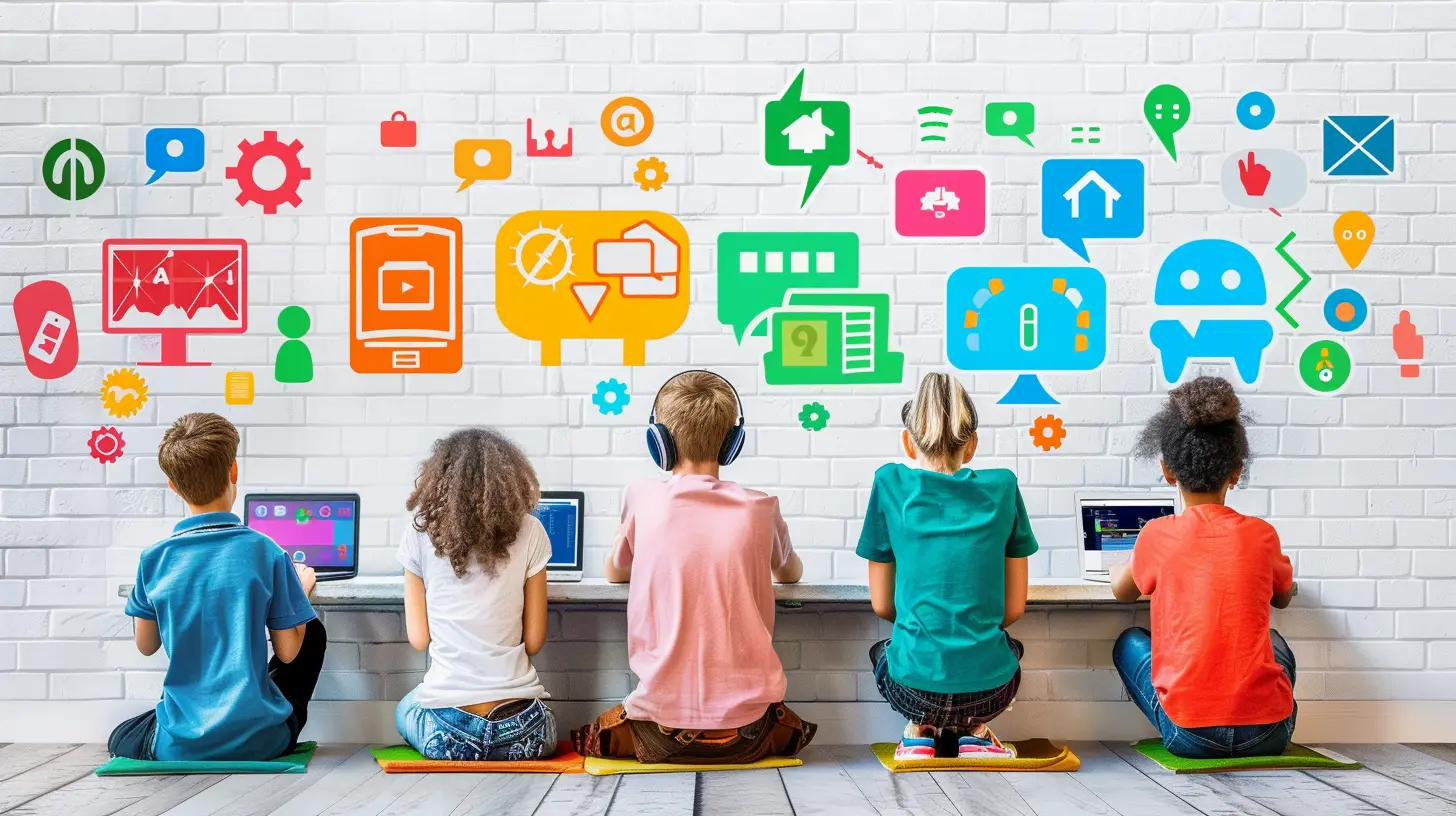
What is Gamification, Anyway?
Gamification is basically the art of taking game-like elements—think points, levels, badges, timers, challenges—and sprinkling them over non-game environments. In education, that means applying these game mechanics to learning materials, assignments, and even assessments to make the process more engaging and motivating.In other words, it’s not about turning math class into a video game, but rather making the experience feel more interactive and rewarding. Think of it like adding seasoning to a bland dish—it doesn’t change the fundamental ingredients, but it sure makes it more palatable.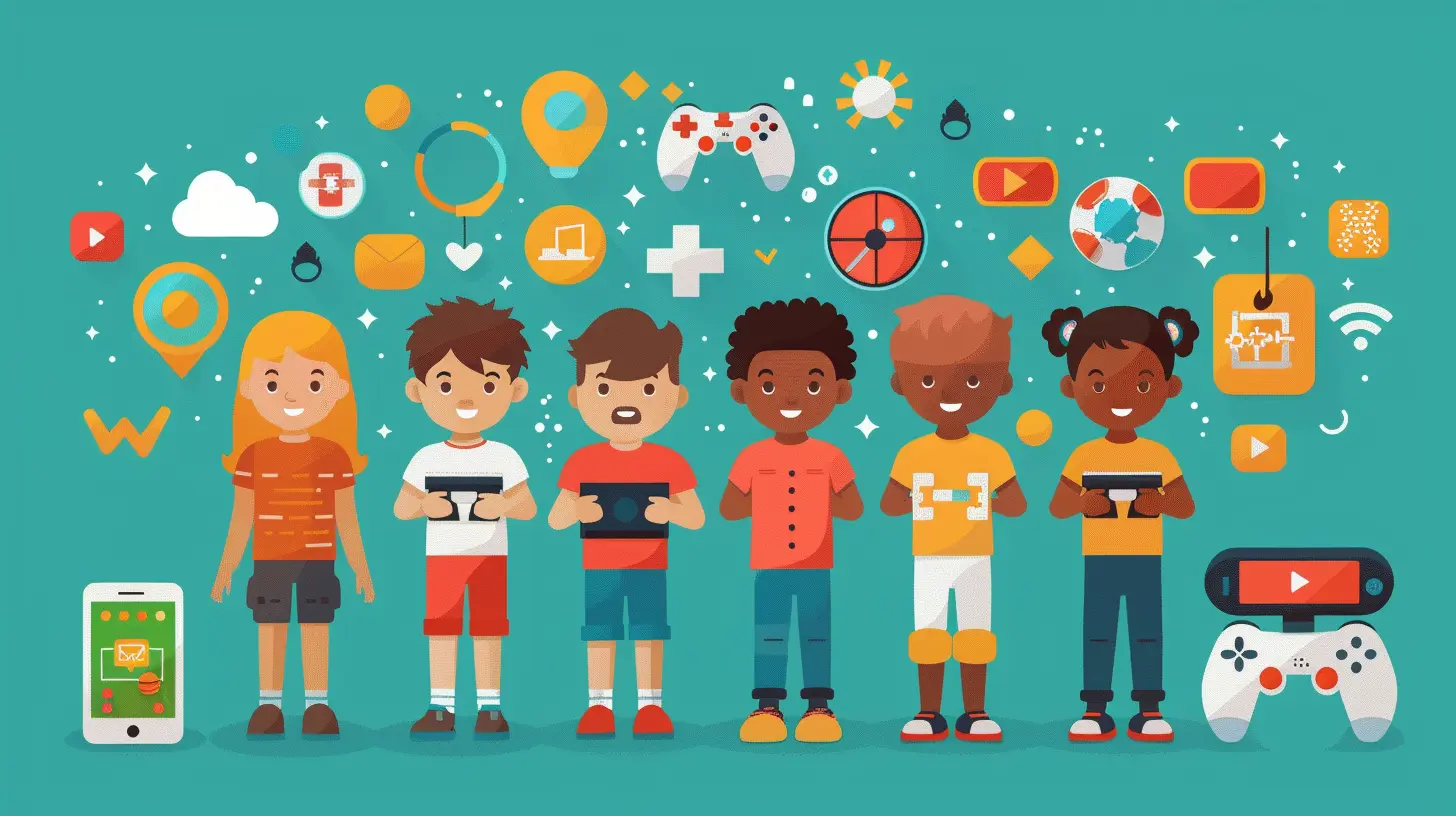
Why Does Gamification Matter in Education?
Here’s something we can all relate to: motivation. Whether you're nine or ninety, doing something fun and rewarding feels way better than slogging through a boring, repetitive task. Now imagine you're a student being pulled through hours of textbook reading. Not exactly thrilling stuff, right?Gamification taps into the part of our brain that lights up when we win something, complete a challenge, or see visible progress. That dopamine hit? It's the same feeling you get when you level up in a video game. When you apply that to learning, it transforms the entire experience.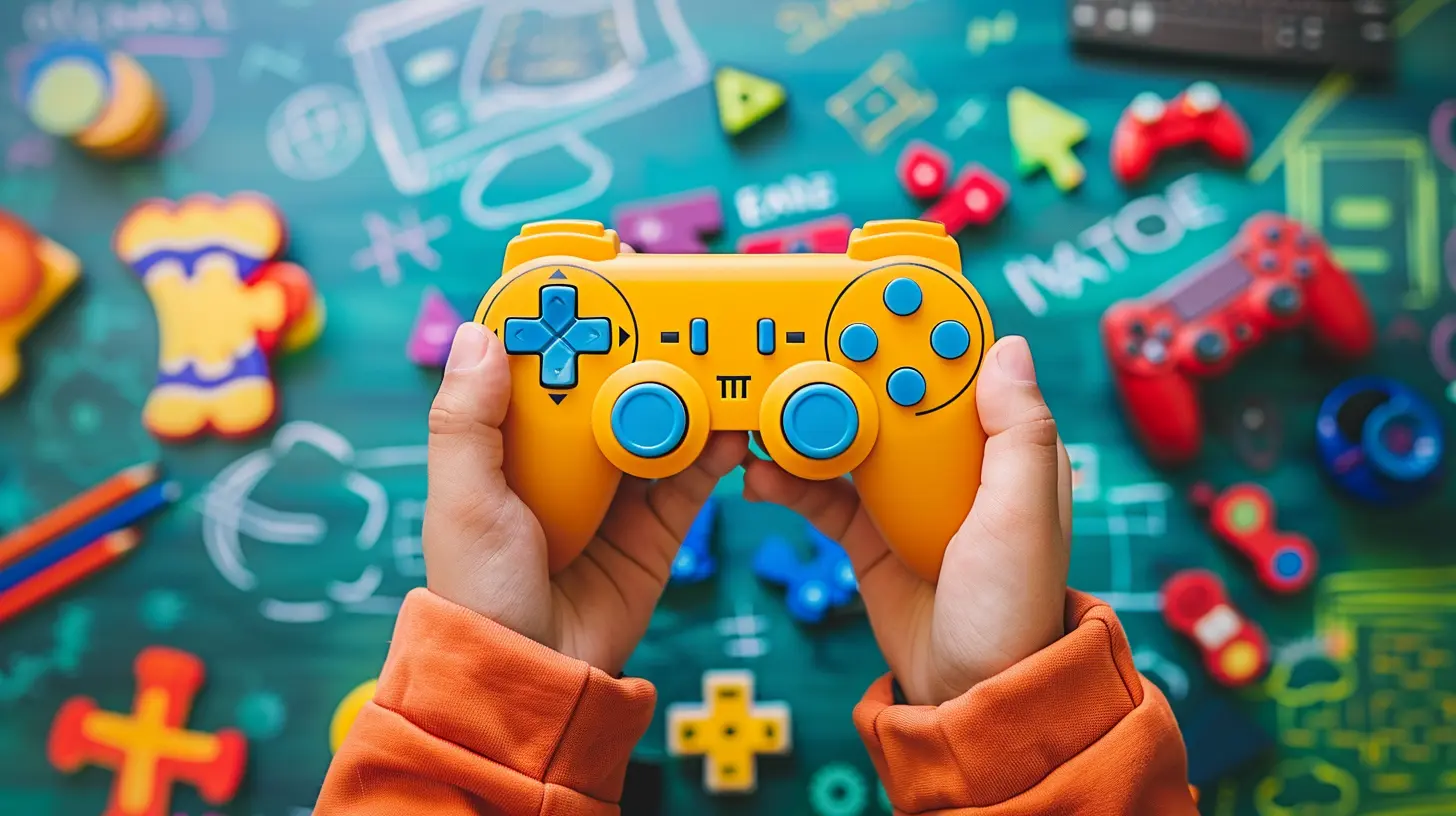
The Psychology Behind Gamification
You ever wonder why people spend hours playing games with no real-world reward? It all boils down to three psychological needs: autonomy, competence, and relatedness.- Autonomy: We love having control. Gamification often lets students choose their own path or challenges.
- Competence: We want to feel like we're good at something. Earning badges or points shows progress.
- Relatedness: We crave connection. Leaderboards and team challenges bring that social feel.
Gamification satisfies these needs in a way traditional education often doesn't.
Benefits of Gamification in Student Learning
Alright, let’s get to the good stuff. What does gamification actually do for students? Here's a look at the main benefits, with a cherry on top.1. Boosts Engagement
This is the big one. When learning feels like play, students are naturally more involved. They want to participate, explore, and even compete. Suddenly, even the most reluctant learners are raising their hands and diving into tasks.2. Encourages Active Learning
Gamification turns students into active participants rather than passive recipients. Instead of sitting and staring at a board, they’re solving puzzles, earning points, and making decisions. It’s like giving them the steering wheel instead of asking them to sit in the backseat.3. Provides Instant Feedback
Games are great at one thing: letting you know how you're doing. Immediate feedback helps students understand what they know and what they need to improve. No more waiting days to get test results—students see their progress in real time.4. Increases Motivation
Let’s not underestimate the power of a little reward. Whether it's a virtual badge or an extra point, small incentives can go a long way in keeping students motivated. It’s the academic version of "just one more level."5. Supports Differentiated Learning
Not every student learns the same way or at the same pace. Gamified systems can be tailored to fit individual needs, allowing students to progress at their own speed and choose activities that suit their learning styles.Types of Gamification in the Classroom
Gamification isn’t a one-size-fits-all deal. It comes in many different flavors, and educators can mix and match depending on what clicks with their students. Here are a few popular methods:1. Points and Badges
Simple, yet effective. Think of it like a gold star system on steroids. Points and badges are given for completing tasks, achieving goals, or showing improvement.2. Leaderboards
A little healthy competition never hurt anyone, right? Leaderboards rank students based on their performance, motivating them to climb the ranks.3. Leveling Up
Students can “level up” as they master new skills—similar to video games. It's a powerful way to mark progress and give students something to strive for.4. Challenges and Quests
Replace boring homework with exciting missions or story-driven quests. It transforms assignments into something that feels more like an adventure than a chore.5. Time-Based Activities
Adding a time limit can inject that rush of adrenaline and urgency. It also helps students improve their time management skills.Practical Examples of Gamification
Let’s paint a picture. What does this look like in real life? Here are a few real-world classroom examples that bring gamification to life:- Classcraft: A role-playing game where students create characters, earn powers by doing academic work, and battle dragons (and bad grades).
- Kahoot!: A fan favorite. This quiz-based platform lets students compete in real-time with fun visuals and live scores.
- Duolingo: Mastering a language while earning XP and keeping streaks alive? That’s gamification done right.
- Minecraft: Education Edition: Students build and explore virtual worlds while learning about math, history, and science.
Challenges and Criticisms of Gamification
As cool as gamification sounds, it’s not all sunshine and rainbows. There are some potential potholes on the road.1. Overemphasis on Rewards
If students only care about earning points and not about what they’re learning, that’s a problem. The focus should always be on the learning process, not just the shiny prizes.2. Inconsistent Implementation
Gamification works best when it’s thoughtfully designed and balanced. Slapping on a leaderboard without context or purpose can do more harm than good.3. Not Suitable for Everyone
Some students might not respond well to competition, especially if they're consistently at the bottom of the leaderboard. For them, gamification might feel discouraging instead of motivating.4. Requires Time and Resources
Let’s be real—gamifying your entire curriculum isn’t a walk in the park. It takes planning, creativity, and often, tech tools that schools may not have.Best Practices for Implementing Gamification
Thinking about adding a little gamified magic to your classroom or e-learning platform? Here are a few pro tips to keep things smooth, effective, and fun:1. Align With Learning Goals
Always tie game mechanics back to the core learning objectives. If it doesn’t support the lesson, it’s just fluff.2. Keep It Simple
You don’t need to design an elaborate fantasy RPG. Start small—maybe with badges for completed homework or points for participation.3. Balance Competition and Collaboration
Use team-based challenges to keep things inclusive. Not everyone thrives in a competitive setup.4. Get Student Feedback
What better way to improve your system than asking the players themselves? Students can offer valuable insights on what’s fun, what’s frustrating, and what could be better.5. Reflect and Adjust
Gamification isn’t a set-it-and-forget-it deal. Keep evaluating how it’s working—what’s motivating students, what’s not sticking—and tweak accordingly.The Future of Gamified Learning
The future? It’s looking pretty epic. As technology continues to grow, gamification will only become more immersive, personalized, and effective.Artificial intelligence might tailor challenges to individual students. Augmented reality could turn classrooms into full-blown adventures. And advanced data analytics will help teachers fine-tune their approach like never before.
In short, we’re only scratching the surface.
Final Thoughts
Here’s the bottom line: learning doesn’t have to be a chore. By transforming lessons into games, challenges, and adventures, educators can tap into a kind of motivation and engagement that traditional methods rarely spark.Think of gamification as the bridge between fun and function. It doesn’t replace good teaching—it enhances it. So whether you’re a teacher, student, or just someone curious about the future of education, one thing's for sure: the game has just begun.
all images in this post were generated using AI tools
Category:
Classroom TechnologyAuthor:

Olivia Lewis
Discussion
rate this article
2 comments
Weston McClary
Gamification transforms education by merging engagement with motivation, fostering a deeper connection to learning and personal growth.
April 13, 2026 at 12:07 PM
Olivia Lewis
Thank you for your insightful comment! I agree that gamification significantly enhances engagement and motivation, ultimately enriching the learning experience and promoting personal growth.
Erica Price
Gamification transforms learning into an engaging journey, fostering intrinsic motivation and deeper connections to knowledge acquisition.
April 11, 2026 at 10:49 AM
Olivia Lewis
Absolutely! Gamification taps into students' natural instincts, making learning more enjoyable and meaningful. It's a powerful way to enhance motivation and understanding.