The Role of Sibling Relationships in Social Development
15 July 2026
Siblings: You can't pick 'em, but you sure can learn a lot from 'em! Whether they're older, younger, or even a twin, siblings play a massive role in shaping who we become. From endless childhood fights over TV remotes to becoming lifelong best friends, these relationships are more than just family ties—they help build essential social skills, emotional intelligence, and even resilience.
But how exactly do sibling relationships influence social development? And why do those occasional (or frequent) sibling rivalries actually make us better at handling life’s challenges? Let’s dive in! 
The First Social Playground: Growing Up With Siblings
Think about this—before we even step into a classroom, before we make our first friend, we already have built-in playmates (or rivals) at home. Sibling relationships are like an exclusive training ground for social life.From a young age, siblings provide us with our first real lessons in:
- Communication – Ever had to argue your point about who got the bigger slice of cake? That’s early negotiation skills in action!
- Conflict Resolution – Fought over who gets shotgun? That’s problem-solving practice right there.
- Empathy – Comforting a sibling after a bad day teaches compassion and emotional understanding.
Siblings are our first social test subjects, where we experiment with emotions, learn the art of persuasion, figure out how to share (sometimes), and even practice teamwork—whether it’s conspiring to sneak cookies or surviving a long road trip together! 
How Sibling Relationships Shape Emotional Intelligence
Ever notice how people with siblings tend to have better emotional control? That’s no coincidence. Sibling dynamics force us to develop emotional intelligence—our ability to understand, manage, and express emotions effectively.1. Learning Patience and Compromise
Having a sibling means you don’t always get what you want. Whether it’s waiting for your turn to use the bathroom or compromising on a family movie choice, patience and flexibility become second nature.2. Understanding Different Perspectives
Siblings see the world differently—sometimes annoyingly so! Disagreements with siblings help us understand that not everyone views things the same way, an important skill when dealing with different personalities later in life.3. Practicing Emotional Regulation
Let’s be honest, siblings can push our buttons like no one else. But learning to handle frustration without throwing a complete tantrum? That’s emotional maturity training at its finest.
Sibling Rivalries: Are They Actually Beneficial?
You might be surprised, but those epic childhood battles (yes, even the ones over who gets the last cookie) actually serve a purpose.1. Handling Competition
A little healthy competition—whether in academics, sports, or even board games—prepares us for the real world. It teaches us how to strive for success while handling both wins and losses with grace.2. Conflict Resolution Skills
Sibling fights are like mini life lessons in conflict management. Whether it’s negotiating, apologizing, or learning when to walk away, these interactions prepare us for future disagreements in friendships, relationships, and even workplaces.3. Building Resilience
If you’ve survived years of teasing, pranks, and stolen clothes, congratulations! You’ve built resilience. Dealing with sibling challenges toughens us up, teaching us perseverance and adaptability.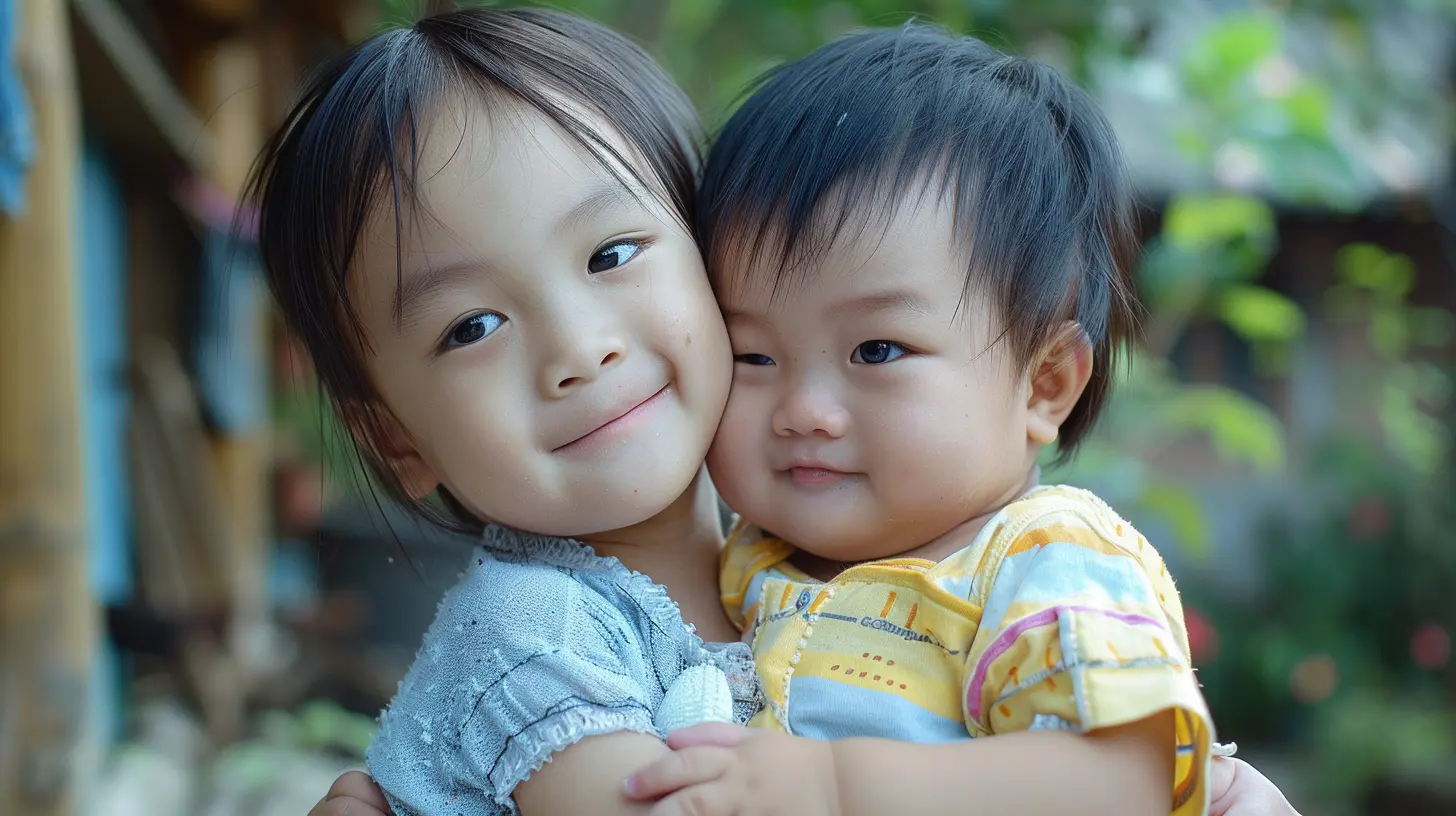
The Role of Birth Order in Social Development
Believe it or not, whether you’re the firstborn, middle child, or the baby of the family can influence your social development in unique ways.1. Firstborns: The Responsible Leaders
Firstborns often take on leadership roles, absorbing responsibility early on. They tend to be organized, ambitious, and protective—thanks to years of acting as the "mini-parent."2. Middle Children: The Peacemakers
Middle children develop strong negotiation and peacemaking skills. Growing up between an older and younger sibling, they're often the most adaptable and social of the bunch.3. Youngest Siblings: The Free Spirits
The youngest in the family often get away with the most! They tend to be more creative, charming, and risk-taking, likely because they’ve had to fight for attention and develop unique ways to stand out.4. Only Children: Socially Savvy
While they don’t have siblings to compete or collaborate with, only children often develop strong social skills through friendships and adult interactions. They tend to be mature, independent, and self-sufficient.Lifelong Bonds: Sibling Relationships in Adulthood
As we grow older, sibling relationships evolve from childhood rivalries to lifelong friendships. The people we once fought over remote controls with become our go-to support system in adulthood.1. Emotional Support
Siblings are often our longest-lasting relationships. When life throws curveballs—whether it’s job struggles, relationships, or personal setbacks—siblings are there, offering advice, encouragement, and sometimes tough love.2. Built-in Best Friends
Many adults find that their siblings become their closest friends. The shared memories, inside jokes, and unconditional support create an unbreakable bond.3. Family Connection
Siblings help keep family traditions alive. Whether it’s holiday gatherings, family reunions, or simply reminiscing about childhood antics, siblings help maintain that crucial family connection.Can Sibling Relationships Predict Social Success?
Studies suggest that strong sibling relationships often correlate with better social skills in adulthood. People with healthy sibling connections tend to have:✅ Better communication skills
✅ Higher emotional intelligence
✅ Stronger conflict resolution abilities
✅ A greater sense of empathy
Think about it—if you can survive years of sibling chaos, navigating the complexities of friendships, relationships, and workplaces should be a breeze!
What About Sibling-less Individuals?
Not everyone has siblings, but that doesn’t mean they miss out on social development. Only children often develop strong social skills in different ways—through friendships, extended family, and engaging with adults earlier than their peers.Ultimately, whether you have siblings or not, our early relationships—parental guidance, friendships, and social experiences—shape our ability to interact and connect with others.
Final Thoughts
Sibling relationships are like a crash course in life skills. They prepare us for social interactions, teach us patience and resilience, and offer lifelong companionship. Sure, siblings might drive us crazy sometimes, but at the end of the day, they help shape us into better, more socially adept individuals.So the next time your sibling annoys you, remember—you’re basically in a free training program for life. And honestly, that’s a pretty sweet deal!
all images in this post were generated using AI tools
Category:
Child DevelopmentAuthor:

Olivia Lewis