Universities of the Future: What to Expect in 2027
1 May 2026
Remember when "going to college" meant sitting in a giant lecture hall, scribbling notes while a professor droned on from a podium? Yeah, that era is officially on life support. We are standing at the edge of a massive shift in higher education, and by 2027, the university experience will look almost nothing like the one your parents had. It is not about robots taking over. It is about stripping away the bloated, one-size-fits-all model and replacing it with something leaner, more personal, and frankly, way more practical.
Think of the old university as a factory assembly line. You all entered at the same time, followed the same blueprint, and rolled out four years later with a degree that hopefully matched a job. The problem? The factory is slow, expensive, and it produces graduates who often don't fit the modern job market. The 2027 university is more like a custom workshop. You bring your raw materials (your interests, your background), and the university provides the tools, the master craftsmen, and the project plans. You don't just get a diploma. You get a portfolio of real-world results.
So, what does this actually look like? Let's pull back the curtain and walk through the halls of a university in 2027.
The Death of the Four-Year Monolith
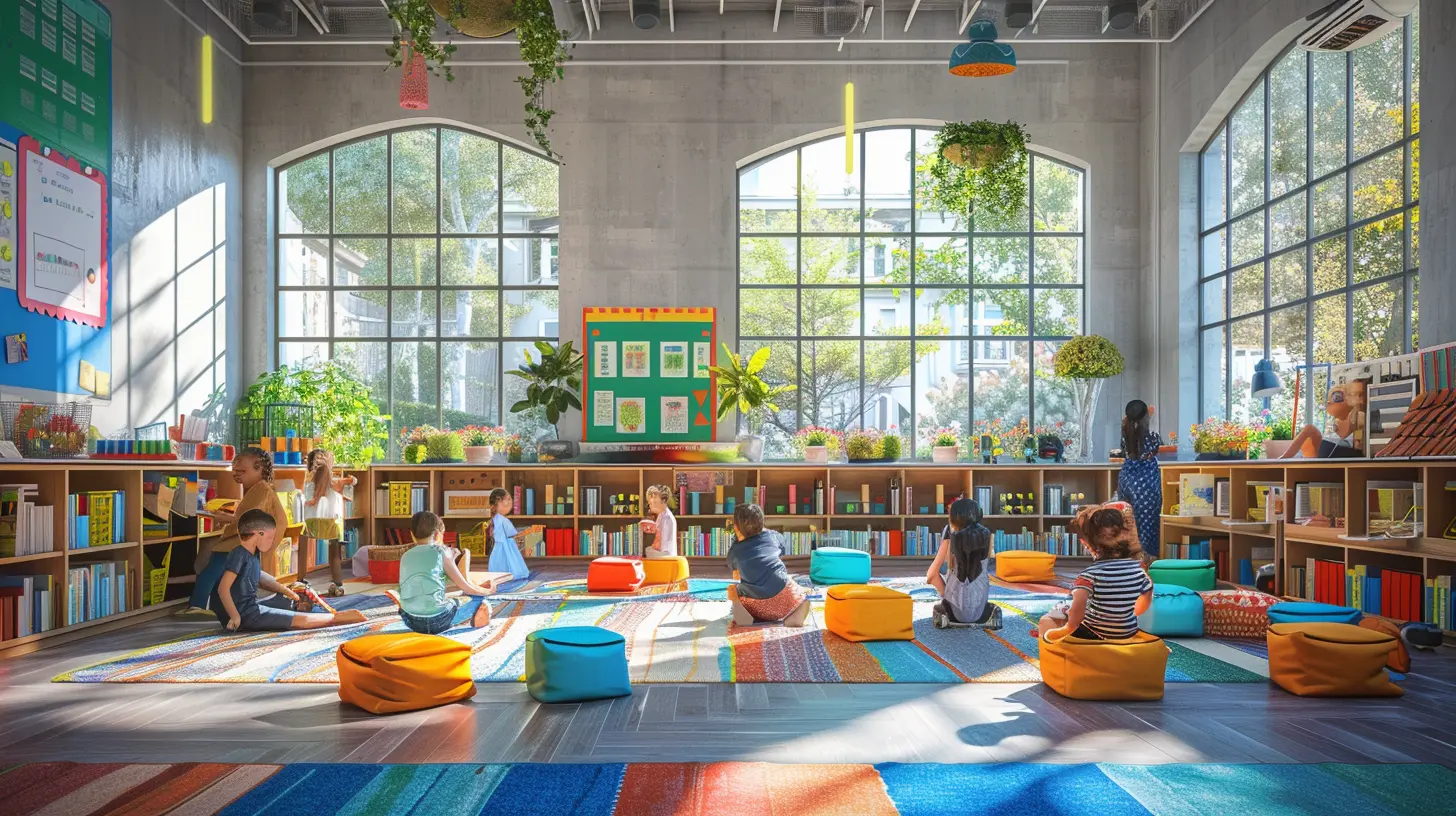
The biggest change you will notice is the end of the rigid four-year bachelor's degree. By 2027, the concept of a standard "freshman year" feels as outdated as a flip phone. Universities are realizing that life doesn't fit into neat four-year boxes. People change careers, they have families, they need to earn money.Instead, you will see "stackable credentials." Imagine building your education like a Lego castle. You start with a short, focused certificate in data analytics. Maybe you get a job with that. Then, a few months later, you stack a certificate in project management. Then you decide to add a micro-credential in artificial intelligence ethics. When you have stacked enough of these high-value blocks, you can snap them together to form a full bachelor's degree. The university acts as the platform that validates and connects these pieces.
This is huge. It means you don't have to take a year of general education classes that have nothing to do with your goals. You start learning marketable skills on day one. It also means you can pause your education without "dropping out." You just take a break. The university holds your progress, and you come back when you are ready. This flexibility is what keeps education relevant for people who are actually living in the real world.
The Classroom is Everywhere (and Nowhere)
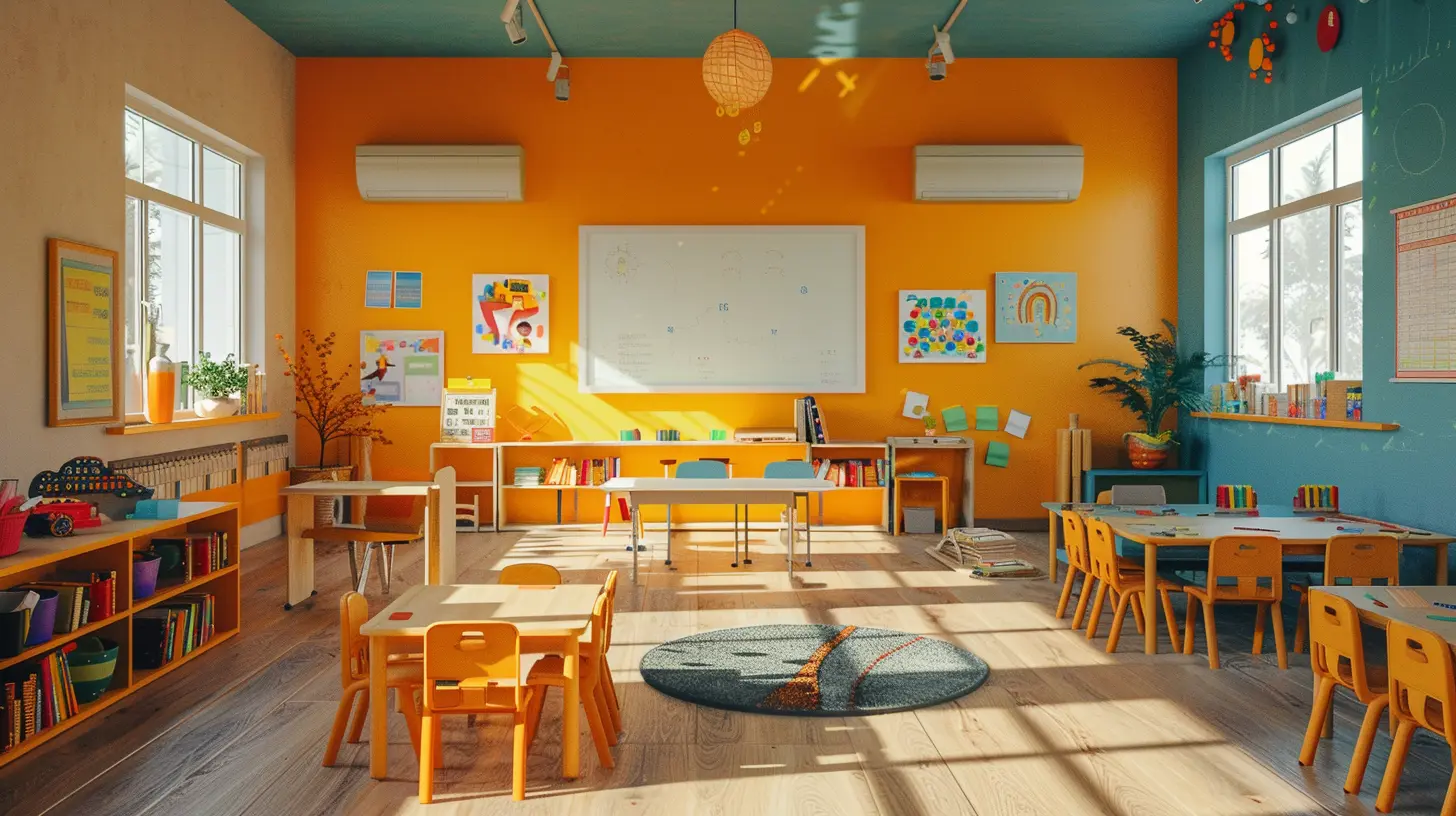
Walk onto a campus in 2027 and it feels different. It is quieter. Not because nobody is there, but because the "classroom" has exploded. The lecture hall is being gutted and turned into a "collaboration hub." Why sit in a room with 200 people watching a video when you can watch that video in your pajamas at 2 AM?The physical campus is becoming a place for high-touch, high-value activities. You go to campus for the stuff you can't do online. Think of it like this: you don't go to the gym to read a book about lifting weights. You go to the gym to use the equipment, get a spotter, and attend a class with a coach. The 2027 campus is the gym for your brain.
You will see "flipped classrooms" everywhere. You watch the lecture (the theory) at home on your own time. Then you come to class (the gym) to do the heavy lifting: solving complex problems, debating ideas with your peers, building prototypes, and getting direct feedback from the professor. The professor is no longer a "sage on the stage." They are a "guide on the side." They coach you, not just inform you.
Virtual reality (VR) will be a standard tool, not a novelty. A history student in 2027 doesn't just read about the Roman Forum. They put on a headset and walk through it. A medical student practices a risky surgery on a hyper-realistic digital patient before ever touching a real one. A business student negotiates a merger with an AI-driven avatar that pushes back and argues. The line between "online learning" and "real experience" is completely blurred.

Your Degree is a Portfolio, Not a Piece of Paper
Here is the hard truth: employers are tired of transcripts. A transcript tells them you passed a class. It doesn't tell them you can actually do the job. In 2027, your most important document is not your diploma. It is your digital portfolio.Universities are building this into the curriculum. Every assignment is designed to be a "work product." You don't just write a research paper that gets graded and thrown away. You write a white paper that you can show to a potential employer. You don't just take a marketing exam. You run a real ad campaign for a local business for a grade.
Your portfolio is a living document. It contains video presentations, code you wrote, designs you created, data sets you analyzed, and case studies you led. The university provides the digital "backpack" to store and verify these pieces. This is where "digital badges" and "blockchain credentials" come in. They are tamper-proof, verifiable records of your skills. An employer can click a badge on your LinkedIn profile and instantly see the project you completed, the grade you got, and even the professor's feedback.
This shifts the focus from "what do you know?" to "what can you do?" It is a much more honest and useful conversation. You are not selling a promise. You are selling proof.

The Rise of the "Hybrid Professor"
Who is teaching you in 2027? It is not just the tenured academic who has spent their entire life in a library. The faculty is becoming a blend of two types of experts.First, you have the "core faculty." These are the theorists, the researchers, the people who build the foundational knowledge. They teach the "why" and the "what if." Second, and this is the big change, you have a huge influx of "practitioners-in-residence." These are people who are currently working at the top of their fields. A senior software engineer from a major tech company teaches a course on system architecture. A former ambassador teaches international negotiation. A startup founder teaches lean methodology.
These practitioners are not just guest speakers. They are full-fledged instructors who co-design the curriculum. They bring the real-world chaos and pressure into the classroom. They assign projects that have no textbook answer. They show you the messy, non-linear way that problems are actually solved. This makes the education incredibly current. By 2027, the lag between "what's happening in the industry" and "what's being taught in school" will shrink from years to months.
The Algorithm That Knows You Better Than You Know Yourself
This sounds a little creepy, but stick with me. Universities in 2027 use data to be your personal academic advisor. Artificial intelligence (AI) doesn't replace the human advisor, but it makes them superhuman.Think of it like a navigation app for your education. The AI tracks your learning patterns. Are you a visual learner who struggles with pure text? The AI suggests more video content. Are you breezing through calculus but struggling with writing? The AI flags this and recommends a writing workshop before you fail a midterm. Are you showing a hidden talent for data visualization based on your project work? The AI suggests a new micro-credential path you never considered.
This is called "adaptive learning." The course content changes based on your performance. If you answer a question correctly, the system moves on. If you get it wrong, it doesn't just give you the answer. It offers a different explanation, a short video, or a link to a reading. It is like having a personal tutor who has infinite patience and knows every single thing you have ever done in the course. This stops the "one-size-fits-all" failure. No more falling behind because the whole class moved on to a new topic while you were still confused.
The End of the "All-Inclusive" Price Tag
Let's talk about the elephant in the room: money. The cost of university is out of control. By 2027, the old model of paying a flat, massive fee for everything is crumbling. You will see a "subscription model" or a "pay-per-skill" approach.Instead of paying $50,000 a year for a bundle of services you might not use, you pay for what you get. Want just the certificate in digital marketing? That is a $500 course. Want full access to all the career coaching and the physical campus makerspace? That is an extra monthly fee. Want the full degree pathway with human mentorship? That is a higher tier.
This forces universities to prove their value. They have to justify every dollar. If the career coaching is bad, students will unsubscribe. If the lab equipment is outdated, students will go to a competitor. This is a good thing. It forces universities to be efficient, customer-focused, and results-driven. It also opens the door for more "income share agreements" (ISAs). You pay nothing upfront. You agree to pay a small percentage of your salary for a set number of years after you graduate and get a job above a certain income threshold. The university's financial success is directly tied to your professional success. Talk about aligning incentives.
The Soft Skills Renaissance
With all this talk about AI and tech, you might think the humanities are dead. Wrong. In 2027, they are more important than ever. Why? Because as AI takes over the repetitive, analytical tasks, the uniquely human skills become the premium.The 2027 university curriculum is built around "meta-skills." You will take classes in ethical reasoning, not just because it is a nice thing to do, but because an AI can write a legal brief but it cannot decide what is just. You will take classes in cross-cultural communication, because your team might be spread across five continents. You will take classes in creative problem-solving and systems thinking, because the problems of the future are not simple equations. They are wicked, messy problems like climate change and social inequality.
Group projects are no longer a dreaded chore. They are the core of the curriculum. You are graded on your collaboration, your leadership, your ability to give and receive feedback. You learn how to run a meeting, how to resolve conflict, and how to persuade a skeptical audience. These are the skills that a machine cannot replicate. The university of 2027 is a factory for producing empathetic, creative, resilient humans, not just efficient workers.
The Global Campus is Your Living Room
Finally, the idea of "going away to college" is being redefined. International experiences are no longer a luxury for the rich. They are built into the digital fabric of the university.You will take classes with students from Tokyo, Nairobi, and Buenos Aires. You will work on team projects that require you to coordinate across time zones. You will have access to a global network of alumni and mentors. The university in 2027 is a platform for global connection. The physical campus is just one node in a vast network.
This prepares you for a globalized workforce. It also makes education more accessible. A student in a rural village with a good internet connection can access the same top-tier education as a student in a big city. The "university" is no longer a place you go. It is a service you access. It is a community you belong to, wherever you are in the world.
So, is the university dead? No. It is evolving. It is shedding its old skin and becoming something more agile, more personal, and more powerful. By 2027, if you are not learning, you are falling behind. But the good news is, the university is finally designed to help you keep up.
all images in this post were generated using AI tools
Category:
Education TrendsAuthor:

Olivia Lewis
Discussion
rate this article
2 comments
Kova Cole
Universities in 2027 must focus on real-world skills, adaptability, and innovation. Traditional methods won't cut it. It's time to rethink education for future leaders.
July 1, 2026 at 3:00 AM
Olivia Lewis
Absolutely, the shift towards real-world skills and innovation is crucial. Universities must evolve to prepare students for a rapidly changing world.
Liv McConkey
This article presents a thought-provoking outlook on the future of higher education. The insights into technology integration and changing student needs are particularly compelling. I look forward to seeing how these trends evolve by 2027 and their impact on learning experiences.
May 1, 2026 at 4:23 AM
Olivia Lewis
I'm glad you found the article insightful! It's fascinating to consider how these trends will shape education in the coming years. Let's see how it all unfolds.