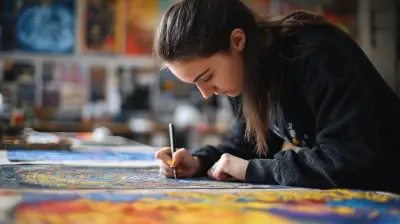
What a Fully Paperless Classroom Might Look Like by 2026
14 May 2026
Let's be honest: the phrase "paperless classroom" has been floating around for years, usually followed by a photo of a kid holding a tablet with a smug grin. But by 2026, we're not just talking about swapping notebooks for screens. We're talking about a fundamental shift in how students learn, teachers teach, and schools operate. I'm not here to sell you a fantasy. I want to walk you through a realistic, messy, and exciting vision of what that classroom actually looks like when the last ream of printer paper is finally used for an art project. And no, it's not just "everyone on a laptop."
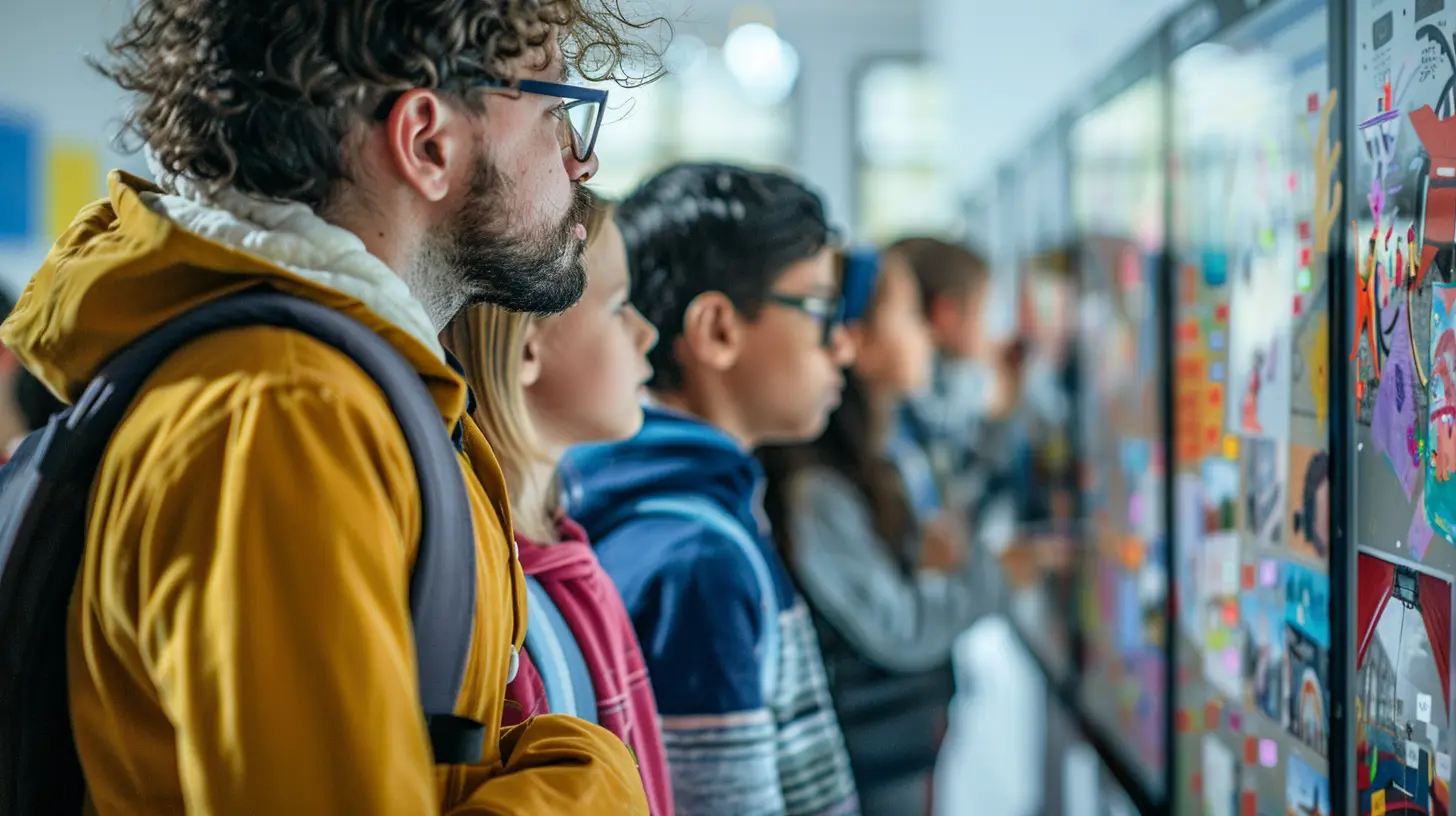
The Morning Entry: No Backpack, No Problem
Imagine this: a student walks into a classroom in 2026. They don't have a backpack stuffed with binders, folders, or a calculator. Instead, they carry a single device - maybe a thin, foldable tablet with a stylus, or a pair of smart glasses that project a virtual workspace. They tap their wristband or phone against a sensor by the door. That tap does three things: marks them as present, logs them into the classroom's digital ecosystem, and pulls up their personalized agenda for the day. No attendance sheets. No lost permission slips.The teacher, standing at a central interactive wall display, sees a live dashboard showing who is present, who is running late, and which students need a quick check-in based on last night's homework data. The teacher doesn't waste time asking, "Did everyone do the reading?" The system already knows. It flagged the three students who skimmed and the one who didn't open the file at all. The teacher can discreetly send a private message to that student: "Hey, I saw you had trouble with the reading. Let's chat during break." No public embarrassment. No paper trail.

The Assignment Workflow: From Handout to Holodeck
Remember the chaos of collecting, sorting, and returning physical papers? By 2026, that's a museum piece. Assignments are distributed through a cloud-based learning management system that feels less like a clunky portal and more like a collaborative workspace. When a teacher posts a project, it's not a static PDF. It's an interactive document with embedded video instructions, hyperlinks to research sources, and a digital "hand-in" button that locks the file at the deadline automatically.Here's where it gets interesting: students don't just write essays. They build multimedia responses. A history assignment on the Industrial Revolution might include a short podcast, a data visualization of population shifts, and a written reflection - all submitted as a single package. The teacher doesn't need to carry home a stack of papers. They open a dashboard, read, listen, and leave voice comments. Feedback is instant, specific, and recorded. The student can replay that feedback later, which is way more helpful than a scribbled "good job" in the margin.
And plagiarism? The system cross-references every submission against a massive database of sources, including other students' work from previous years. But it also looks for the style of writing, flagging anything that sounds like it was generated by an AI without proper citation. By 2026, teachers have learned that banning AI is pointless. Instead, they teach students how to use it as a research assistant, then verify and expand on its output. The paperless classroom isn't anti-tech; it's tech-smart.
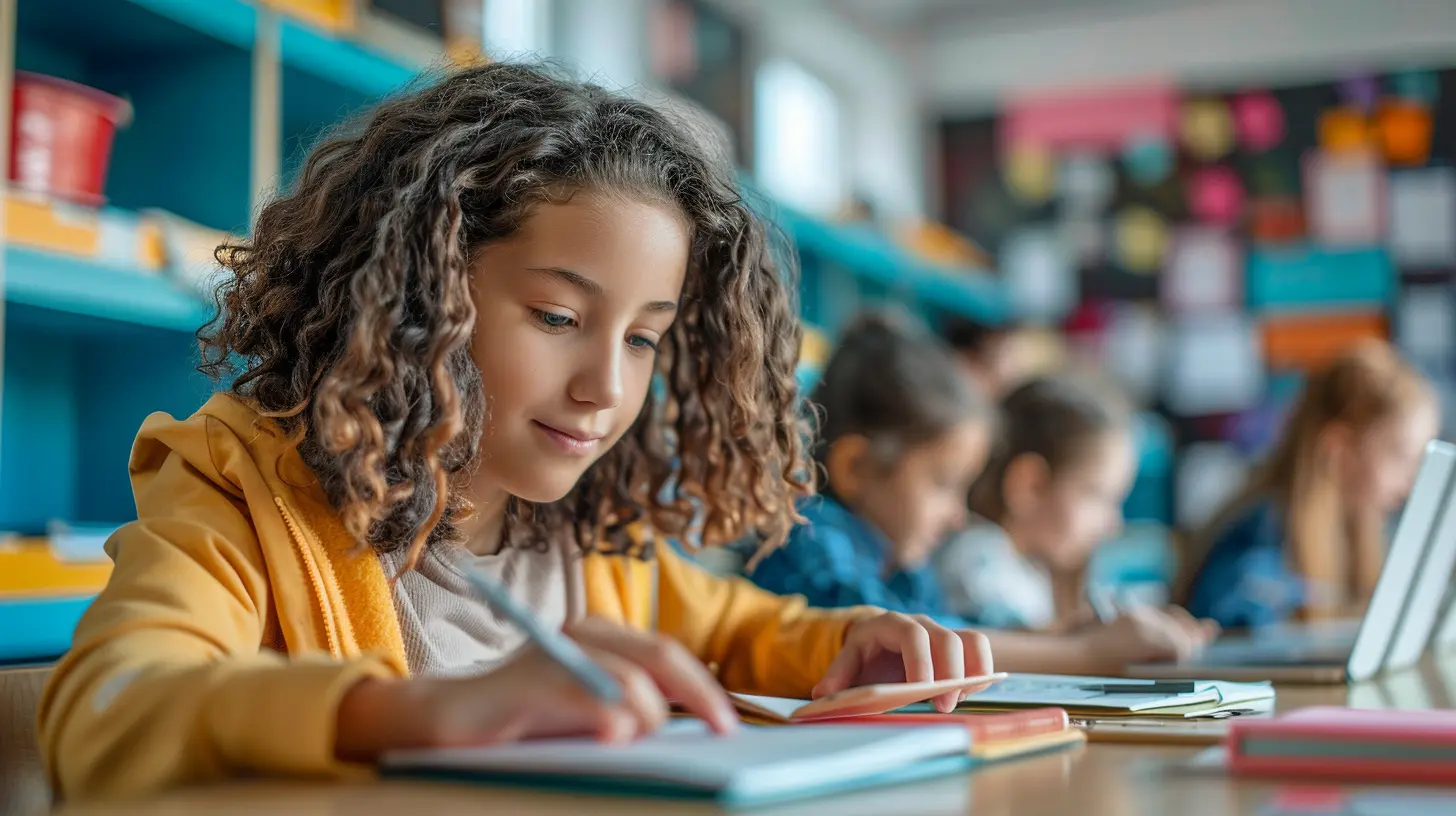
The Physical Space: Less Clutter, More Flow
Let's talk about the room itself. A paperless classroom in 2026 doesn't have rows of desks facing a whiteboard. That's a relic of the industrial age. Instead, the furniture is modular, lightweight, and on wheels. Students can reconfigure the space in minutes for a group project, a seminar discussion, or a solo deep-work session. The walls are covered in writable surfaces - not whiteboards that need markers, but digital panels that capture notes and save them to the cloud. You can sketch an idea on the wall, snap your fingers, and it appears on everyone's device.There are no filing cabinets. No shelves of textbooks. The only physical books are in a small lending library for pleasure reading - because, let's face it, some kids still prefer the feel of paper for novels. The class pet, however, might be a plant that gets watered via a sensor-based reminder. Even the clock is digital and shows a countdown for task timers. The room hums with low-level connectivity: Bluetooth beacons for location-based reminders, wireless charging pads built into the desks, and air quality sensors that adjust lighting and temperature based on how many students are in the room.
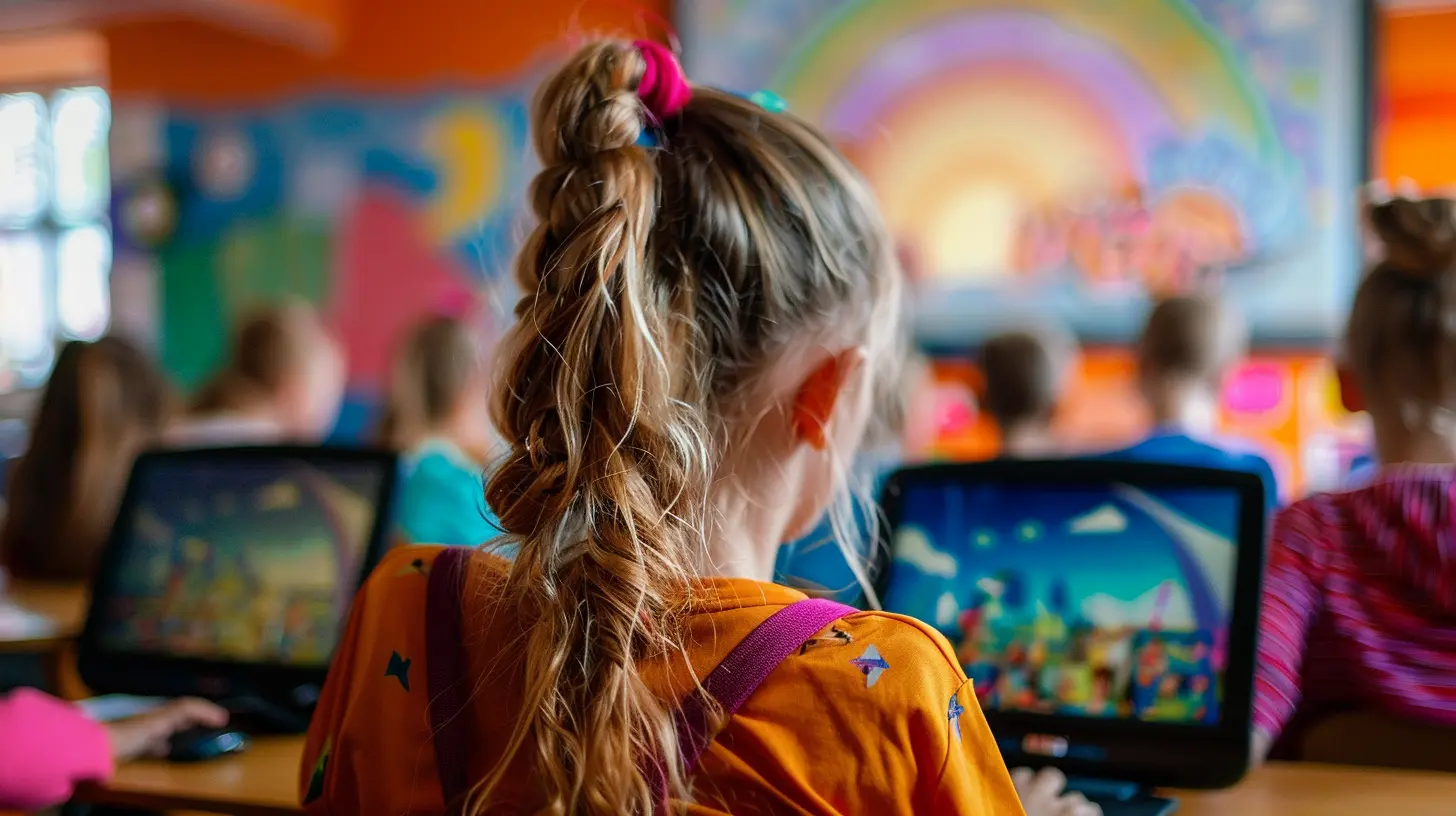
The Role of the Teacher: From Grader to Guide
This is the part that scares some educators, and I understand why. A paperless classroom doesn't mean the teacher is replaced by a robot. Quite the opposite. The teacher's job becomes more human, not less. When grading is automated for multiple-choice questions and basic comprehension checks, the teacher frees up hours previously spent on paperwork. Those hours get redirected to what matters: one-on-one coaching, small group instruction, and building relationships.By 2026, a teacher might spend the first 15 minutes of class doing a "pulse check" - a quick, anonymous digital poll that asks students how they're feeling, what they're struggling with, and what they're excited about. The teacher can see the results in real-time and adjust the lesson on the fly. If half the class is confused about a concept, the teacher doesn't plow ahead. They pivot. They call up a simulation, a video, or a peer-tutoring session. The curriculum is not a fixed path; it's a dynamic river.
And discipline? No more writing names on the board. If a student is off-task, the teacher can send a gentle nudge to their device, or temporarily restrict access to distracting apps. But the goal isn't punishment; it's redirection. The paperless classroom tracks engagement patterns over time. If a student consistently zones out during math, the system might suggest a different learning modality - maybe a hands-on project or a video game-based tutorial. The teacher becomes a detective, not a warden.
Assessment: The Death of the Final Exam
Standardized tests on paper? By 2026, that's as outdated as a floppy disk. Assessment is continuous, embedded, and invisible. Every time a student solves a problem, writes a paragraph, or participates in a discussion, the system captures data. Not to spy on them, but to map their learning journey. Instead of a single high-stakes exam, teachers have a rich portfolio of evidence: recorded presentations, annotated diagrams, code snippets, and collaborative project logs.Grading becomes more nuanced. An AI might flag that a student's essay shows strong argumentation but weak grammar. The teacher can then assign a targeted grammar module, not a generic worksheet. The student doesn't just get a letter grade; they get a heat map of their strengths and weaknesses. And here's the kicker: students can revise and resubmit work multiple times. The goal is mastery, not a deadline. A paperless classroom makes this possible because there's no physical paper to redo. You just hit "edit" and try again.
Parents, too, get a clearer picture. Instead of a quarterly report card with cryptic numbers, they receive a weekly digest: "Your child improved in fractions by 15% this week. They struggled with word problems. Here's a three-minute video explaining the concept, and here's a suggested activity you can do at home." No more hunting through a backpack for a crumpled test. The data is always accessible, always current.
The Equity Question: Not Just for Rich Schools
I know what you're thinking. "This sounds great for a wealthy private school, but what about underfunded public schools?" That's a valid concern. But by 2026, the landscape is shifting. Device costs have dropped. Many districts are moving to a "take-home device" model, where every student gets a tablet or laptop, often subsidized by state or federal programs. Internet access is still a hurdle, but community partnerships with libraries, churches, and even fast-food chains are providing free Wi-Fi hotspots. Some schools are using low-cost, offline-first apps that sync data when a connection is available.The paperless classroom doesn't require the latest gadgets. It requires a reliable device and a robust cloud platform. Many schools are adopting open-source software to keep costs down. And the savings from not buying paper, ink, printers, and textbooks can be redirected to tech support and teacher training. The transition is messy, and not every school will get there by 2026. But the trend is clear: paper is becoming a luxury item, not a necessity.
The Unexpected Side Effects
Going paperless has some surprising benefits. First, there's less physical clutter. Classrooms feel cleaner, calmer, and more organized. Second, there's less waste. A typical school uses thousands of sheets of paper per year. Eliminating that saves trees, water, and energy. Third, it changes the culture of learning. When everything is digital, students become more comfortable with revision, collaboration, and sharing their work. They learn that writing is not a one-and-done activity; it's a process.But there are downsides too, and I'm not going to ignore them. Screen fatigue is real. By 2026, smart classrooms will have built-in "eye breaks" - timed intervals where students look away from screens, do a physical activity, or engage in a face-to-face discussion. Some schools are experimenting with paper Fridays, where students unplug and use actual notebooks for creative writing or sketching. The goal is balance, not absolutes.
Another challenge is cybersecurity. A paperless classroom generates a mountain of data. Schools will need robust privacy policies, encryption, and parent consent. Hackers could target student records or disrupt lessons. But the same is true for any digital system. The solution is not to avoid technology but to build it responsibly. By 2026, most districts will have dedicated cybersecurity staff, just like they have school nurses.
The Student Experience: A Day in the Life
Let me paint a more concrete picture. Meet Maya, a 10th grader in 2026. She wakes up and checks her phone. Her morning briefing shows a reminder: "Your history group project is due at 3 PM. You are responsible for the section on economic impacts." She eats breakfast, then puts on her smart glasses. As she walks to school, the glasses overlay a trivia game about the topic - gamified review. She arrives, taps her wristband, and the classroom lights adjust to her preferences.First period is biology. Instead of dissecting a frog, Maya puts on a VR headset and walks through a 3D model of a frog's circulatory system. She can zoom in, rotate, and even "see" the blood flow. Her teacher watches from a dashboard, noting which students are exploring thoroughly and which are just clicking around. After the simulation, Maya opens a digital lab report and records her observations. She shares it with her lab partner, who adds data from his own session. They collaborate in real-time, even though they're sitting across the room.
Lunch is still a chaotic mix of socializing and eating, but there are no paper lunch tickets. Payment is digital. After lunch, Maya has math. The system has already identified that she's weak on quadratic equations. Her teacher assigns her a personalized set of problems that adapt to her pace. If she gets stuck, she can watch a short video or chat with a peer tutor via the platform. She finishes her work early and uses the extra time to explore a coding elective, all within the same device.
By the end of the day, Maya hasn't touched a single piece of paper. She walks home, and her backpack weighs almost nothing. She feels tired but engaged. The learning didn't stop at the classroom door; it followed her home, into her conversations, and even into her dreams. That's the promise of a fully paperless classroom: not just efficiency, but immersion.
Where We're Headed
Will every school be paperless by 2026? Probably not. Change takes time, money, and political will. But the trajectory is undeniable. We're moving toward a world where paper is the exception, not the rule. The classroom of 2026 will be more flexible, more data-driven, and more human - ironically, because machines are handling the tedious parts. Teachers will have more time to listen. Students will have more tools to create. And the environment will breathe a little easier.So, what does a fully paperless classroom look like by 2026? It looks like a place where the focus is no longer on the medium, but on the message. Where learning is active, personalized, and connected. Where the only limit is imagination, not the printer running out of ink. It's not a utopia, but it's a step forward. And honestly, I can't wait to see it.
all images in this post were generated using AI tools
Category:
Education And TechnologyAuthor:

Olivia Lewis
Discussion
rate this article
2 comments
Dominique West
It's exciting to think about a paperless classroom! Imagine all the space we can free up for creativity!
August 2, 2026 at 11:50 AM
Sylas Jimenez
A fully paperless classroom by 2026 could enhance student engagement and streamline learning. Embracing digital tools will prepare students for a tech-driven future while promoting sustainability in education.
May 17, 2026 at 4:39 AM
Olivia Lewis
I appreciate your thoughts! A paperless classroom could indeed reshape learning and prepare students for a digital future. It's an exciting prospect.