Why Emotional Regulation is Key in Childhood Development
29 June 2026
Let’s face it—being a kid isn’t always easy. There’s a whirlwind of emotions spinning inside those tiny hearts and minds: excitement, frustration, joy, sadness, and everything in between. But here’s the thing—how a child learns to manage those emotions (we call it emotional regulation) plays a massive role in who they become. It's like giving them the emotional steering wheel early on, helping them navigate life’s twists and turns with more confidence and less chaos.
So, why is emotional regulation such a big deal in childhood development? Buckle up. You’re about to find out.
What Is Emotional Regulation, Anyway?
Before we go any further, let’s make sure we’re on the same page.Emotional regulation is the ability to recognize, manage, and respond to emotions in a healthy way. It doesn’t mean ignoring feelings or pushing them down. Nope, it’s more about understanding them, keeping them in check, and expressing them in ways that don’t hurt ourselves or others.
Think of it like having a personal internal thermostat—not too hot, not too cold. Just right.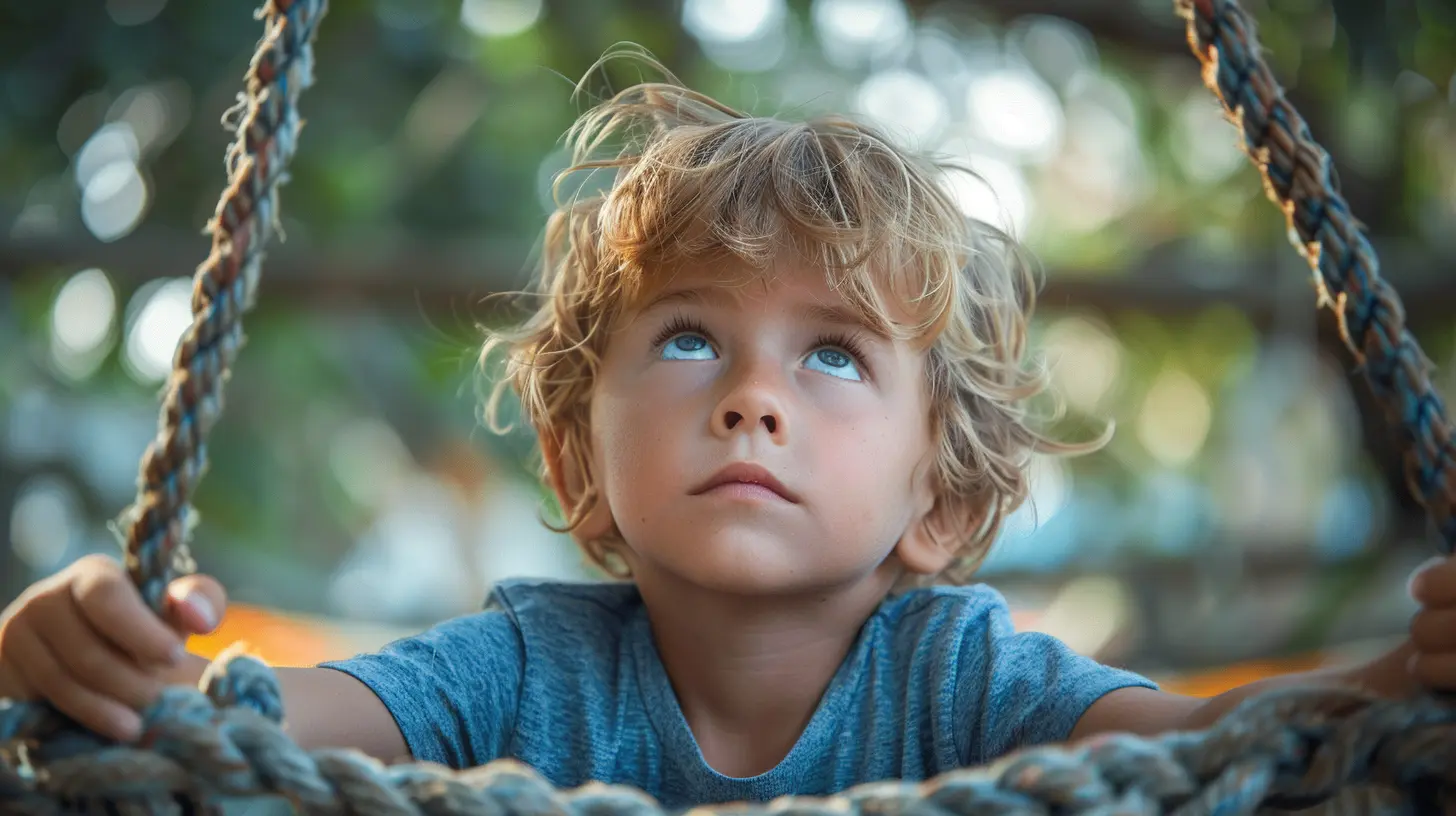
The Building Blocks: Why It Starts in Childhood
Children don’t just wake up one morning knowing how to regulate emotions. It takes time, guidance, and practice. And childhood? That’s the training ground. It’s the golden window when brains are hard at work wiring up connections that’ll shape how kids think, feel, and behave for the rest of their lives.Why does this matter? Because the way kids handle emotions today affects how well they’ll deal with life tomorrow—relationships, school, stress, work, and even their ability to be happy.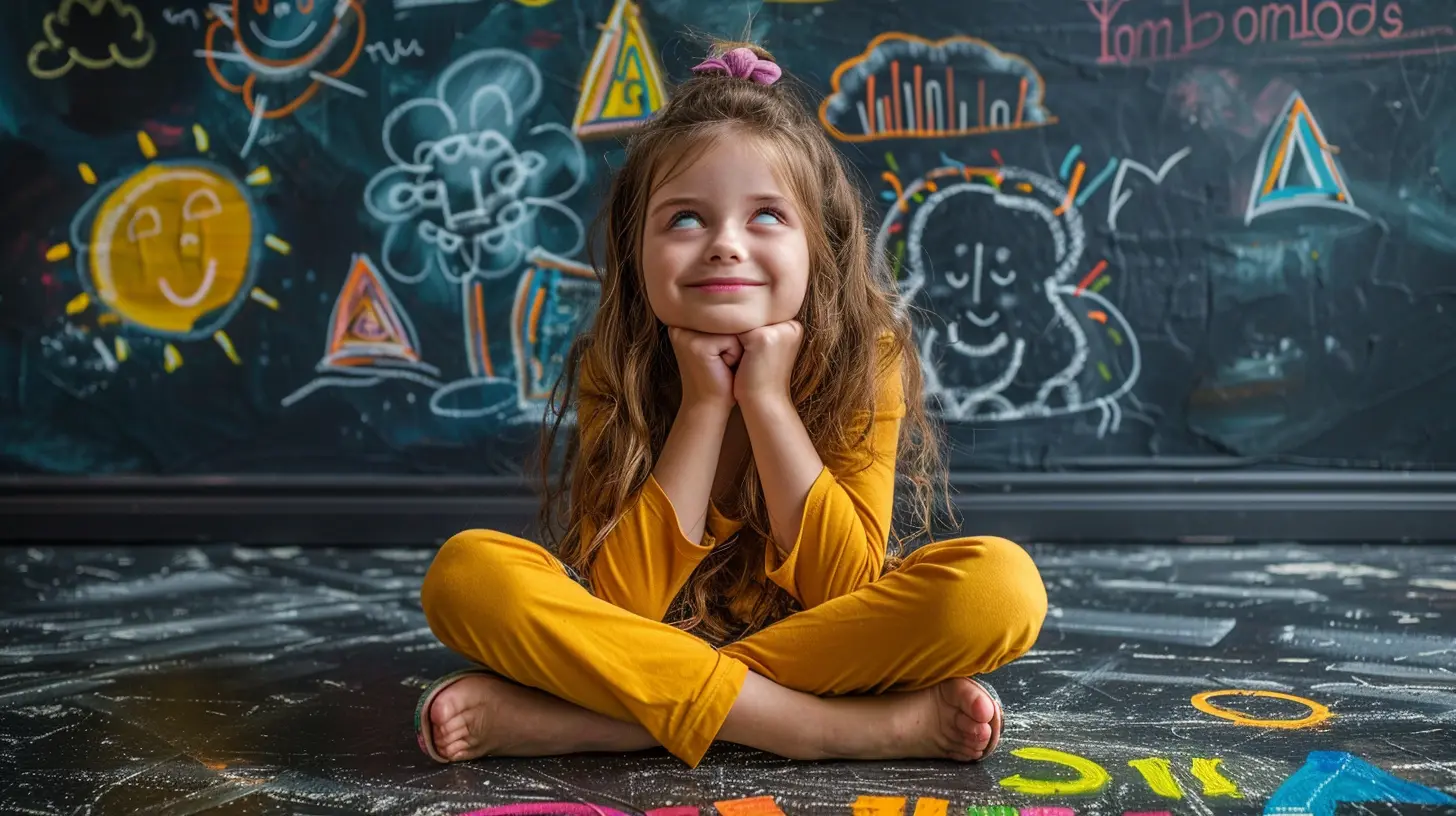
Emotional Regulation and the Brain
Let’s get a little science-y for a sec (don’t worry, no complex jargon here).At the heart of emotional regulation is the brain’s prefrontal cortex—the part responsible for decision-making and self-control. This area is still developing well into a child’s teens. That’s why kids often act on impulse or have meltdown moments. It’s not bad behavior—it’s biology.
But here’s the good news: with the right support and environment, this part of the brain can grow stronger. It’s like building a muscle. The more kids practice emotional regulation, the better they get at it.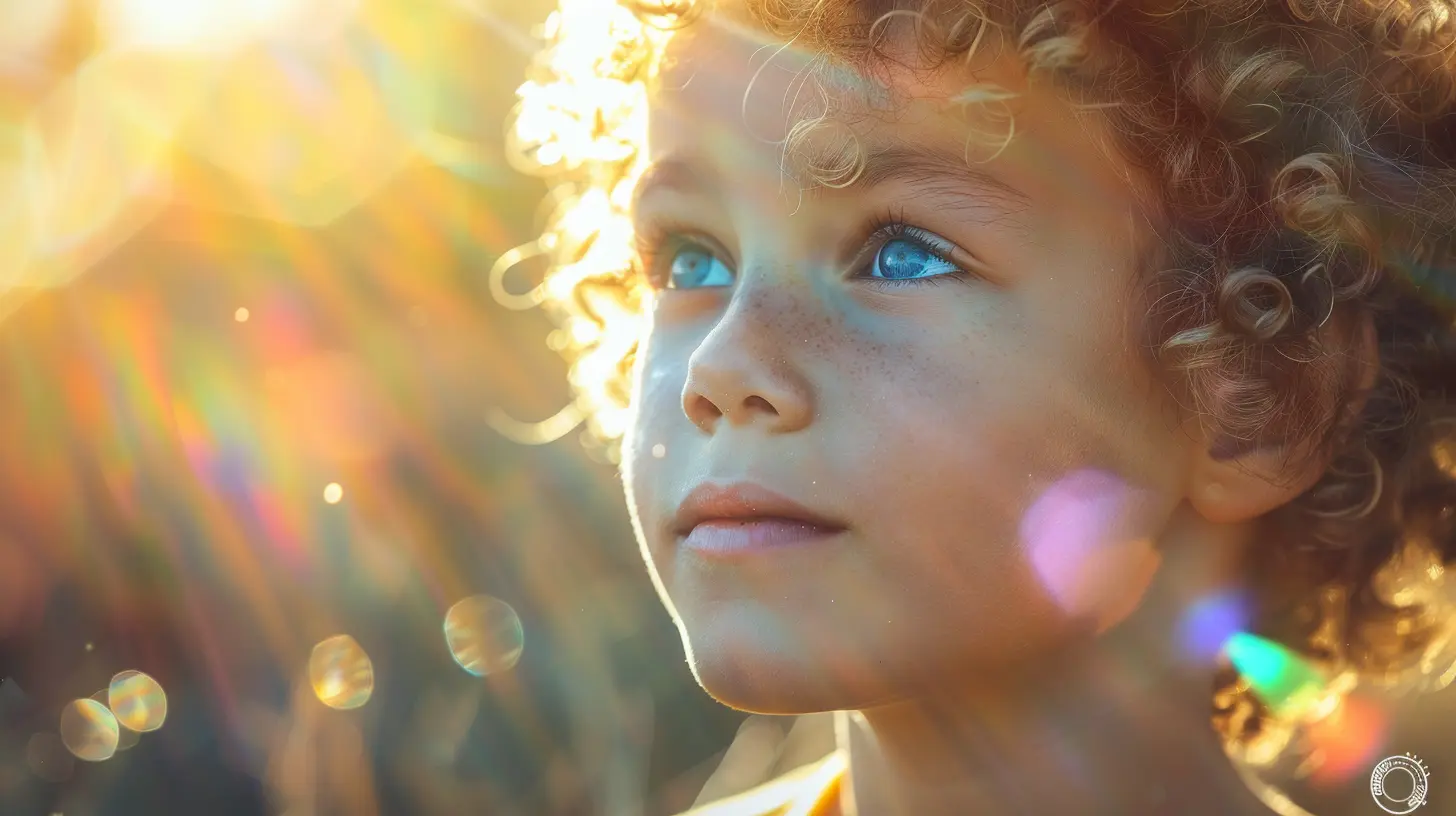
Why Emotional Regulation Matters: The Long-Term Benefits
1. Stronger Relationships
Imagine trying to make friends or get along with siblings when you're constantly overwhelmed or lashing out. Not easy, right?Kids who can manage their emotions tend to have better social skills. They’re more empathetic, they listen better, and they’re less likely to overreact. That leads to healthier friendships and smoother interactions at home, school, and beyond.
2. Better Academic Success
You might think emotional regulation doesn’t have much to do with school. But here’s a plot twist—it totally does.A child who can stay calm during stressful tests, handle group projects, and not fall apart when things go wrong is far more likely to succeed academically. Emotional control helps with focus, persistence, and resilience—all essential ingredients for school success.
3. Improved Mental Health
This one’s huge: kids who can regulate their emotions are less likely to struggle with anxiety, depression, and behavioral issues later in life.Why? Because they’ve got tools. They know how to name their feelings, soothe themselves, and ask for help. That emotional toolkit becomes their shield against life’s many storms.
4. Higher Self-Esteem
When kids feel in control of their emotions, their confidence soars. They know they can handle tough situations, and that belief in themselves leads to stronger self-worth.What Happens If Emotional Regulation Is Lacking?
Let’s not sugar-coat it. Poor emotional regulation in kids can lead to:- Frequent tantrums and melt-downs
- Difficulty making and keeping friends
- Academic struggles
- Poor impulse control
- Risky or aggressive behavior as teenagers
- Long-term mental health issues
It’s not about labeling kids as “bad.” It’s about recognizing that without proper emotional development, they’re operating without a compass. And that’s a tough way to live.
How Parents and Teachers Can Help
Now that we’ve covered the “why,” let’s talk about the “how.” Emotional regulation isn’t something a child figures out alone. They need role models and guidance. Here’s where parents, teachers, and caregivers step in.1. Label Emotions Early On
Start when they’re toddlers. Help them attach words to feelings: “You’re feeling sad because your toy broke,” or “You look really excited about your drawing!” This simple act builds emotional vocabulary.2. Be the Calm in Their Storm
Kids mirror what they see. If you respond to stress with patience and calm, they’re more likely to do the same. Even when they’re melting down, stay grounded. You're their emotional anchor.3. Practice Problem-Solving
Instead of jumping in to fix everything, guide them through it.Ask:
- “What do you think we can do about this?”
- “How could we handle this differently next time?”
This builds resilience and teaches them that emotions aren’t problems—they’re signals.
4. Use Books and Stories
Storytime isn’t just for fun. Choose books that talk about big feelings and how characters deal with them. It’s an easy way to talk about emotions in a safe, non-judgmental space.5. Teach Coping Strategies
Give them a toolkit. A few simple techniques:- Deep breathing (like blowing up a pretend balloon)
- Counting to 10
- Drawing how they feel
- Taking a quiet break
These methods teach self-soothing—a superpower in disguise.
Emotional Regulation Isn’t One-Size-Fits-All
Let’s get real: every child is different. Some are naturally cool as cucumbers. Others wear their emotions like firecrackers. And that’s okay.The key is meeting each child where they are. Tailor your approach to match their needs. Some kids might need more structure. Others might thrive with freedom to express themselves through art or movement.
It’s not about perfection. It’s about progress.
The Role of Schools in Emotional Development
Now, let’s shine a light on schools. With kids spending nearly half their waking hours in classrooms, educators have a major role to play.Social-Emotional Learning (SEL) Programs
More schools are introducing SEL programs—and for good reason. These lessons teach emotional intelligence right alongside math and reading. Kids learn about empathy, self-awareness, and conflict resolution in real, practical ways.Creating a Safe Emotional Environment
When kids feel emotionally safe at school, they’re more likely to take learning risks, participate in class, and build meaningful connections. That kind of environment doesn’t just happen; it’s built through trust, consistency, and care.Emotional Regulation Across Age Groups
Just as kids grow physically, their emotional needs change too. Let’s break it down:Preschoolers (Ages 3-5)
At this stage, emotions are wild and raw. Think big tantrums over tiny socks. The goal here is helping them identify feelings and offering tools to calm down (like deep breaths or hugging a teddy).Early School Years (Ages 6–9)
Kids start understanding that emotions come and go. They’re more socially aware, so teaching empathy and cooperation becomes key. Games, role-playing, and storytelling work wonders.Tweens and Teens (Ages 10–18)
The emotional rollercoaster kicks into high gear. Hormones are in the driver’s seat. Here, the focus should be on listening without judgment and helping them channel emotions positively—into art, sports, journaling, or conversations.Let’s Talk About You (Yes, You—the Adult)
Helping kids regulate emotions also means managing your own. Children are emotional sponges—they absorb how you react. So, sneaky truth? Your regulation game matters too.Feel overwhelmed sometimes? That’s okay. Take a beat. Pause. Breathe. Talk it out. You’re not just teaching emotional regulation. You’re living it. You're the model they’ll follow.
Final Thoughts: Growing a Future Full of Emotional Strength
Emotional regulation isn’t a nice-to-have. It’s a life essential—just like reading or riding a bike. The earlier kids learn it, the better equipped they are for everything life throws at them.Think of it like planting seeds. Every conversation, every hug during a meltdown, every bedtime chat about feelings—it’s all part of nurturing a strong, emotionally aware human being.
Because at the end of the day, when kids learn how to handle what’s going on inside, there's nothing they can't handle on the outside.
Let’s raise kids who feel it all, face it all, and still rise.
all images in this post were generated using AI tools
Category:
Child DevelopmentAuthor:

Olivia Lewis
Discussion
rate this article
1 comments
Colin McQuade
Emotional regulation in childhood shapes a child's future interactions and resilience. It builds a foundation for empathy and social skills. Teaching these skills early not only enriches their immediate environment but also prepares them for life's inevitable challenges...
July 6, 2026 at 3:01 AM