How Lifelong Learning Builds Resilience in Uncertain Times
1 April 2026
Let’s face it—uncertainty is the new norm. Whether it’s a sudden shift in the job market, a global health crisis, climate change, or rapid technological disruption, life has a habit of throwing curveballs. And let’s be honest, no one really saw most of them coming.
So how do we prepare for the unpredictable? How do we stand our ground when everything is shifting beneath our feet? The answer lies in a game-changing mindset: lifelong learning.
In this article, we're going deep into how lifelong learning doesn’t just add skills to your toolbox—it strengthens your ability to adapt, evolve, and bounce back stronger. Because, in uncertain times, it's not just what you know that matters, but how you grow.
What is Lifelong Learning, Really?
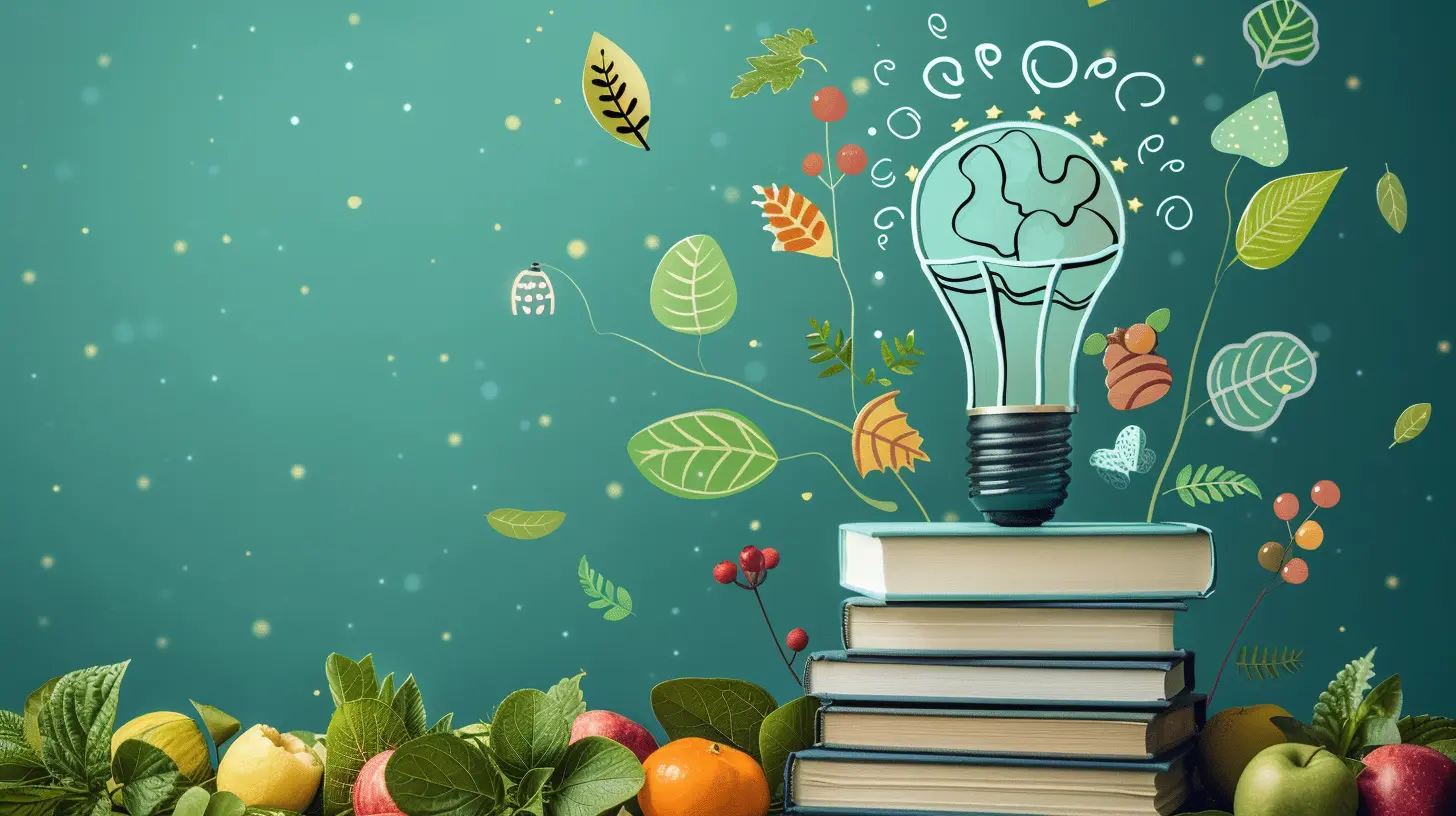
Let’s start with the basics. Lifelong learning isn’t just about formal education or sitting through another online tutorial. It’s a mindset. It’s the ongoing, voluntary, and self-motivated pursuit of knowledge for personal or professional reasons.And guess what? It doesn’t stop with school. You could be reading blogs, watching documentaries, listening to podcasts, taking online courses, or just asking more questions in everyday life. Boom—you’re learning.
More than just filling up your brain, lifelong learning helps you keep your mental muscles flexed and ready to respond. In today’s world, that’s more important than ever.
Why Resilience Matters More Than Ever
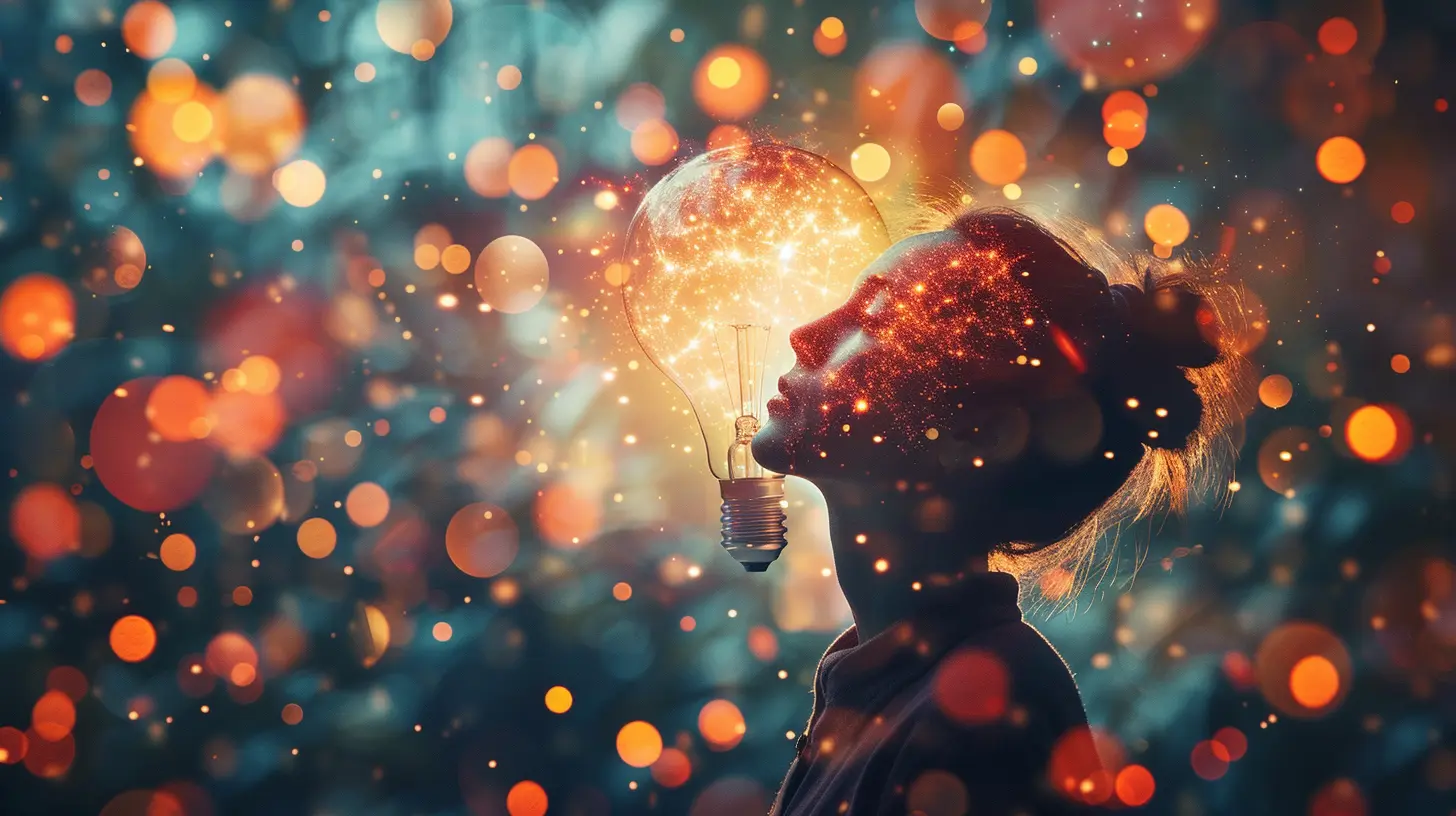
You’ve probably heard the term "resilience" tossed around a lot lately, especially since the pandemic. But let’s unpack it. Resilience is your ability to recover from setbacks and adapt in the face of challenges.Think of resilience as your psychological immune system. You build it up over time, and when life hits hard, it acts like armor—helping you bounce back instead of breaking down. And in a world that changes faster than your smartphone updates, that resilience is pure gold.
So how do we build it?
Here’s the magic link: Lifelong learning and resilience go hand-in-hand.
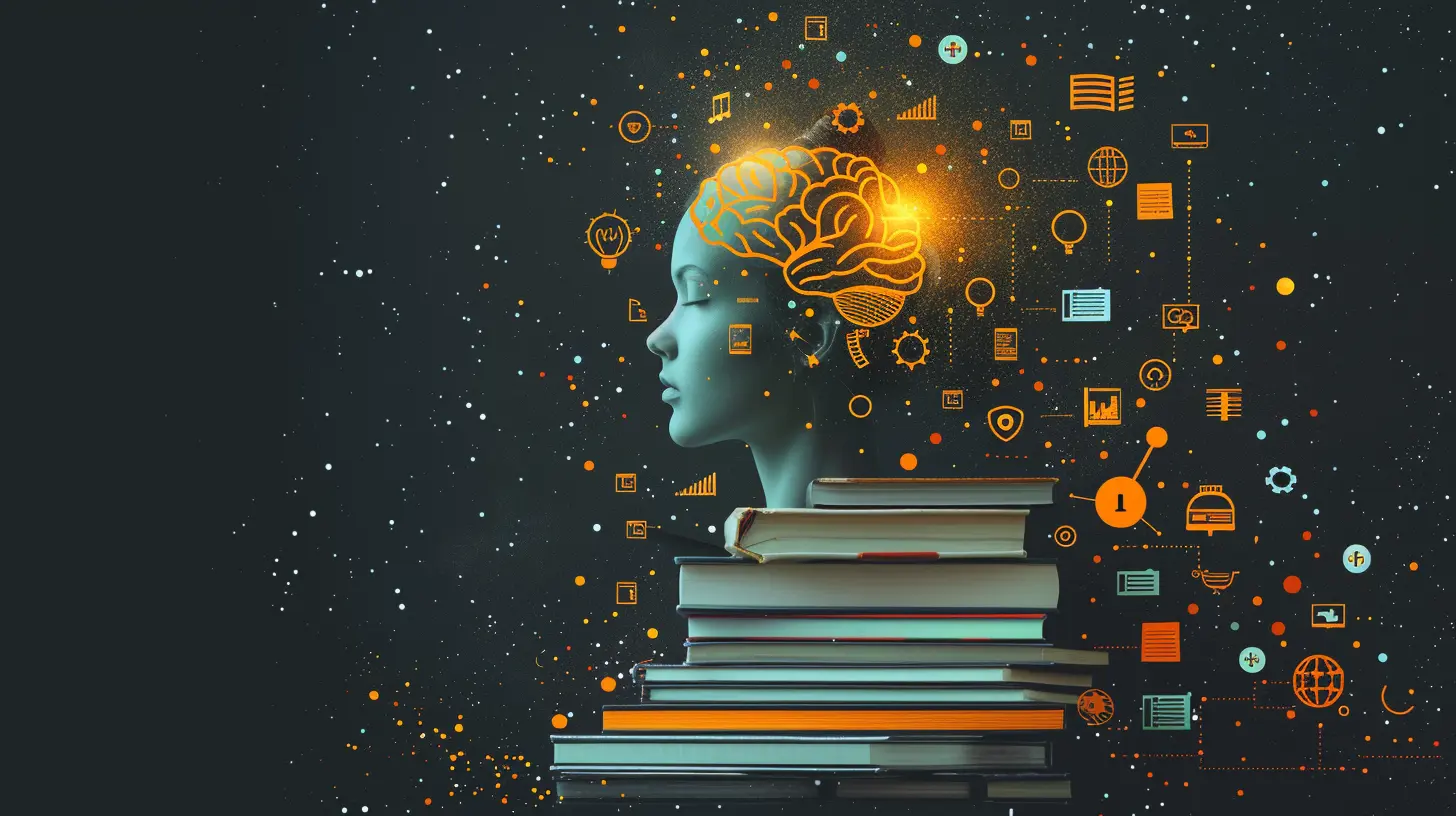
The Science Behind Lifelong Learning and Mental Flexibility
Here’s a cool fact: the human brain is plastic. Not the lunchbox kind of plastic—we’re talking about neuroplasticity. That’s your brain’s ability to reorganize and develop new connections over time. Lifelong learning keeps that plasticity alive.The more you learn, the more flexible your brain becomes. You’re not just collecting trivia—you’re wiring your mind to move faster, think critically, solve problems creatively, and adjust to new environments.
Now tell me that’s not a superpower.

Education Isn’t Just for Kids Anymore
One of the biggest myths we need to bust is that learning is something we only do in school. Nope. In fact, the most transformational learning often happens after the classroom.Look at people who’ve pivoted careers mid-life or started new businesses in their 40s or 50s. These people didn’t stop growing. They didn’t say, “I’ve learned enough.” They said, “What’s next?”
That mindset of continuous growth isn’t just good for success—it’s essential for survival in an unpredictable world.
It's Not About Knowing More—It's About Thinking Differently
Here’s the twist: Lifelong learning isn’t always about more knowledge. It’s about new ways of thinking.When you keep learning, you start building a mental GPS that helps you:
- Navigate change without panic,
- Make sense of chaos,
- Spot new opportunities where others see dead ends.
In other words, you're not just reacting to the world—you’re proactively reinventing yourself to stay ahead of it.
How Lifelong Learning Strengthens Emotional Resilience
Let’s get real for a second: uncertainty doesn’t just mess with plans—it messes with emotions.Stress, anxiety, fear of the unknown—these are all real reactions to uncertain times. But here’s where learning helps in ways you might not expect.
Learning gives us:
- A sense of agency: “Hey, I can still improve myself.”
- A distraction from worry: “I’m too busy growing to panic.”
- A grounding anchor: “This is something I can control.”
When you’re focused on learning, you shift from being overwhelmed to being empowered.
Adaptability: The Most Underrated Skill of the 21st Century
Let’s talk about adaptability. If resilience is the engine, adaptability is the wheels—it’s what actually gets you moving through challenging terrain.And how do you become more adaptable? You guessed it—by learning. Every new skill you acquire is like another tool in your survival kit.
Job loss? Learn something new and pivot.
Tech change? Upskill and stay relevant.
Societal disruption? Educate yourself and make informed decisions.
You’re not stuck. You’re shifting.
Examples of Lifelong Learning in Action
Let’s bring this to life with some stories.The Career Pivoter
Meet Sarah, a hospitality manager who lost her job during the pandemic. Instead of waiting around, she took online courses in digital marketing, built a portfolio, and now works remotely for a startup. That shift didn’t happen by luck—it happened through deliberate learning.The Mid-Life Student
John, 52, went back to school to study psychology after years in tech. Why? Because he wanted to make a difference in the mental health field. He didn’t let age or uncertainty stop him—he just kept learning.The Curious Parent
Maria, a stay-at-home mom, started learning coding through free resources. Now, her side hustle is building websites for local businesses. Her learning not only built resilience—it created opportunity.See the pattern?
Using Online Resources to Fuel Your Growth
The good news? We live in an age where access to learning is literally at our fingertips. And many of these resources are free or affordable.Some great platforms to check out:
- Coursera
- edX
- Udemy
- LinkedIn Learning
- Khan Academy
- YouTube (yep, seriously)
You can learn everything from AI basics to gardening, from philosophy to blockchain. Whatever your curiosity—there’s a course for that.
Make Learning a Habit, Not a One-Time Thing
Here’s where most people go wrong. They treat learning like a chore or a checkbox—something to finish, not something to live.To build resilience, learning needs to be part of your lifestyle. Just like working out keeps your body fit, regular learning keeps your mind sharp and agile.
Try this:
- Read one new article a day.
- Join online forums or communities of interest.
- Subscribe to a podcast on a topic you know nothing about.
- Take monthly mini-courses to challenge your thinking.
Small steps, big impact.
The Ripple Effect of Lifelong Learning
Here’s something powerful—your learning journey doesn’t just help you. It helps everyone around you.When you become more resilient:
- You inspire your kids to keep growing.
- You lead your team through tough transitions.
- You become a better problem solver, mentor, and visionary.
In uncertain times, leaders aren’t always the ones with the answers—but the ones who keep asking better questions. Lifelong learners make the best guides.
Barriers to Lifelong Learning—and How to Crush Them
Yes, we know. It’s not always easy.Here are some common roadblocks and how to get past them:
“I Don’t Have Time.”
You don’t need hours. Even 15 minutes a day adds up fast. Listen to an audiobook while commuting or do a micro-course during lunch.“I’m Too Old.”
Please. You’re only as old as your curiosity. Countless people start new chapters later in life. You can too.“I Don’t Know Where to Start.”
Start with what interests you. Learning doesn’t have to be strategic or career-driven—it just has to light you up inside. The rest will follow.Final Thoughts: The Real Reason Lifelong Learning Matters
Look, we can't control the world. We can’t stop changes, crises, or disruptions. But we can control how we respond to them.That’s what lifelong learning gives us: the grit to face uncertainty, the wisdom to navigate it, and the courage to grow from it.
So ask yourself—not “What do I need to know?” but “Who do I need to become?”
Because in uncertain times, the most resilient people aren’t the ones with all the answers, but the ones who refuse to stop asking questions.
all images in this post were generated using AI tools
Category:
Lifelong LearningAuthor:

Olivia Lewis
Discussion
rate this article
2 comments
Celeste McCool
Oh sure, because nothing says "I’ve got this" like juggling online courses while the world crumbles around you. Who needs sanity when you have lifelong learning?
April 3, 2026 at 4:35 AM
Olivia Lewis
I hear you! It can feel overwhelming, but lifelong learning can actually help us adapt and find strength in chaos.
Nellie Brown
This article effectively highlights the importance of lifelong learning in fostering resilience during uncertain times. By encouraging adaptability and continuous skill development, individuals can better navigate challenges. However, it would be beneficial to include specific examples of successful lifelong learners to further illustrate these concepts in action.
April 2, 2026 at 2:34 AM
Olivia Lewis
Thank you for your feedback! I appreciate your suggestion and will consider incorporating specific examples of successful lifelong learners in future revisions to enhance the article's impact.