How Social-Emotional Learning Boosts Academic Achievement
12 March 2026
In today's fast-paced and ever-changing world, the traditional academic curriculum is no longer enough to prepare students for the challenges they will face. Sure, knowing how to solve for "x" or write a stellar essay is important, but there's more to success than just acing tests. Enter Social-Emotional Learning (SEL)—a game-changing approach that not only nurtures emotional intelligence but also significantly boosts academic achievement. But how exactly does it work? And why is it so essential in today's educational landscape?
Let’s dive deep into how social-emotional learning acts as the rocket fuel for academic success.
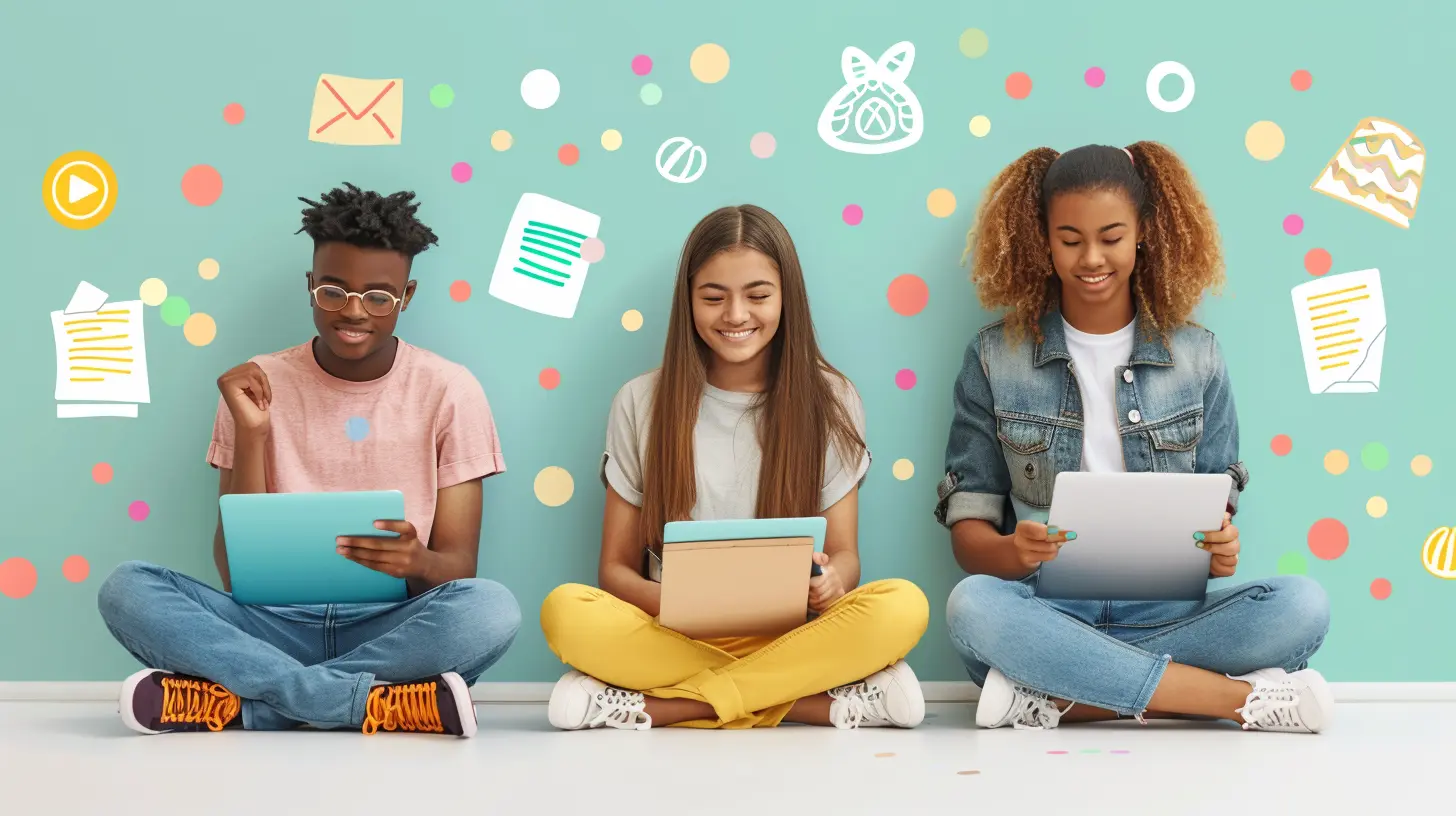
What Is Social-Emotional Learning (SEL)?
Before we get into the nitty-gritty of how SEL supercharges academic performance, let's break it down. Simply put, Social-Emotional Learning is the process through which individuals—especially kids and adolescents—develop the skills to manage emotions, set positive goals, show empathy, maintain positive relationships, and make responsible decisions. It's like equipping students with the tools to navigate life’s ups and downs while learning how to interact positively with others.Think of SEL as the foundation of a well-rounded education. It’s not just about solving math problems or memorizing historical dates; it’s about understanding yourself and others, which is crucial in all areas of life—including the classroom.
The Core Components of SEL
There are five core competencies that SEL focuses on:1. Self-awareness: The ability to recognize your emotions, strengths, and limitations.
2. Self-management: The skill to regulate your emotions, thoughts, and behaviors.
3. Social awareness: Understanding and empathizing with others, including those from diverse backgrounds.
4. Relationship skills: The ability to build and maintain healthy and rewarding relationships.
5. Responsible decision-making: Making choices that are ethical, constructive, and respectful.
Now that we know the basics, let’s explore how these SEL components translate into academic achievement.

How Social-Emotional Learning Boosts Academic Achievement
1. SEL Improves Focus and Attention in the Classroom
Let’s be honest: staying focused in a classroom full of distractions can be tough, even for adults. Now imagine being a student who’s also dealing with emotions like anxiety, stress, or frustration. Without proper tools to manage these feelings, it becomes nearly impossible for students to concentrate on their studies.SEL equips students with strategies to recognize and regulate their emotions. When a student can manage their stress or anxiety, their ability to focus on the lesson at hand improves dramatically. It's like clearing the fog from a windshield—everything becomes clearer, and the path to learning is more accessible.
When students are emotionally balanced, they can better absorb information, stay engaged, and tackle challenging tasks without getting overwhelmed. This emotional regulation translates to fewer distractions, more productive study time, and ultimately, improved academic outcomes.
2. SEL Enhances Problem-Solving Skills
At its core, education is about problem-solving—whether you're deciphering a tricky math equation, analyzing a piece of literature, or conducting a science experiment. Here’s the thing: problem-solving isn’t just about having the right answer; it’s about approaching challenges with the right mindset.SEL nurtures critical thinking and decision-making skills by teaching students how to break down problems, evaluate their options, and consider the potential consequences of their actions. These are life skills that extend far beyond the classroom, but they’re also incredibly useful in academic settings.
Students who have developed strong responsible decision-making skills are more likely to approach academic challenges methodically. They learn how to persevere through difficult tasks instead of giving up, which directly contributes to better academic performance.
3. SEL Cultivates a Positive Learning Environment
Ever been in a classroom where students are constantly bickering, or there’s tension between the teacher and students? Learning in that environment feels nearly impossible. A toxic classroom dynamic can make it difficult for students to feel safe or respected, which often leads to disengagement and poor academic performance.Enter SEL. By fostering empathy, kindness, and cooperation, SEL helps create a positive learning environment where students feel supported, valued, and respected. When students are equipped with the skills to manage conflicts peacefully and build positive relationships, the overall classroom atmosphere improves.
A positive classroom climate is a breeding ground for academic success. In these spaces, students are more likely to participate, collaborate with their peers, and feel motivated to succeed. It’s like creating fertile soil for a garden—when the environment is healthy, growth naturally follows.
4. SEL Reduces Anxiety and Improves Mental Health
Anxiety is no stranger to students, especially in today’s competitive academic environment. Whether it’s the pressure to get good grades, fit in socially, or meet parental expectations, anxiety can take a serious toll on a student's academic performance.SEL provides students with the tools to manage their emotions, reducing feelings of stress and anxiety. Techniques like mindfulness, positive self-talk, and emotional regulation are all part of the SEL toolkit. When students can handle their anxiety, they’re more likely to perform well on tests, complete assignments on time, and participate in class discussions.
And let’s not forget the long-term benefits. Students who develop strong emotional management skills early on are less likely to experience burnout, depression, or other mental health issues that can derail their academic journeys.
5. SEL Boosts Motivation and Engagement
Motivation is the driving force behind academic success. But what happens when a student feels disconnected from their schoolwork? They disengage, procrastinate, and their grades start to slip.SEL works to reignite that spark by helping students set personal goals and recognize their own achievements. When students understand their emotions and feel connected to their learning, they’re more likely to take ownership of their education. They become intrinsically motivated to do well—not just to please their teachers or parents, but because they genuinely care about their own progress.
Think of it like planting a seed. When a student’s emotional and social needs are met, it’s like giving that seed the sunlight and water it needs to grow. The result? A more engaged, motivated learner who’s ready to tackle any academic challenge.
6. SEL Encourages Collaboration and Teamwork
In today’s interconnected world, collaboration is key—not just in the classroom, but in life and the workplace. Whether it’s working on group projects, participating in class discussions, or simply sharing ideas, students need strong social skills to succeed academically.SEL emphasizes the importance of relationship-building and teamwork. When students learn how to communicate effectively, resolve conflicts, and empathize with their peers, they become better collaborators. This translates into more successful group projects, better participation in class, and an overall improvement in academic performance.
Moreover, students who feel connected to their peers are more likely to engage in school activities, attend classes regularly, and enjoy learning. Collaboration doesn’t just make learning more enjoyable—it makes it more effective.
7. SEL Prepares Students for Lifelong Success
Let’s zoom out for a second. While academic achievement is important, the ultimate goal of education is to prepare students for success in life. Whether they’re heading to college, entering the workforce, or pursuing other ventures, students need more than just book smarts to thrive.SEL equips students with the social and emotional skills they need to succeed in any environment. From career success to personal relationships, the emotional intelligence gained through SEL is invaluable. And as studies have shown, individuals with high emotional intelligence tend to perform better in their careers and report higher levels of life satisfaction.
By integrating SEL into the academic curriculum, we’re not just preparing students to ace their exams—we’re preparing them for lifelong success.

The Science Behind SEL and Academic Achievement
If you're still wondering whether SEL really makes a difference, the research speaks for itself. Numerous studies have shown that students who participate in SEL programs demonstrate significantly higher academic performance, improved attitudes toward school, and reduced behavioral issues.For example, a meta-analysis of 213 SEL programs conducted by the Collaborative for Academic, Social, and Emotional Learning (CASEL) found that students who received SEL instruction had an average of 11 percentile points higher in academic achievement compared to those who didn’t. These students were also less likely to experience anxiety, depression, or behavioral issues—all factors that can negatively impact academic success.
The takeaway? SEL isn’t just a “nice-to-have” in education—it’s a “must-have” if we want to see our students thrive academically and personally.
Conclusion: The Power of SEL in Education
Incorporating Social-Emotional Learning into the educational framework is one of the most powerful ways to boost academic achievement. By teaching students how to manage their emotions, build positive relationships, and make responsible decisions, SEL sets the stage for academic success—not just in school, but in life.So, the next time you hear someone say that social-emotional learning is just "fluff," remember: it’s the secret sauce that helps students unlock their full potential, both in and out of the classroom. And isn’t that the ultimate goal of education?
all images in this post were generated using AI tools
Category:
Social Emotional LearningAuthor:

Olivia Lewis
Discussion
rate this article
2 comments
Tempra Perez
Great insights! Social-emotional learning truly transforms academic success and student well-being!
March 16, 2026 at 4:14 AM
Olivia Lewis
Thank you! I'm glad you found the insights valuable. SEL is indeed crucial for enhancing both academic success and student well-being!
Soren O'Brien
Social-emotional learning enhances student engagement, resilience, and collaboration, significantly improving academic performance and overall well-being.
March 15, 2026 at 8:08 PM
Olivia Lewis
Thank you for your insight! Indeed, social-emotional learning plays a crucial role in fostering a positive learning environment that boosts both engagement and academic success.