Teaching Emotional Literacy: Helping Students Name and Understand Their Feelings
5 June 2026
Emotions—they’re complex, aren’t they? As adults, we often struggle to put our feelings into words. Imagine how much more difficult it must be for children! This is where emotional literacy steps in. Emotional literacy is the ability to identify, understand, and express feelings in a healthy way. For students, this skill is fundamental, not just for personal development, but for academic success and building meaningful relationships.
In this article, we’ll dive deep into teaching emotional literacy: how educators can help students name and understand their feelings. We’ll explore practical strategies, the importance of emotional literacy, and how this key skill impacts a student's overall well-being. Ready to get started?

What Is Emotional Literacy?
Before we jump into the "how," let’s get clear on what emotional literacy actually means. Essentially, emotional literacy is like learning a new language—the language of emotions. It’s the ability to not only identify your own feelings but also understand the emotions of others. Just like learning to read or write, emotional literacy requires practice, patience, and guidance.Think back to when you were a child. How did you feel when you were frustrated but couldn’t find the words to express it? Maybe you threw a tantrum or cried because you didn’t know how else to deal with the situation. Emotional literacy helps prevent those outbursts by teaching children how to articulate their feelings—whether they're happy, sad, angry, or confused.
Why Is Emotional Literacy Important for Students?
So, why should educators prioritize emotional literacy alongside math, reading, and science? Well, emotional literacy is the foundation for a well-rounded education. When students can name and understand their feelings, they’re more likely to:- Build healthier relationships: When you can express how you feel, you’re better equipped to resolve conflicts and understand others.
- Improve academic performance: Research shows that emotionally literate students perform better in school. When they're not bogged down by unexpressed emotions, they can focus on learning.
- Develop resilience: Life is full of ups and downs, especially for growing children. Emotional literacy helps students navigate life’s challenges more effectively.
- Enhance mental well-being: Emotional literacy is closely tied to mental health. Students who understand their emotions are less likely to internalize stress, anxiety, and depression.
In short, emotional literacy isn’t just a "soft skill"—it’s essential for success both inside and outside the classroom.
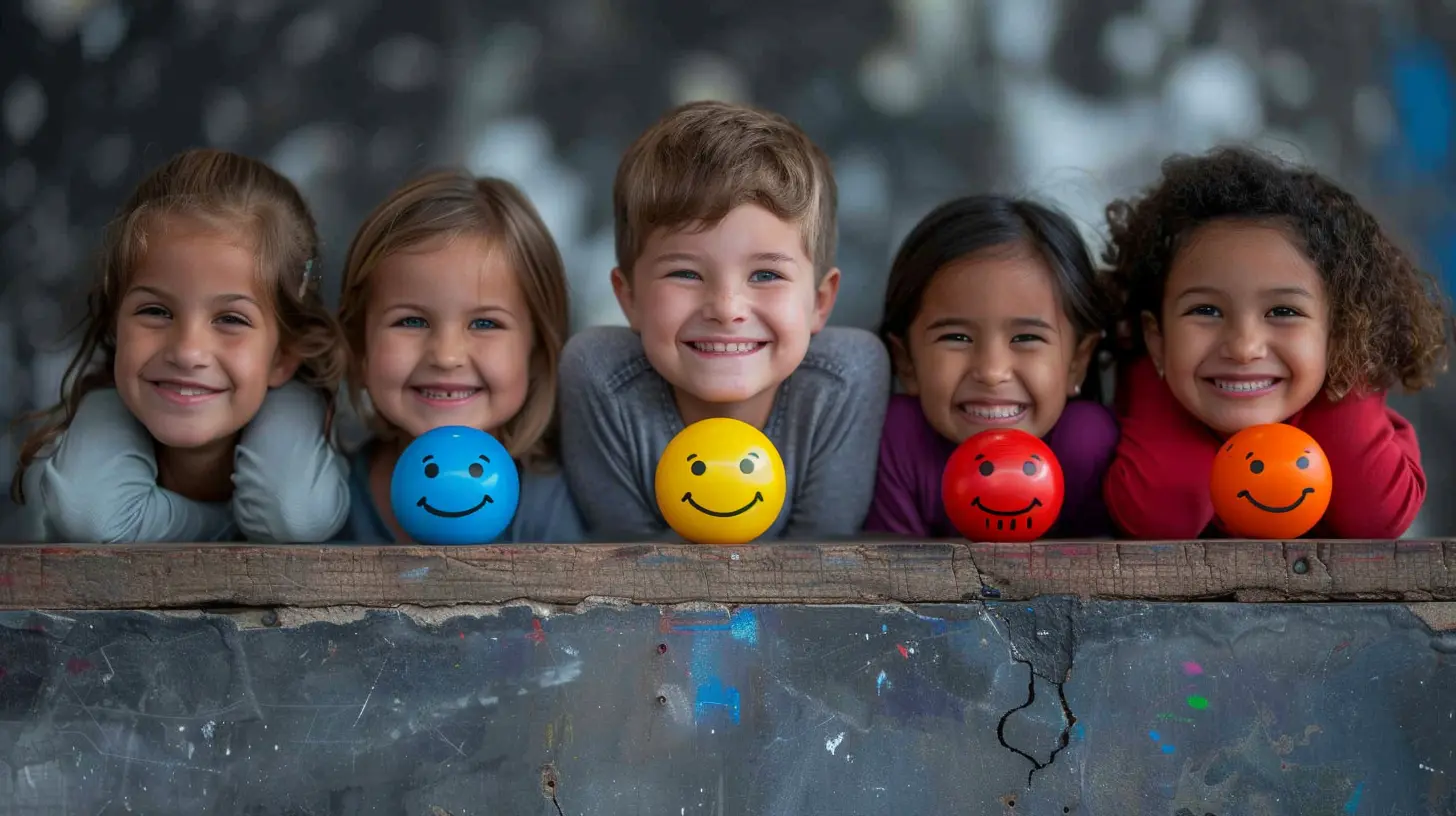
The Connection Between Emotions and Learning
It’s no secret that emotions and learning are deeply connected. Think about the last time you were upset or stressed. It was probably tough to focus, right? The same goes for students. When they’re overwhelmed by emotions they don’t understand, learning becomes challenging. By teaching emotional literacy, educators can help students manage their feelings and create a more conducive environment for learning.Emotional Regulation in the Classroom
The term "emotional regulation" comes up a lot in discussions about emotional literacy, and for good reason. Emotional regulation is the ability to manage your emotions in a way that’s appropriate to the situation. When students can regulate their emotions, the classroom becomes a more peaceful and productive space.Picture this: A student is frustrated because they’re struggling with a math problem. Instead of throwing their pencil across the room or giving up, they take a deep breath and ask for help. That’s emotional regulation in action—and it’s something that can be taught through emotional literacy.
The Role of Teachers in Emotional Literacy Development
Teachers are on the front lines of emotional literacy education. While parents play a crucial role at home, teachers spend a significant amount of time with students and are often the first to notice when something is off emotionally.But here’s the thing: Teaching emotional literacy doesn’t require a degree in psychology. It’s about creating a classroom environment where emotions are acknowledged and discussed openly. When students feel safe to express themselves, they’re more likely to engage in learning and build positive relationships with their peers.

Strategies for Teaching Emotional Literacy in the Classroom
Now that we’ve established the importance of emotional literacy, let’s talk about practical strategies for teaching it in the classroom. Whether you’re working with kindergartners or high school seniors, the following techniques can be adapted to suit your students’ developmental stage.1. Use Emotion Words Frequently
One of the simplest ways to teach emotional literacy is by incorporating "emotion words" into your daily conversations with students. Instead of asking, "How are you?" try, "How are you feeling today?" Encourage students to use specific words to describe their emotions, like “excited,” “frustrated,” “nervous,” or “proud.”For younger students, you can create an "emotion word wall" in your classroom. This visual tool helps students identify different feelings and provides a reference when they’re struggling to find the right words.
2. Model Emotional Literacy
As an educator, you’re a role model for your students in more ways than one. By demonstrating emotional literacy yourself, you show students how to handle their own emotions. For example, if you’re feeling stressed about a busy week, say something like, "I’m feeling a little overwhelmed today, so I’m going to take a few deep breaths to help myself focus."When students see you naming your emotions and using healthy coping strategies, they’re more likely to follow suit.
3. Incorporate Social-Emotional Learning (SEL) Activities
Social-Emotional Learning (SEL) is a teaching framework that focuses on developing students' emotional intelligence. Many schools are already incorporating SEL into their curriculum, but if yours isn’t, you can easily integrate SEL activities into your lessons.Here are a few ideas:
- Emotion Journals: Ask students to write down how they’re feeling at the start and end of each day. Encourage them to be as descriptive as possible—not just "happy" or "sad," but why they’re feeling that way.
- Role-Playing: Create scenarios where students have to navigate emotional situations, like resolving a conflict with a friend or dealing with disappointment. This helps them practice empathy and problem-solving.
- Mindfulness Exercises: Mindfulness teaches students how to stay present and regulate their emotions. Simple exercises like deep breathing or guided meditation can have a big impact on emotional regulation.
4. Normalize Emotional Conversations
In many households and schools, emotions are sometimes seen as something to be "controlled" or "suppressed." We’ve all heard phrases like, "Stop crying," or, "Don’t be so emotional." However, these kinds of statements can lead students to believe that their emotions are wrong or bad.Instead, normalize emotional conversations in your classroom. Make it clear that all emotions are valid and that it’s okay to talk about how you’re feeling. This creates a safe space for students to express themselves without fear of judgment.
5. Create a "Calm Corner"
Sometimes, students just need a moment to regroup. Creating a "calm corner" in your classroom is a great way to support emotional regulation. This space should be quiet and filled with calming tools like stress balls, coloring books, or fidget toys. When students feel overwhelmed, they can visit the calm corner to take a break and collect themselves before returning to class.6. Teach Empathy and Perspective-Taking
Emotional literacy isn’t just about understanding your own feelings—it’s also about understanding the feelings of others. Teaching empathy and perspective-taking helps students develop social awareness and build stronger relationships.One way to teach empathy is through literature. Reading books about characters who experience a range of emotions can help students see the world through someone else’s eyes. After reading, ask your students questions like, "How do you think the character felt when that happened?" or, "What would you do if you were in their shoes?"
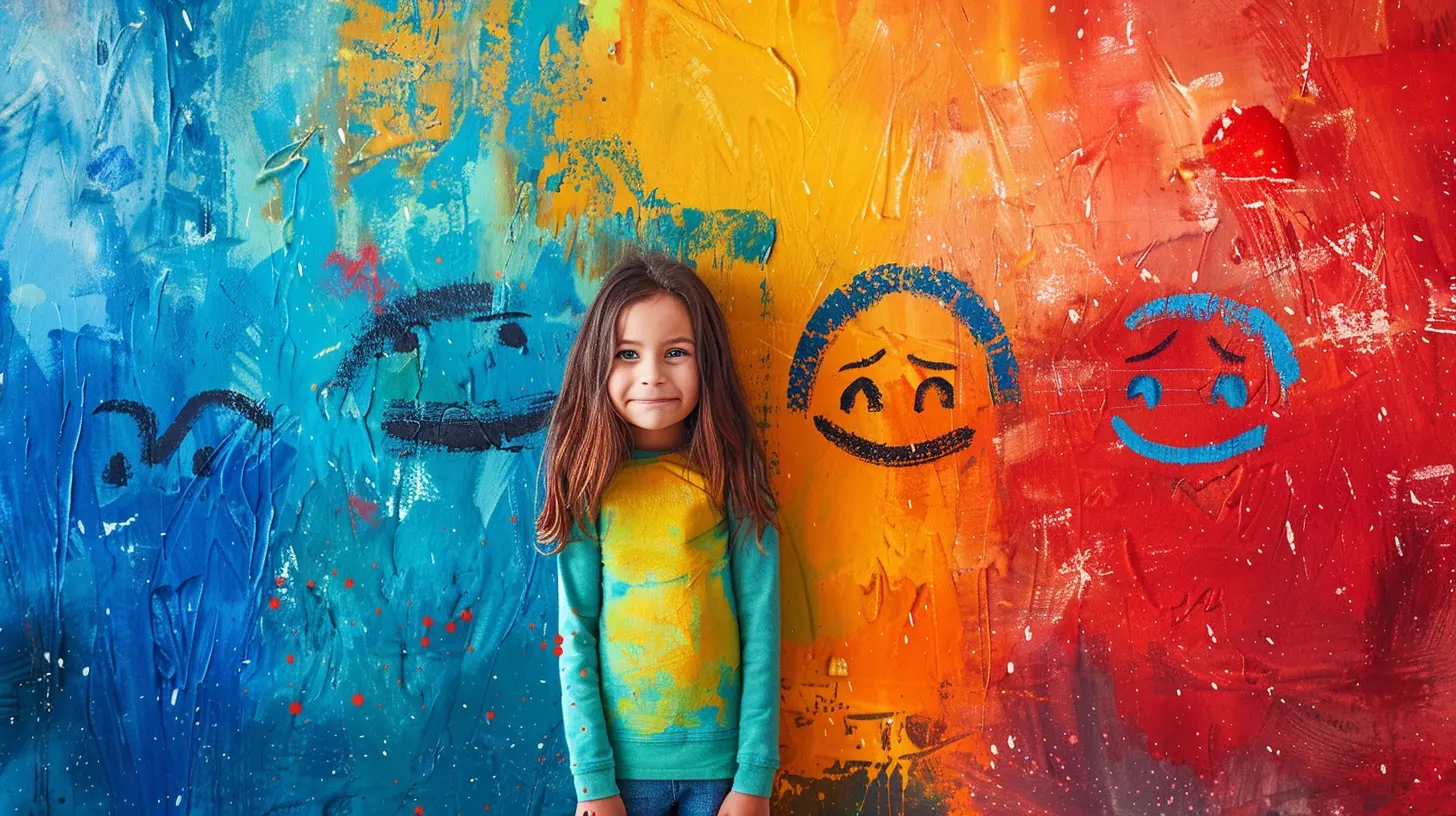
The Long-Term Benefits of Emotional Literacy
The benefits of emotional literacy extend far beyond the classroom. As students grow into adulthood, their ability to understand and express their emotions will affect nearly every aspect of their lives—from their careers to their personal relationships.Emotional Literacy in Careers
In the workplace, emotional literacy is highly valued. Employers are increasingly looking for employees who can manage stress, communicate effectively, and work well in teams—all skills that stem from emotional intelligence.When students learn emotional literacy early on, they’re better equipped to handle the challenges of the workforce. They’re more likely to thrive in collaborative environments, lead with empathy, and stay resilient in the face of obstacles.
Emotional Literacy in Personal Relationships
On a personal level, emotional literacy lays the groundwork for healthy relationships. Whether it’s with friends, family, or romantic partners, the ability to name and understand your feelings—and communicate them clearly—can make all the difference.Emotionally literate individuals are more likely to resolve conflicts peacefully, support their loved ones during tough times, and build deeper, more meaningful connections.
Conclusion: The Power of Emotional Literacy
Teaching emotional literacy is one of the most powerful things educators can do to support their students' overall well-being. When students can name and understand their feelings, they’re better prepared to navigate the complexities of life—both in and out of the classroom.From improving academic performance to fostering healthier relationships, emotional literacy is truly a skill that keeps on giving. So, let’s make emotional literacy a priority in our classrooms. After all, emotions are part of what makes us human, and understanding them is key to living a fulfilling, balanced life.
all images in this post were generated using AI tools
Category:
Social Emotional LearningAuthor:

Olivia Lewis
Discussion
rate this article
1 comments
Megan McMahon
Feelings aren't scary. Let's teach kids to own them!
June 16, 2026 at 2:39 AM