Using PE to Teach Conflict Resolution and Cooperation
6 April 2026
Physical Education (PE) isn't just about running laps or playing soccer; it can be a powerful tool for fostering essential life skills like conflict resolution and cooperation. Think about it—students are constantly interacting, competing, and working together in PE class. What better place to teach them how to handle disagreements, work as a team, and communicate effectively?
But how exactly does PE help? And why should we use sports and physical activities to teach these vital skills? Well, let's dive in and break it down!
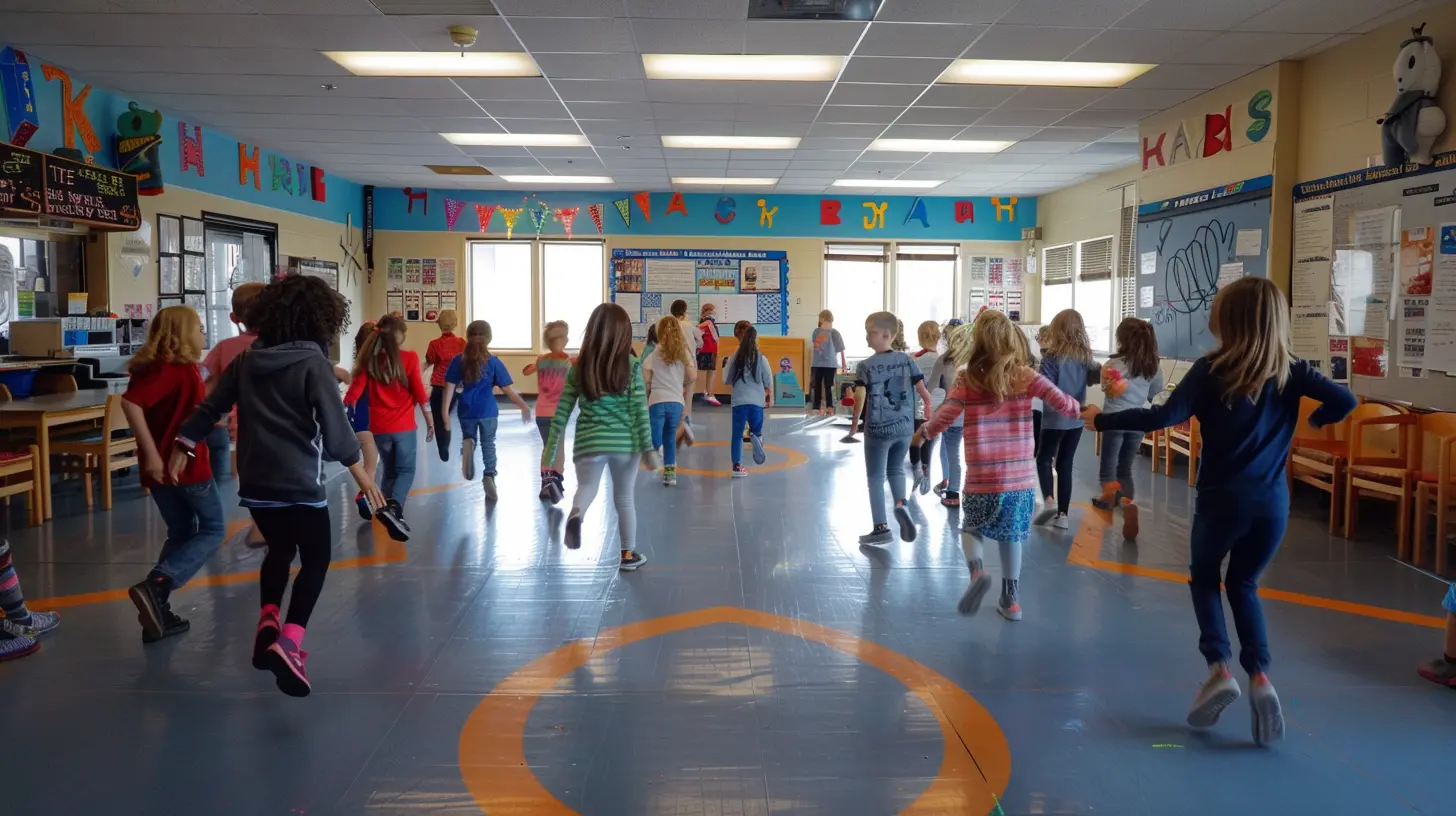
The Power of Physical Education Beyond Fitness
When most people think about PE, they imagine exercises, sports, and maybe even the dreaded beep test. But PE is so much more than just physical fitness—it plays a massive role in shaping a child’s social and emotional development.Consider this: Kids often find themselves in tricky situations during games and activities. Maybe there's a disagreement about a foul in basketball, or someone feels left out during a group activity. These are perfect opportunities for students to practice resolving conflicts and working together.
Incorporating lessons on communication, teamwork, and problem-solving into PE can help students develop critical life skills that extend beyond the gymnasium.
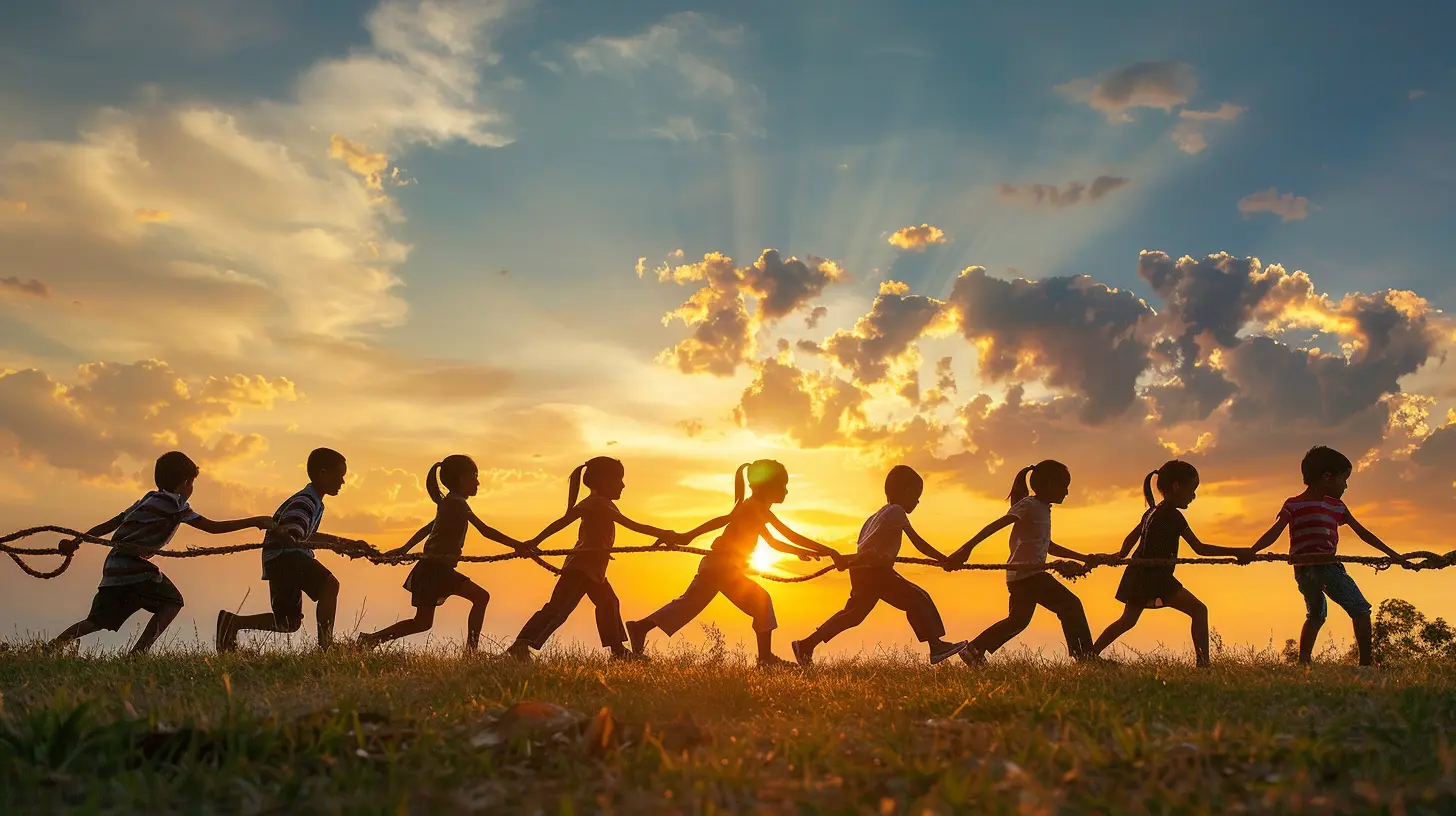
Understanding Conflict Resolution in PE
Conflict is inevitable—whether it's in the classroom, on the playground, or later in life at work. Teaching kids how to handle disputes in a healthy way can set them up for success in all areas of life.Why Conflict Happens in PE
In a PE setting, conflicts can arise from:- Competition: Students want to win, and emotions can run high.
- Unclear Rules: Misunderstandings about game rules can lead to frustration.
- Lack of Teamwork: Some students may struggle with cooperation, leading to friction.
- Different Skill Levels: When some players are more skilled than others, it can create tension.
Teaching Conflict Resolution Through PE
Now, here’s where PE teachers can step in and work their magic! Here are some effective ways to teach conflict resolution during PE classes:1. Encouraging Open Communication
When disagreements happen, encourage students to talk things out rather than bottling up frustration. Teach them to express their feelings using “I” statements—for example, “I felt frustrated when you didn’t pass me the ball” instead of blaming others.2. The “Pause and Reflect” Rule
Instead of allowing a heated exchange to escalate, introduce a simple rule: Pause. Breathe. Reflect. If students start arguing, have them take a step back, cool off, and then discuss their concerns calmly.3. Teaching Perspective-Taking
Help students see things from different points of view. If a conflict arises, ask questions like, “How do you think the other person feels?” This helps build empathy and encourages understanding.4. Encouraging Positivity and Sportsmanship
It’s easy to focus on winning, but teaching students the value of good sportsmanship is essential. Congratulating opponents, shaking hands after a game, and celebrating teamwork over victories all help reinforce this mindset.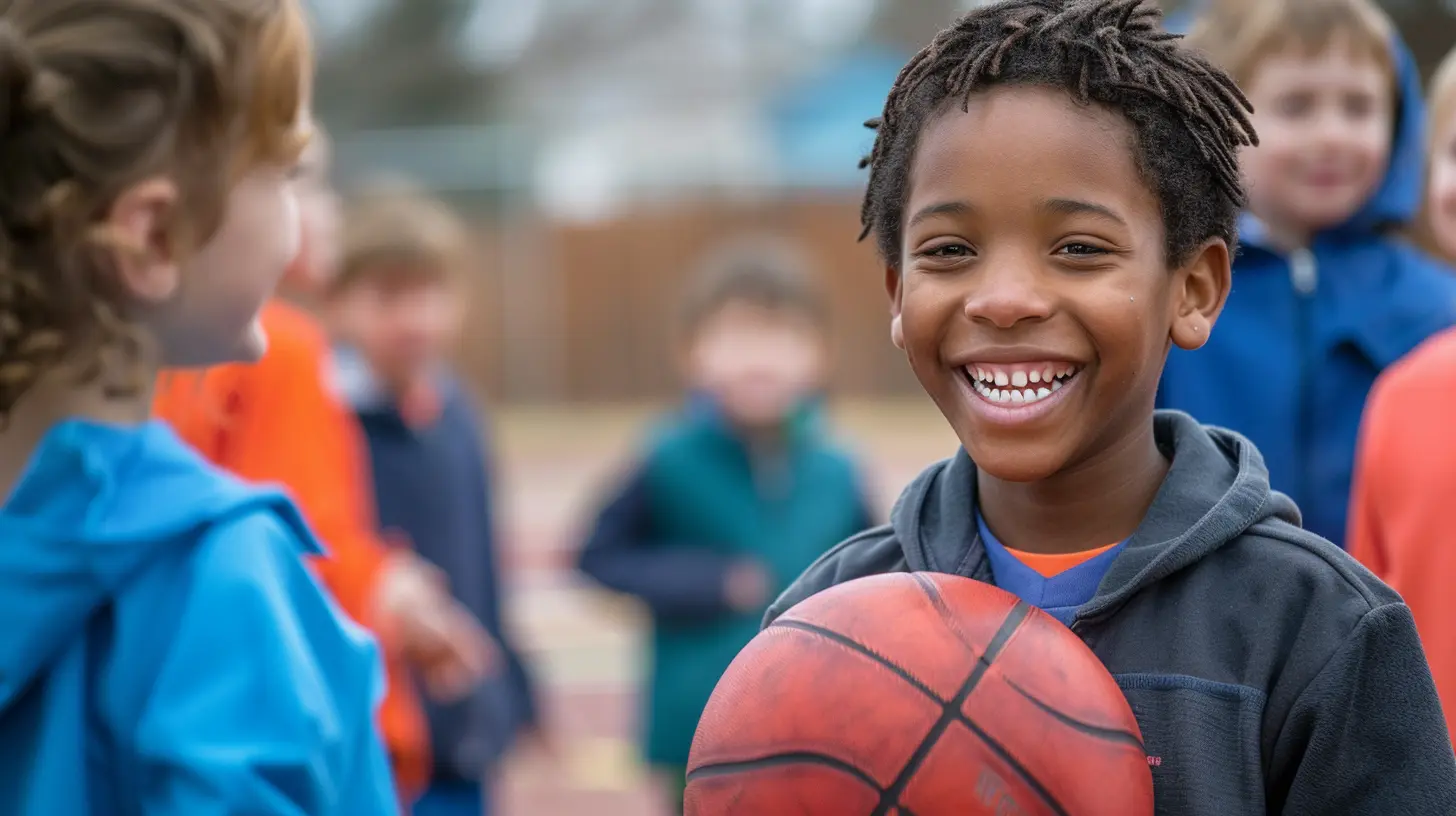
How PE Builds Cooperation
Just like conflict resolution, teamwork and cooperation are fundamental life skills. And guess what? PE provides the perfect environment for strengthening these skills.Why Cooperation Matters
In life, teamwork is everywhere—from working on group projects in school to collaborating with colleagues in the workplace. Being able to work well with others is often the key to success. PE helps students:- Understand team dynamics
- Communicate effectively
- Appreciate different roles within a team
- Support and motivate each other
Activities That Promote Cooperation in PE
Now, let’s talk about the fun part—activities that naturally foster teamwork and cooperation. Here are some tried-and-tested PE games that emphasize working together:1. Trust Walk (Blindfold Game)
Pair up students and have one wear a blindfold while their partner guides them through an obstacle course. This activity builds trust, communication, and teamwork.2. Human Knot
Students stand in a circle, grab hands across the group, and then work together to untangle themselves without letting go. It’s a fantastic way to boost teamwork and patience.3. Relay Races
Classic relay races require students to rely on their teammates. They reinforce coordination, encouragement, and mutual support.4. Parachute Games
These activities require students to move in sync, follow instructions, and work as a collective group to achieve goals like making the parachute “wave” or bounce a ball into the air.5. Team-Based Problem-Solving Challenges
Set up team challenges like “cross the river” (where students must cross an area using limited stepping stones without touching the ground). These require strategy, cooperation, and leadership.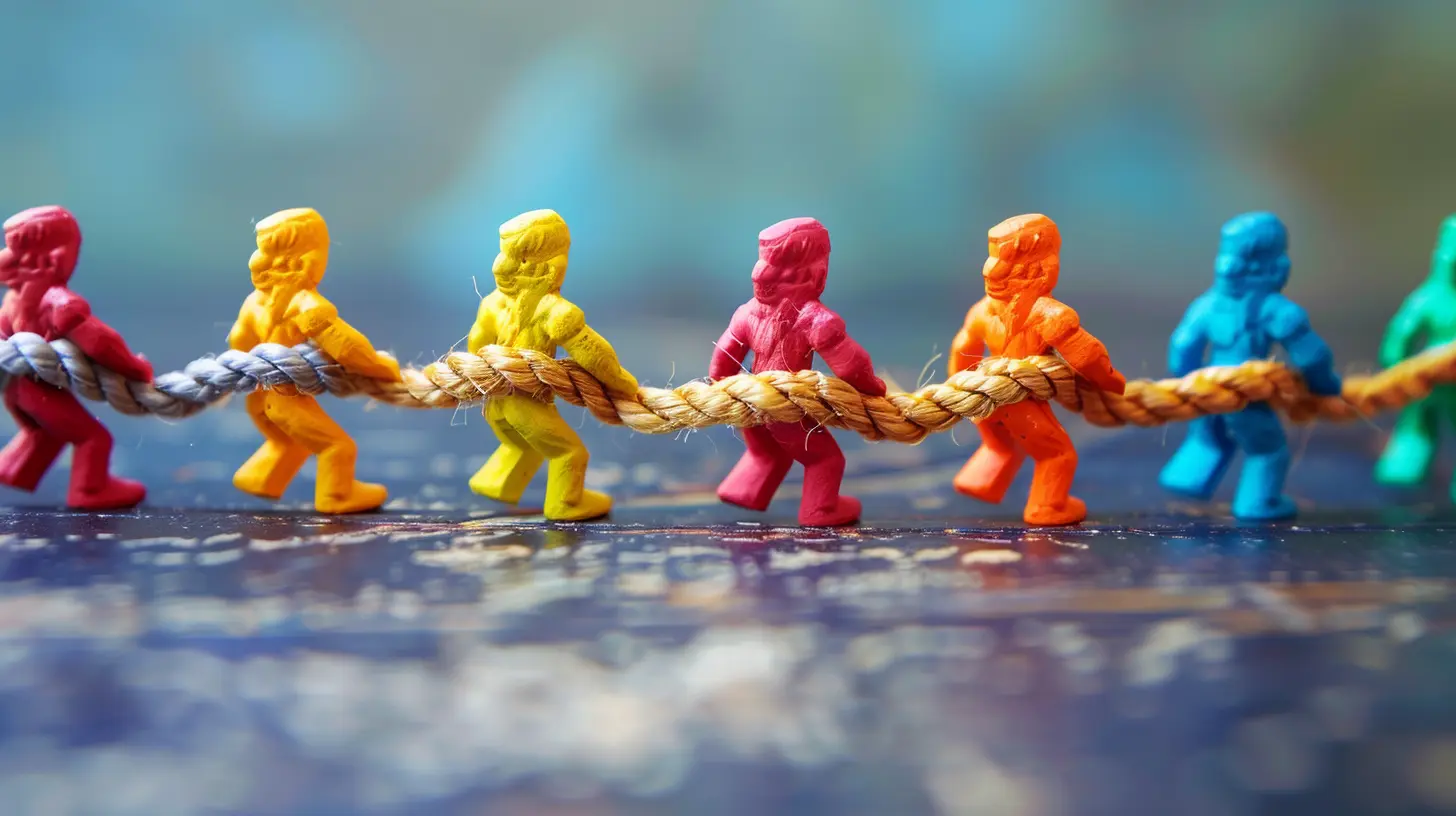
How Teachers Can Reinforce These Lessons
PE teachers play a crucial role in reinforcing the values of teamwork and cooperation. Here are some ways educators can maximize these learning opportunities:1. Set Clear Expectations
At the beginning of class, set clear guidelines about respect, communication, and good sportsmanship. Make it clear that teamwork is just as important as winning.2. Model Positive Behavior
Kids learn by example. If a teacher demonstrates patience, fairness, and good conflict-resolution skills, students are more likely to adopt the same behavior.3. Use Reflection Sessions
At the end of the class, take a few minutes for a group discussion. Ask students to reflect on questions like:- “What worked well as a team?”
- “How did we handle disagreements?”
- “How can we improve next time?”
4. Recognize and Reward Teamwork
Instead of just praising the best athletes, celebrate students who show excellent teamwork, encouragement, and problem-solving skills. Recognizing these behaviors reinforces their importance.The Impact of Teaching Conflict Resolution and Cooperation in PE
What happens when we deliberately teach kids how to resolve conflicts and work together? The benefits extend far beyond the gym:- Better Social Skills: Students learn how to interact positively with peers.
- Stronger Emotional Intelligence: They develop self-awareness, empathy, and regulation.
- Improved Classroom Behavior: These skills translate into smoother interactions in the classroom.
- A More Inclusive Environment: Cooperation ensures that every student feels included and valued.
- Preparation for the Future: Whether in college, the workplace, or personal relationships, these skills will always be essential.
Final Thoughts
Physical Education is more than just a break from academics—it’s a golden opportunity to shape how students interact with each other and navigate real-life situations. By using PE to teach conflict resolution and cooperation, educators can equip students with lifelong skills that extend beyond sports and into everyday life.So next time you're on the field or in the gym, remember: every game, every challenge, and every team activity is a chance to teach kids how to work together, communicate, and resolve conflicts in a positive way.
all images in this post were generated using AI tools
Category:
Physical EducationAuthor:

Olivia Lewis
Discussion
rate this article
2 comments
Bella Rodriguez
I love how physical education can extend beyond just fitness! Teaching kids to navigate conflicts and work together through games is such a valuable life skill. It's amazing how teamwork on the field translates into better communication and cooperation off the field too. Great insights!
April 10, 2026 at 4:46 AM
Olivia Lewis
Thanks for your insights! Teamwork in PE really does shape skills that last a lifetime. It's exciting to see how these lessons play out beyond the games.
Daria McVey
This article effectively highlights the value of physical education (PE) as a dynamic platform for teaching critical life skills such as conflict resolution and cooperation. By integrating these lessons into PE, educators can foster teamwork and resilience, essential traits for student development.
April 8, 2026 at 3:52 AM
Olivia Lewis
Thank you for your insightful comment! I appreciate your recognition of PE as a valuable platform for teaching essential life skills.